


Hey there! As a supplier of AlNiCo magnets, I often get asked about how to test the performance of these awesome magnets. AlNiCo magnets are known for their high magnetic strength and excellent temperature stability, making them a popular choice in a wide range of applications from electric motors to musical instruments. So, let's dive into the methods of testing their performance.
1. Measuring Magnetic Field Strength
One of the most basic and crucial tests for AlNiCo magnets is measuring their magnetic field strength. You can use a gaussmeter for this purpose. A gaussmeter is a device that measures the magnetic flux density in gauss or tesla.
To measure the magnetic field strength of an AlNiCo magnet, first, make sure the gaussmeter is properly calibrated. Then, place the probe of the gaussmeter close to the surface of the magnet. The reading on the gaussmeter will give you an idea of the magnetic field strength at that point. Remember, the magnetic field strength can vary depending on where you measure it on the magnet. Usually, the poles of the magnet have the highest magnetic field strength.
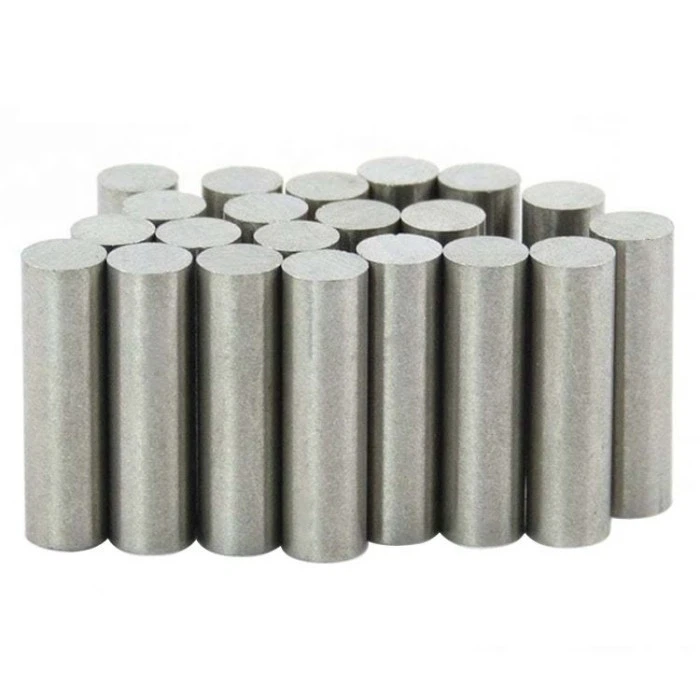
It's important to note that the magnetic field strength can be affected by factors such as the size and shape of the magnet. For example, an Alnico Bar Magnet may have a different magnetic field distribution compared to an Alnico Rod Magnet.
2. Testing Coercivity
Coercivity is another important parameter when it comes to AlNiCo magnets. It refers to the ability of the magnet to resist demagnetization. A magnet with high coercivity is less likely to lose its magnetic properties when exposed to external magnetic fields or other demagnetizing factors.
To test the coercivity of an AlNiCo magnet, you can use a hysteresisgraph. This device measures the relationship between the magnetic field applied to the magnet and the resulting magnetization. By applying a gradually increasing magnetic field in the opposite direction of the magnet's magnetization, you can determine the point at which the magnet's magnetization drops to zero. This point is known as the coercive force.

A high coercivity value indicates that the AlNiCo magnet is more stable and less prone to demagnetization. This is especially important in applications where the magnet will be exposed to varying magnetic fields or mechanical stresses.
3. Assessing Remanence
Remanence, also known as residual magnetization, is the magnetic field that remains in the magnet after the external magnetic field is removed. It is a measure of the magnet's ability to retain its magnetization.
To measure the remanence of an AlNiCo magnet, you can use a fluxmeter. First, magnetize the magnet to its saturation point using a strong external magnetic field. Then, remove the external magnetic field and measure the remaining magnetic flux using the fluxmeter. The value obtained is the remanence of the magnet.
A high remanence value means that the magnet can produce a strong magnetic field even without an external magnetic field. This is beneficial in applications where a constant magnetic field is required, such as in magnetic sensors or holding devices.
4. Temperature Testing
AlNiCo magnets are known for their good temperature stability, but it's still important to test their performance at different temperatures. Temperature can have a significant impact on the magnetic properties of the magnet.
You can use a temperature-controlled chamber to test the magnet's performance at various temperatures. Place the magnet inside the chamber and gradually increase or decrease the temperature. At each temperature point, measure the magnetic field strength, coercivity, and remanence using the methods described above.
As the temperature increases, the magnetic field strength and remanence of the AlNiCo magnet may decrease slightly. However, compared to other types of magnets, AlNiCo magnets generally have a relatively small change in magnetic properties over a wide temperature range. This makes them suitable for applications in high-temperature environments, such as in some industrial motors or aerospace components.
5. Mechanical Testing
In addition to the magnetic properties, the mechanical properties of AlNiCo magnets also need to be tested. These magnets can be brittle, so it's important to ensure they can withstand the mechanical stresses in the intended application.
You can perform a simple hardness test using a hardness tester. This will give you an idea of the magnet's resistance to indentation or scratching. A harder magnet is generally more durable and less likely to break or chip.
Another important mechanical test is the impact test. You can use a pendulum impact tester to subject the magnet to a controlled impact. Observe whether the magnet cracks or breaks under the impact. This test helps to evaluate the magnet's toughness and its ability to withstand sudden shocks.
6. Chemical Analysis
Finally, it's a good idea to perform a chemical analysis of the AlNiCo magnet. This can help you ensure that the magnet has the correct chemical composition, which directly affects its magnetic properties.
You can use techniques such as X-ray fluorescence (XRF) or inductively coupled plasma mass spectrometry (ICP-MS) to analyze the elemental composition of the magnet. These methods can accurately determine the amounts of aluminum, nickel, cobalt, and other elements in the magnet.
A proper chemical composition is essential for achieving the desired magnetic performance. Any deviation from the standard composition can lead to a decrease in magnetic strength, coercivity, or other important properties.
Why Choose Our AlNiCo Magnets?
At our company, we take pride in providing high-quality AlNiCo magnets. We use state-of-the-art manufacturing processes and rigorous testing procedures to ensure that our magnets meet the highest standards.
Our Alnico Ring Magnet, for example, is carefully crafted to have excellent magnetic properties and mechanical stability. Whether you need a magnet for a small electronic device or a large industrial application, we have the right solution for you.
If you're interested in purchasing AlNiCo magnets for your project, we'd love to have a chat with you. We can discuss your specific requirements and provide you with the best products at competitive prices. Contact us today to start the conversation!
References
- "Magnetism and Magnetic Materials" by David Jiles.
- "Handbook of Magnetic Materials" edited by Klaus H. J. Buschow.


