


Yo, folks! As a supplier of Alnico Rod Magnets, I've been getting tons of questions about how these bad boys can affect electronic components. So, I thought I'd break it down for you in this blog.
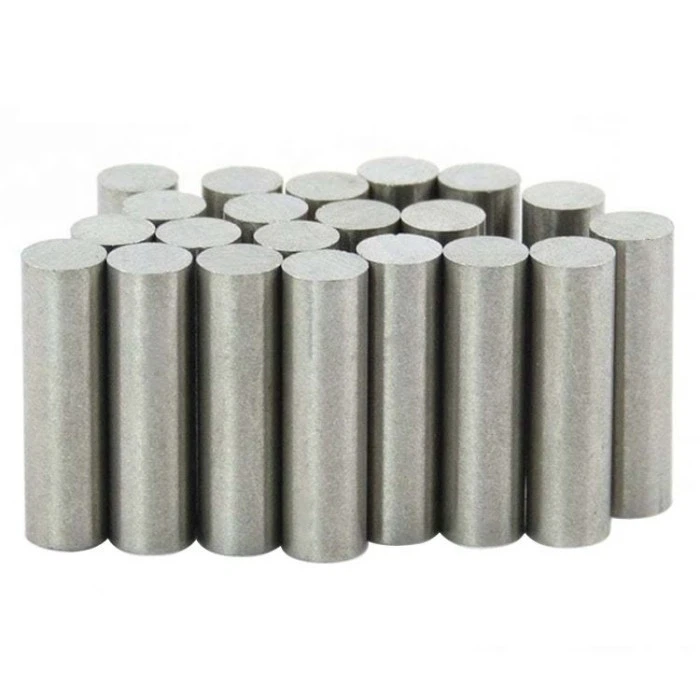

First off, let's talk a bit about what Alnico Rod Magnets are. Alnico is an alloy made up of aluminum, nickel, and cobalt, and it's known for its strong magnetic properties. The rod-shaped magnets are pretty common and are used in a variety of applications. If you want to learn more about them, check out this Alnico Rod Magnet page.
Now, the magnetic field of an Alnico Rod Magnet can have some interesting effects on electronic components. One of the most common things you'll notice is interference. Electronic devices rely on precise electrical signals to function properly. When a strong magnetic field from an Alnico Rod Magnet gets too close, it can mess with these signals.
For example, in a computer hard drive, there are tiny magnetic particles that store data. The magnetic field of the Alnico Rod Magnet can potentially re - arrange these particles, causing data loss or corruption. This is why it's super important to keep magnets away from hard drives.
Another area where the magnetic field can cause issues is in electronic displays. CRT (cathode - ray tube) displays, which were more common in the past, are particularly sensitive. The magnetic field can deflect the electron beams inside the CRT, leading to color distortion and blurry images. Even some modern LCD and OLED displays can be affected to a lesser extent, as they have small magnetic components in their backlighting systems.
But it's not all bad news. In some cases, the magnetic field of an Alnico Rod Magnet can be used to an advantage. For instance, in electric motors, the magnetic field interacts with the current - carrying coils to produce mechanical motion. Alnico Rod Magnets are often used in small motors because of their strong and stable magnetic fields.
Let's also talk about how the distance between the Alnico Rod Magnet and the electronic component matters. The strength of the magnetic field follows an inverse - square law. This means that as you double the distance between the magnet and the component, the magnetic field strength decreases by a factor of four. So, if you're worried about interference, simply moving the magnet a bit further away can make a big difference.
Now, if you're thinking about using Alnico Rod Magnets in your projects, there are some things to keep in mind. First, make sure to test the magnet's effect on your specific electronic components. You can do this by gradually bringing the magnet closer to the component and observing any changes in its performance.
Also, consider the orientation of the magnet. The magnetic field is strongest at the poles of the Alnico Rod Magnet. So, if you position the magnet in a way that the poles are not directly facing the sensitive parts of the electronic component, you can reduce the interference.
If you're looking for other types of Alnico magnets, we also offer Alnico Ring Magnet and Alnico Bar Magnet. These magnets have different magnetic field distributions and can be used in different applications.
In conclusion, the magnetic field of an Alnico Rod Magnet can have both positive and negative effects on electronic components. It's all about understanding how the magnetic field works and taking the right precautions. Whether you're using these magnets for a DIY project or in a large - scale industrial application, it's important to handle them with care.
If you're interested in purchasing Alnico Rod Magnets or have any questions about how they can be used in your specific situation, don't hesitate to reach out. We're here to help you make the most of these powerful magnets.
References
- "Magnetism and Its Applications" by David Jiles
- "Introduction to Electronic Devices" by Thomas Floyd


