


Hey there! As a supplier of Samarium Cobalt Magnets, I often get asked about their chemical stability. So, let's dive right into it and explore what makes these magnets so special in terms of their chemical properties.
First off, what are Samarium Cobalt Magnets? Well, they're a type of rare - earth magnet made from an alloy of samarium and cobalt. They've been around since the 1970s and are known for their high magnetic strength, excellent temperature stability, and resistance to demagnetization. But when it comes to chemical stability, there's a lot more to the story.
Chemical Composition and Its Impact on Stability
Samarium Cobalt Magnets typically come in two main types: SmCo5 and Sm2Co17. The SmCo5 magnets are made up of one part samarium and five parts cobalt. This simple yet powerful combination gives them a good balance of magnetic properties and chemical stability. On the other hand, Sm2Co17 magnets, with two parts samarium and seventeen parts cobalt, often have additional elements like iron, copper, and zirconium added to enhance their magnetic performance.
The cobalt in these magnets plays a crucial role in their chemical stability. Cobalt is a transition metal that forms strong metallic bonds. These bonds are quite resistant to chemical reactions, which means that the magnet is less likely to react with other substances in its environment. Samarium, although a rare - earth element, also contributes to the overall stability. It forms stable compounds with cobalt, creating a robust crystal structure that holds the magnet together.
Resistance to Oxidation
One of the key aspects of chemical stability is resistance to oxidation. Oxidation is a chemical reaction that occurs when a metal reacts with oxygen in the air, forming metal oxides. For many magnets, oxidation can lead to a loss of magnetic strength and structural integrity.
Samarium Cobalt Magnets are quite resistant to oxidation compared to other types of magnets, like neodymium magnets. The cobalt in the alloy forms a thin oxide layer on the surface of the magnet when exposed to air. This oxide layer acts as a protective barrier, preventing further oxidation from occurring. However, this doesn't mean that they're completely immune to oxidation. In high - humidity environments or in the presence of certain chemicals, the oxidation process can still occur at a slower rate.
Corrosion Resistance
Corrosion is another factor that affects the chemical stability of magnets. Corrosion can be caused by exposure to moisture, acids, or alkalis. Samarium Cobalt Magnets have good corrosion resistance, but again, it depends on the environment they're in.
In a normal, dry environment, these magnets can last for a long time without significant corrosion. But if they're exposed to acidic or alkaline solutions, the protective oxide layer can be damaged, and corrosion can start. For example, in a marine environment where there's saltwater, the chloride ions in the water can react with the magnet's surface, leading to pitting corrosion.
Impact of Temperature on Chemical Stability
Temperature also has an impact on the chemical stability of Samarium Cobalt Magnets. These magnets are known for their excellent temperature stability, which also ties into their chemical stability. At high temperatures, the rate of chemical reactions generally increases. However, Samarium Cobalt Magnets can withstand relatively high temperatures without significant degradation of their chemical properties.
The crystal structure of these magnets remains stable at elevated temperatures, which means that the chemical bonds within the magnet are not easily broken. This is why they're often used in applications where high - temperature performance is required, such as in aerospace and automotive industries.
Applications and Chemical Stability
The chemical stability of Samarium Cobalt Magnets makes them suitable for a wide range of applications. In the aerospace industry, where components are exposed to harsh environmental conditions, these magnets can maintain their performance over time. Their resistance to oxidation and corrosion means that they can be used in aircraft engines, navigation systems, and other critical components.
In the medical field, Samarium Cobalt Magnets are used in MRI machines. The chemical stability ensures that the magnets don't react with the body's fluids or the surrounding environment, providing a reliable and safe magnetic field for imaging.
If you're interested in different shapes of Samarium Cobalt Magnets, we offer a variety of options. Check out our Samarium Cobalt Disc Magnet, SmCo Arc Magnet, and Smco Ring Magnet.
Maintaining Chemical Stability
To ensure the long - term chemical stability of Samarium Cobalt Magnets, proper handling and storage are essential. When handling these magnets, it's important to avoid scratching the surface, as this can damage the protective oxide layer. If the magnets are to be used in a harsh environment, they can be coated with a protective layer, such as nickel or epoxy, to further enhance their corrosion resistance.
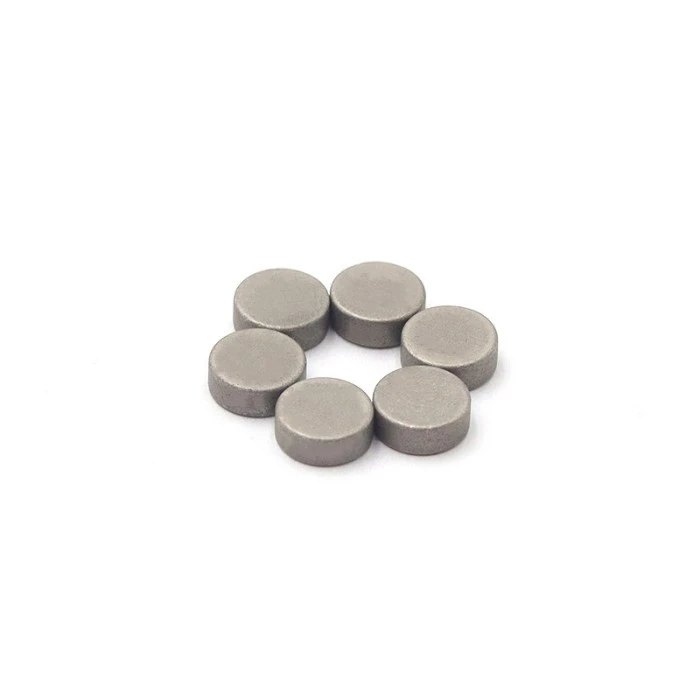
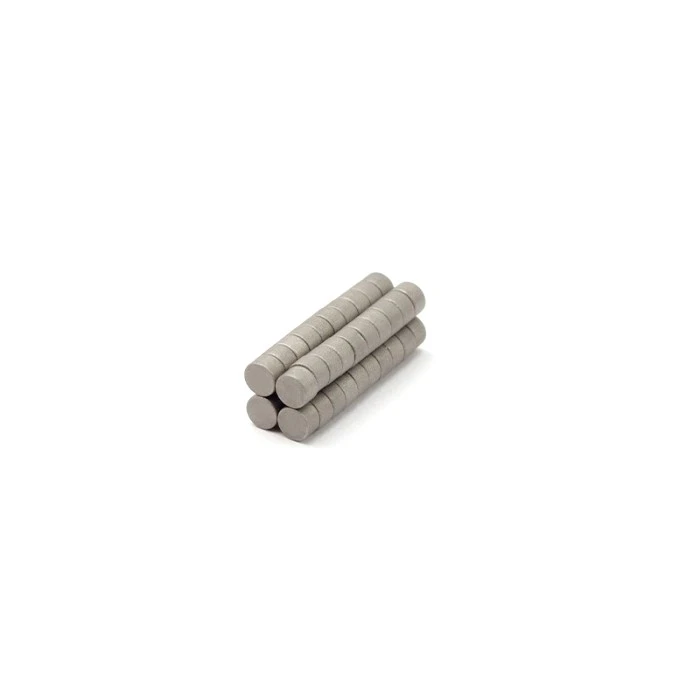
Storage conditions also matter. Magnets should be stored in a dry, cool place away from chemicals and moisture. If they're stored for a long time, it's a good idea to check them periodically for any signs of oxidation or corrosion.
Conclusion
In conclusion, Samarium Cobalt Magnets have excellent chemical stability due to their unique chemical composition and crystal structure. Their resistance to oxidation, corrosion, and the ability to withstand high temperatures make them a top choice for many demanding applications.
If you're in the market for high - quality Samarium Cobalt Magnets and want to learn more about how their chemical stability can benefit your specific application, don't hesitate to reach out. We're here to help you find the right magnets for your needs and answer any questions you might have. Whether you're working on a small - scale project or a large - scale industrial application, our Samarium Cobalt Magnets can provide the performance and reliability you're looking for.
References
- "Rare - Earth Permanent Magnets: Basic Concepts and Practical Applications" by Karl - Heinz Müller and Manfred Wecker.
- "Magnetism and Magnetic Materials" by David Jiles.


