


Magnetic coupling is a fascinating technology that has revolutionized various industrial applications. As a supplier of magnetic coupling products, I have witnessed firsthand the remarkable capabilities and benefits that this technology offers. In this blog post, I will delve into the concept of magnetic coupling, its working principles, applications, and the advantages it brings to different industries.
What is Magnetic Coupling?
Magnetic coupling is a method of transferring torque between two rotating shafts without the need for a physical mechanical connection. Instead of using traditional couplings that rely on direct contact, magnetic couplings utilize the magnetic fields generated by permanent magnets to transmit power. This non-contact transmission mechanism offers several advantages over conventional couplings, including reduced wear and tear, improved reliability, and enhanced safety.
Working Principles of Magnetic Coupling
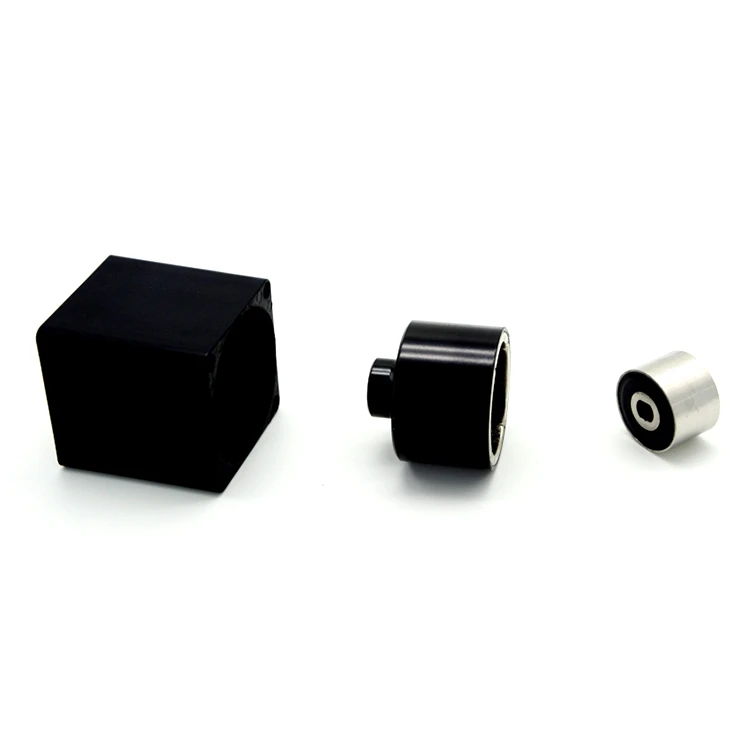
The basic principle behind magnetic coupling is the interaction between magnetic fields. A magnetic coupling typically consists of two main components: a driving magnet assembly and a driven magnet assembly. The driving magnet assembly is connected to the power source, such as an electric motor, while the driven magnet assembly is connected to the load, such as a pump or a compressor.
The magnets in the driving assembly create a magnetic field that interacts with the magnets in the driven assembly. When the driving magnet assembly rotates, the magnetic field it generates induces a corresponding rotation in the driven magnet assembly. This transfer of torque occurs without any physical contact between the two assemblies, eliminating the need for lubrication and reducing the risk of mechanical failure.
There are different types of magnetic couplings, including Permanent Neodymium Magnetic Drive Coupling, Magnetic Coupling Drive, and Permanent Magnetic Coupling. Each type has its own unique design and characteristics, making them suitable for specific applications.
Applications of Magnetic Coupling
Magnetic coupling technology has a wide range of applications across various industries. Some of the common applications include:
Chemical and Pharmaceutical Industries
In the chemical and pharmaceutical industries, magnetic couplings are used in pumps and mixers to handle hazardous and corrosive fluids. The non-contact design of magnetic couplings eliminates the risk of leakage, ensuring the safety of the operators and the environment. Additionally, magnetic couplings can operate in high-temperature and high-pressure environments, making them suitable for demanding chemical processes.
Food and Beverage Industries
In the food and beverage industries, magnetic couplings are used in pumps and agitators to ensure hygienic and contamination-free operations. The non-contact design of magnetic couplings prevents the transfer of contaminants from the driving shaft to the driven shaft, ensuring the quality and safety of the products. Magnetic couplings are also easy to clean and maintain, making them ideal for food and beverage applications.
Oil and Gas Industries
In the oil and gas industries, magnetic couplings are used in pumps, compressors, and other rotating equipment to improve efficiency and reliability. The non-contact design of magnetic couplings reduces friction and wear, resulting in lower energy consumption and longer equipment life. Magnetic couplings can also operate in harsh environments, such as offshore platforms and refineries, where reliability is crucial.
Renewable Energy Industries
In the renewable energy industries, magnetic couplings are used in wind turbines and solar power systems to transfer torque and power. The non-contact design of magnetic couplings eliminates the need for mechanical gears, reducing maintenance requirements and improving the efficiency of the renewable energy systems. Magnetic couplings can also operate in high-speed and high-torque applications, making them suitable for large-scale renewable energy projects.
Advantages of Magnetic Coupling
Magnetic coupling technology offers several advantages over traditional coupling methods. Some of the key advantages include:

Reduced Wear and Tear
Since magnetic couplings do not require physical contact between the driving and driven shafts, there is no friction or wear. This results in longer equipment life and reduced maintenance requirements. Additionally, the non-contact design eliminates the need for lubrication, further reducing the risk of contamination and mechanical failure.
Improved Reliability
Magnetic couplings are highly reliable and can operate in harsh environments. The non-contact design eliminates the risk of mechanical failure due to misalignment, vibration, or shock. Additionally, magnetic couplings can withstand high temperatures and pressures, making them suitable for demanding applications.
Enhanced Safety
Magnetic couplings offer enhanced safety features compared to traditional couplings. The non-contact design eliminates the risk of leakage, which is particularly important in applications where hazardous or corrosive fluids are involved. Additionally, magnetic couplings can operate in explosive environments without the risk of sparking or ignition.
Energy Efficiency
Magnetic couplings are more energy-efficient than traditional couplings. The non-contact design reduces friction and wear, resulting in lower energy consumption. Additionally, magnetic couplings can operate at higher speeds and torques, allowing for more efficient power transfer.
Conclusion
Magnetic coupling is a revolutionary technology that offers numerous benefits in various industrial applications. As a supplier of magnetic coupling products, I am proud to offer high-quality and reliable magnetic couplings that meet the needs of our customers. Whether you are in the chemical, pharmaceutical, food and beverage, oil and gas, or renewable energy industries, magnetic coupling technology can provide you with a cost-effective and efficient solution for your power transmission needs.
If you are interested in learning more about our magnetic coupling products or would like to discuss your specific requirements, please do not hesitate to contact us. Our team of experts is ready to assist you in finding the right magnetic coupling solution for your application. We look forward to the opportunity to work with you and help you achieve your goals.
References
- "Magnetic Coupling Basics," Magnetic Components & Applications, 2023.
- "Advantages of Magnetic Couplings in Industrial Applications," Industrial Engineering Journal, 2022.
- "Magnetic Coupling Technology for Renewable Energy Systems," Renewable Energy Magazine, 2021.


