


As a supplier of Alnico bar magnets, I've witnessed firsthand the incredible potential these magnets hold in a wide array of applications. Alnico, an alloy composed primarily of aluminum (Al), nickel (Ni), and cobalt (Co), is renowned for its high coercivity, excellent temperature stability, and strong magnetic properties. In this blog post, I'll share some insights on how to optimize the performance of an Alnico bar magnet in a specific application.
Understanding the Basics of Alnico Bar Magnets
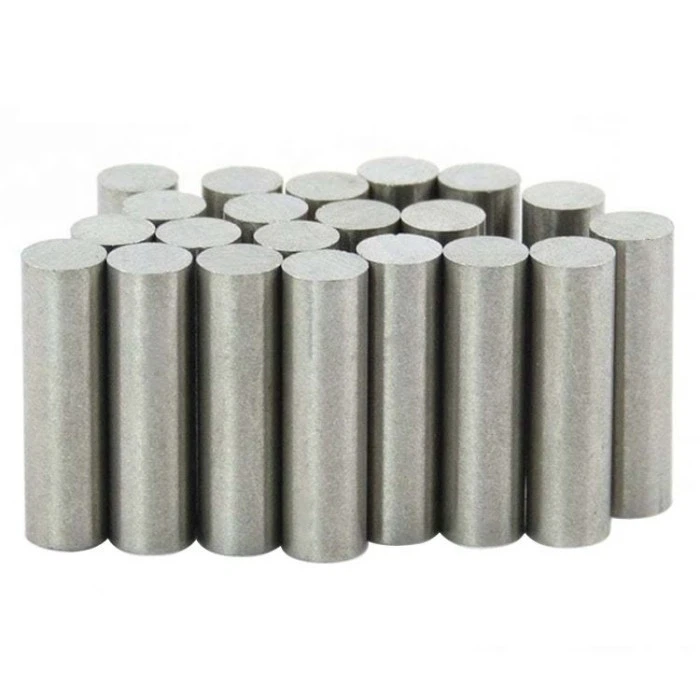
Before delving into optimization strategies, it's essential to understand the fundamental characteristics of Alnico bar magnets. These magnets are available in various shapes and sizes, including Alnico Rod Magnet, Alnico Bar Magnet, and Alnico Ring Magnet. Their magnetic properties can be tailored through specific manufacturing processes, such as casting or sintering.
Casting is a common method for producing Alnico magnets, which involves melting the alloy and pouring it into a mold. This process allows for the creation of complex shapes and large-sized magnets. Sintering, on the other hand, involves compacting the alloy powder and then heating it to a high temperature to form a solid magnet. Sintered Alnico magnets generally have higher density and better mechanical properties.
Selecting the Right Grade of Alnico
The performance of an Alnico bar magnet is significantly influenced by its grade. Different grades of Alnico have varying magnetic properties, such as remanence (Br), coercivity (Hc), and energy product (BH)max. When selecting a grade for a specific application, it's crucial to consider the required magnetic strength, temperature stability, and resistance to demagnetization.
For applications that require high magnetic strength at room temperature, grades such as Alnico 5 or Alnico 8 are often preferred. These grades have relatively high remanence values, which means they can produce a strong magnetic field. However, if the application involves high temperatures, grades with better temperature stability, such as Alnico 2 or Alnico 3, may be more suitable.

Designing the Magnet for the Application
Proper design is key to optimizing the performance of an Alnico bar magnet in a specific application. The shape, size, and orientation of the magnet can all affect its magnetic field distribution and overall performance.
- Shape: The shape of the magnet can be tailored to the specific requirements of the application. For example, a bar magnet is commonly used in applications where a linear magnetic field is needed, such as in magnetic separators or sensors. A ring magnet, on the other hand, is suitable for applications that require a radial magnetic field, such as in electric motors or generators.
- Size: The size of the magnet also plays an important role in its performance. Generally, larger magnets can produce a stronger magnetic field. However, it's important to balance the size with the available space and the cost of the magnet. In some cases, using multiple smaller magnets instead of a single large magnet may be a more cost-effective solution.
- Orientation: The orientation of the magnet's magnetic poles can significantly affect its performance. In most applications, it's important to ensure that the magnet is properly oriented to produce the desired magnetic field. For example, in a magnetic circuit, the magnet should be oriented in such a way that the magnetic flux lines flow through the circuit in the most efficient manner.
Controlling the Operating Environment
The operating environment can have a significant impact on the performance of an Alnico bar magnet. Factors such as temperature, humidity, and mechanical stress can all affect the magnet's magnetic properties.
- Temperature: Alnico magnets have relatively good temperature stability compared to other types of magnets. However, extreme temperatures can still cause a decrease in magnetic strength. To minimize the effect of temperature on the magnet's performance, it's important to operate the magnet within its recommended temperature range. In applications where high temperatures are expected, additional cooling or insulation measures may be necessary.
- Humidity: Humidity can cause corrosion of the magnet's surface, which can lead to a decrease in magnetic strength and mechanical integrity. To prevent corrosion, it's important to protect the magnet from moisture. This can be achieved by coating the magnet with a protective layer, such as epoxy or nickel plating.
- Mechanical Stress: Mechanical stress can also affect the performance of an Alnico bar magnet. Excessive stress can cause the magnet to crack or break, which can lead to a significant decrease in magnetic strength. To minimize the effect of mechanical stress, it's important to ensure that the magnet is properly mounted and supported.
Testing and Quality Control
Testing and quality control are essential steps in optimizing the performance of an Alnico bar magnet. Before using the magnet in a specific application, it's important to test its magnetic properties to ensure that they meet the required specifications.
- Magnetic Testing: Magnetic testing involves measuring the magnet's remanence, coercivity, and energy product. These measurements can be performed using specialized equipment, such as a gaussmeter or a magnetometer. By comparing the measured values with the expected values, it's possible to determine if the magnet is performing as expected.
- Visual Inspection: Visual inspection is also an important part of quality control. By visually inspecting the magnet, it's possible to detect any surface defects, such as cracks or chips, which can affect its performance. In addition, visual inspection can also help to ensure that the magnet has the correct shape and size.
Conclusion
Optimizing the performance of an Alnico bar magnet in a specific application requires a comprehensive approach that takes into account the selection of the right grade, proper design, control of the operating environment, and testing and quality control. By following these guidelines, it's possible to ensure that the magnet performs at its best and meets the specific requirements of the application.
If you're interested in learning more about Alnico bar magnets or have any questions about optimizing their performance in your application, please feel free to contact us. We're a leading supplier of Alnico bar magnets and have extensive experience in providing high-quality magnets for a wide range of applications. Our team of experts can help you select the right grade of magnet, design the magnet for your specific application, and provide you with the necessary testing and quality control services. Contact us today to start a discussion about your requirements.
References
- Campbell, J. E. (1994). Permanent Magnet Materials and Their Applications. Cambridge University Press.
- Hadjipanayis, G. C., & Kim, D. (2014). Handbook of Magnetic Materials. Elsevier.
- O'Handley, R. C. (2000). Modern Magnetic Materials: Principles and Applications. Wiley-IEEE Press.


