


In the realm of magnetic applications, the choice of magnet material plays a pivotal role in determining the effectiveness and efficiency of a magnetic device. One such device that has gained significant attention is the magnetic lock, a crucial component in security systems. As a leading supplier of Alnico Disc Magnet, I often encounter inquiries regarding the suitability of Alnico disc magnets for use in magnetic locks. In this blog post, I will delve into the properties of Alnico disc magnets, explore the requirements of magnetic locks, and analyze whether Alnico disc magnets can indeed be used in magnetic locks.
Understanding Alnico Disc Magnets
Alnico is an acronym for aluminum (Al), nickel (Ni), and cobalt (Co), the primary elements that make up this magnetic alloy. Alnico magnets are known for their high residual induction, excellent temperature stability, and strong resistance to demagnetization. These properties are a result of the unique crystal structure and magnetic domain alignment achieved during the manufacturing process.
Alnico disc magnets, in particular, are flat, circular magnets with a diameter greater than their thickness. They are available in various sizes and grades, allowing for a wide range of applications. The manufacturing process of Alnico disc magnets involves casting or sintering, with each method offering distinct advantages. Cast Alnico magnets are typically used for larger sizes and complex shapes, while sintered Alnico magnets are preferred for smaller sizes and applications requiring higher precision.

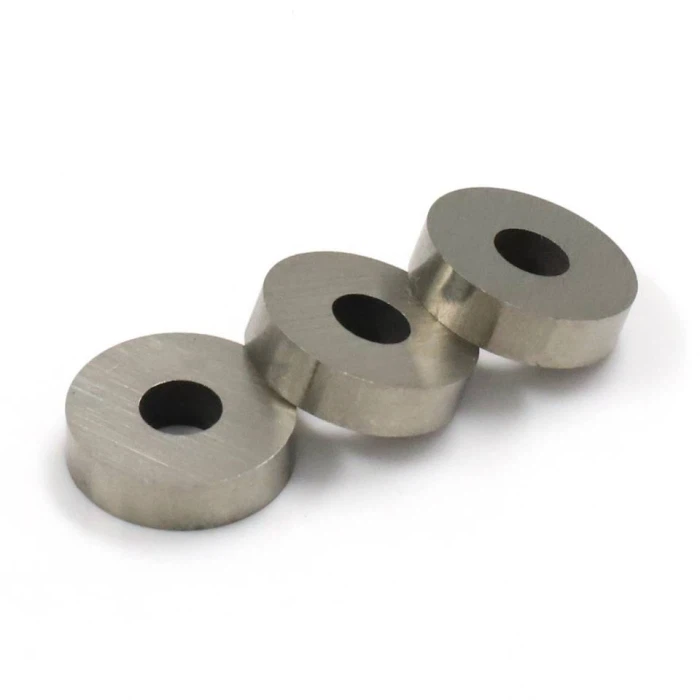
One of the key features of Alnico disc magnets is their high coercivity, which refers to the ability of a magnet to resist demagnetization. This property makes Alnico disc magnets suitable for applications where the magnetic field needs to remain stable over time. Additionally, Alnico disc magnets have a relatively high Curie temperature, which is the temperature at which a magnet loses its magnetic properties. This means that Alnico disc magnets can maintain their magnetic strength even at elevated temperatures, making them suitable for use in high-temperature environments.
Requirements of Magnetic Locks
Magnetic locks, also known as electromagnetic locks or maglocks, are used to secure doors and gates in a variety of settings, including commercial buildings, residential properties, and industrial facilities. The basic principle behind a magnetic lock is the use of an electromagnet to create a strong magnetic field that holds the door or gate in place. When the power is turned off, the magnetic field is released, allowing the door or gate to be opened.
The effectiveness of a magnetic lock depends on several factors, including the strength of the magnetic field, the holding force, and the reliability of the locking mechanism. The strength of the magnetic field is determined by the number of turns in the electromagnet coil and the amount of current flowing through it. The holding force, on the other hand, is the force required to separate the door or gate from the magnetic lock. This force is typically measured in pounds or kilograms and is an important consideration when selecting a magnetic lock for a specific application.
In addition to the strength of the magnetic field and the holding force, the reliability of the locking mechanism is also crucial. Magnetic locks are often used in security applications, where the failure of the locking mechanism can have serious consequences. Therefore, it is important to choose a magnetic lock that is designed to be reliable and durable, with features such as overcurrent protection, short-circuit protection, and automatic unlocking in the event of a power failure.
Can Alnico Disc Magnets Be Used in Magnetic Locks?
Now that we have a better understanding of Alnico disc magnets and the requirements of magnetic locks, let's explore whether Alnico disc magnets can be used in magnetic locks.
One of the main advantages of using Alnico disc magnets in magnetic locks is their high coercivity and temperature stability. These properties ensure that the magnetic field remains stable over time, even in harsh environments. This is particularly important for magnetic locks, as any loss of magnetic strength can compromise the security of the door or gate.
Another advantage of using Alnico disc magnets in magnetic locks is their relatively high magnetic strength. Alnico disc magnets can generate a strong magnetic field, which can provide a high holding force. This means that Alnico disc magnets can be used to secure heavy doors and gates, making them suitable for use in industrial and commercial applications.
However, there are also some limitations to using Alnico disc magnets in magnetic locks. One of the main limitations is the cost. Alnico disc magnets are typically more expensive than other types of magnets, such as ferrite magnets or neodymium magnets. This can make them less cost-effective for some applications, especially those with a large number of magnetic locks.
Another limitation is the weight. Alnico disc magnets are relatively heavy compared to other types of magnets, which can make them more difficult to install and handle. This can be a significant drawback for applications where weight is a concern, such as in portable or lightweight magnetic locks.
Applications of Alnico Disc Magnets in Magnetic Locks
Despite the limitations, there are several applications where Alnico disc magnets can be used effectively in magnetic locks. One such application is in high-security environments, where the reliability and stability of the magnetic lock are of utmost importance. Alnico disc magnets can provide a strong and stable magnetic field, ensuring that the door or gate remains securely locked at all times.
Another application is in high-temperature environments, where other types of magnets may lose their magnetic properties. Alnico disc magnets have a high Curie temperature, which allows them to maintain their magnetic strength even at elevated temperatures. This makes them suitable for use in applications such as industrial ovens, furnaces, and other high-temperature equipment.
In addition, Alnico disc magnets can be used in applications where the magnetic field needs to be precisely controlled. The high coercivity of Alnico disc magnets allows for a more precise control of the magnetic field, which can be beneficial in applications such as magnetic sensors and actuators.
Conclusion
In conclusion, Alnico disc magnets have several properties that make them suitable for use in magnetic locks, including high coercivity, temperature stability, and relatively high magnetic strength. However, there are also some limitations to using Alnico disc magnets in magnetic locks, such as cost and weight. Therefore, the suitability of Alnico disc magnets for use in magnetic locks depends on the specific requirements of the application.
As a supplier of Alnico Disc Magnet, I am committed to providing high-quality magnets that meet the needs of our customers. If you are considering using Alnico disc magnets in your magnetic lock application, I encourage you to contact me to discuss your specific requirements. I can provide you with detailed information about our products and help you select the right magnet for your application.
Whether you need Alnico Ring Magnet or Alnico Bar Magnet, I have a wide range of options to choose from. Our team of experts can also provide you with technical support and guidance to ensure that you get the most out of your magnetic lock application.
If you have any questions or would like to discuss your magnetic lock application in more detail, please do not hesitate to contact me. I look forward to working with you to find the best solution for your needs.
References
- "Alnico Magnets: Properties, Applications, and Manufacturing." Magnetics International, Inc.
- "Magnetic Locks: How They Work and Their Applications." Security Magazine.
- "The Science of Magnets: Understanding Magnetic Properties." Physics Classroom.


