


Hey there! As a supplier of magnetic motor couplings, I often get asked whether these nifty devices can be used in hazardous environments. Well, let's dive right into this topic and break it down.
First off, let's understand what a magnetic motor coupling is. In simple terms, it's a device that transfers torque between a motor and a driven load without any physical contact. Instead, it uses magnetic fields to do the job. This non - contact feature brings a bunch of benefits, like reducing wear and tear, eliminating the need for lubrication, and providing some level of protection against shock loads.
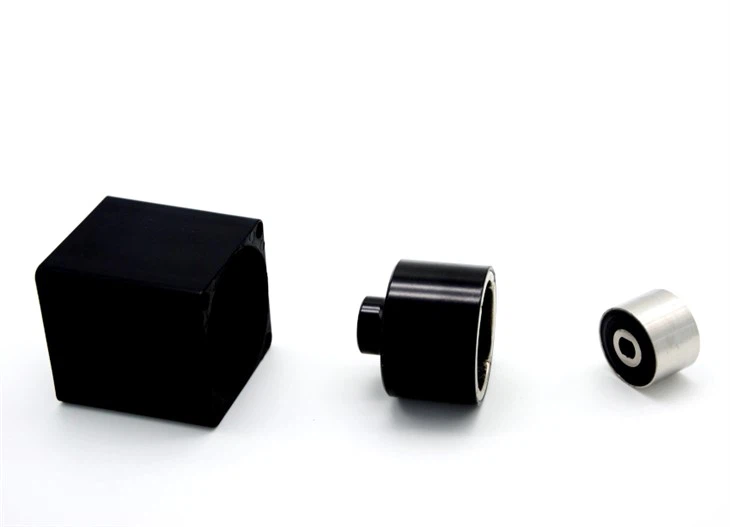
Now, let's talk about hazardous environments. These are places where there's a risk of explosion, fire, or other dangerous situations. Think of oil refineries, chemical plants, mines, and some food processing facilities where flammable substances are present. In such places, safety is the top priority, and any equipment used must meet strict safety standards.
So, can magnetic motor couplings be used in these hazardous areas? The answer is yes, but with some important considerations.

Advantages of Using Magnetic Motor Couplings in Hazardous Environments
One of the biggest advantages is the absence of physical contact between the driving and driven parts. In traditional couplings, the physical connection can generate sparks due to friction or wear. Sparks are a huge no - no in hazardous environments as they can ignite flammable gases or dust. Since magnetic motor couplings use magnetic forces to transfer torque, there's no metal - to - metal contact, which significantly reduces the risk of spark generation.
Another advantage is the hermetic sealing capability. Some magnetic motor couplings can be designed with a hermetic barrier between the motor and the driven equipment. This barrier prevents the escape of any hazardous substances from the process side to the motor side, and vice versa. For example, in a chemical plant, where corrosive or toxic chemicals are being processed, a hermetically sealed magnetic coupling can keep the chemicals contained and protect the motor from damage.
Magnetic motor couplings also offer good speed control and can operate smoothly under varying load conditions. This stability is crucial in hazardous environments where sudden changes in speed or torque can lead to dangerous situations. For instance, in a pumping system in an oil refinery, a stable and well - controlled flow is essential to prevent over - pressurization and potential leaks.
Types of Magnetic Motor Couplings Suitable for Hazardous Environments
There are different types of magnetic motor couplings that can be used in these areas. Linear Magnetic Couplings are a great option for applications where linear motion is required. They can be used in conveyor systems in mines or in some automated chemical processing equipment. These couplings offer precise linear movement and can be designed to meet the safety requirements of hazardous environments.
Permanent Magnetic Couplings are also widely used. They use permanent magnets to create the magnetic field for torque transfer. These couplings are known for their high efficiency and reliability. In hazardous areas, their simple design and low maintenance requirements make them a popular choice. They can be used in a variety of applications, from small pumps to large industrial mixers.
Permanent Neodymium Magnetic Drive Couplings are another type that's suitable for hazardous environments. Neodymium magnets are very strong, which allows for a more compact coupling design. This is especially useful in situations where space is limited, such as in some underground mining equipment.

Safety Standards and Certifications
When using magnetic motor couplings in hazardous environments, it's essential to ensure that they meet the relevant safety standards and certifications. These standards are in place to guarantee that the equipment will operate safely in the presence of flammable gases, vapors, or dust.
For example, in Europe, the ATEX directive is a well - known standard for equipment used in explosive atmospheres. Couplings that are ATEX - certified have been tested and proven to be safe for use in these areas. In the United States, the National Electrical Code (NEC) has specific requirements for equipment in hazardous locations. Our magnetic motor couplings are designed and tested to meet these and other international safety standards, so you can be confident in their performance.
Challenges and Limitations
While magnetic motor couplings offer many benefits for hazardous environments, there are also some challenges and limitations. One of the main challenges is the heat generation. The magnetic fields can cause eddy currents, which in turn generate heat. In a hazardous environment, excessive heat can be a problem as it can increase the risk of ignition. To address this, we've developed advanced cooling techniques and materials to manage the heat effectively.
Another limitation is the cost. Magnetic motor couplings can be more expensive than traditional couplings. However, when you consider the long - term benefits, such as reduced maintenance, increased safety, and improved efficiency, the investment can be well worth it.
Conclusion
In conclusion, magnetic motor couplings can definitely be used in hazardous environments. Their non - contact operation, hermetic sealing capabilities, and compliance with safety standards make them a reliable choice for these challenging applications. Whether you need a Linear Magnetic Coupling for linear motion, a Permanent Magnetic Coupling for high - efficiency torque transfer, or a Permanent Neodymium Magnetic Drive Coupling for a compact design, we've got you covered.
If you're in the market for magnetic motor couplings for your hazardous environment applications, I encourage you to reach out for a discussion. We can help you choose the right coupling for your specific needs and ensure that it meets all the necessary safety requirements. Let's work together to make your operations safer and more efficient.

References
- ATEX Directive 2014/34/EU
- National Electrical Code (NEC), USA
- Technical literature on magnetic motor couplings from industry associations


