





Chongqing Great Wall Technology Co., Ltd. is one of the leading manufacturers and suppliers of permanent magnetic coupling in China, also supports customized service. Welcome to wholesale high quality permanent magnetic coupling for sale here from our factory.
What Is Permanent Magnetic Coupling
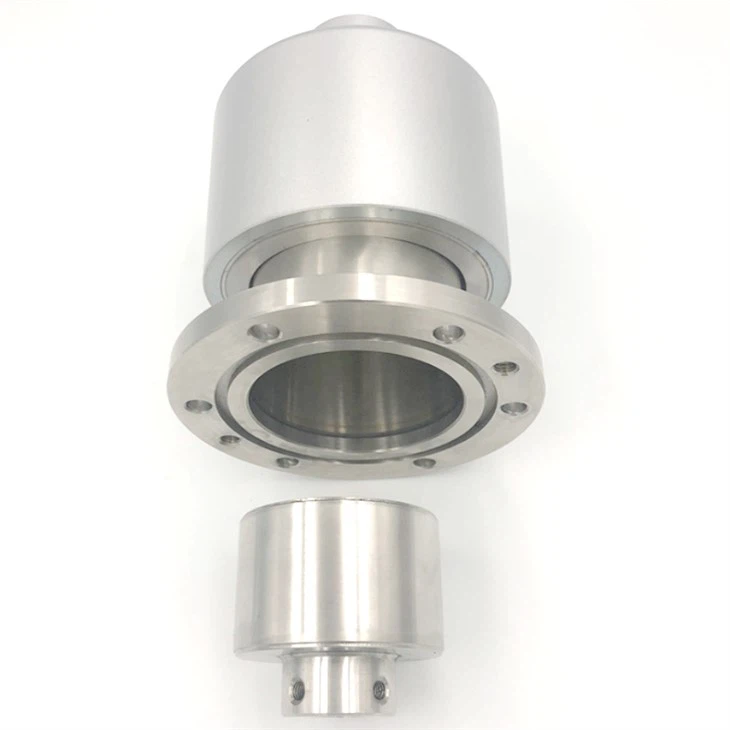
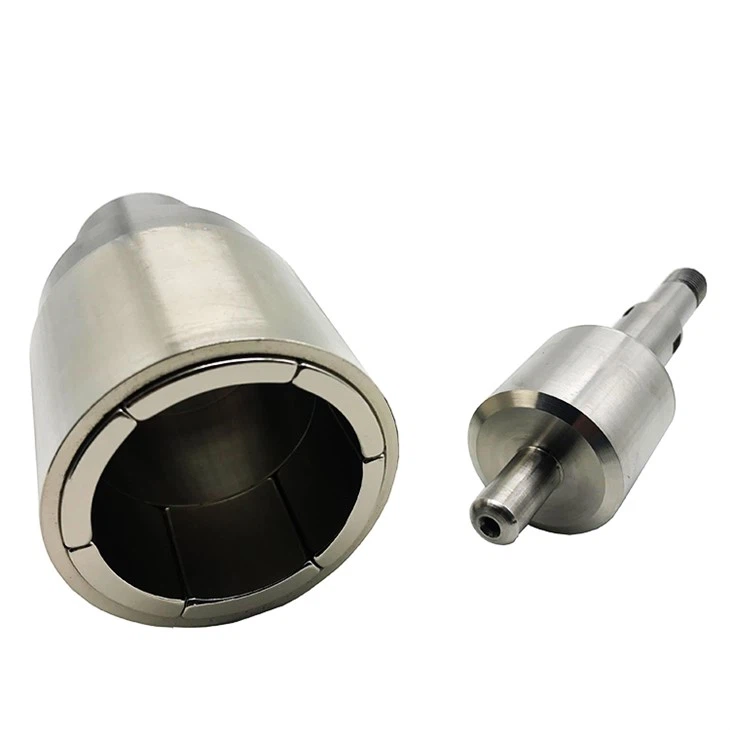
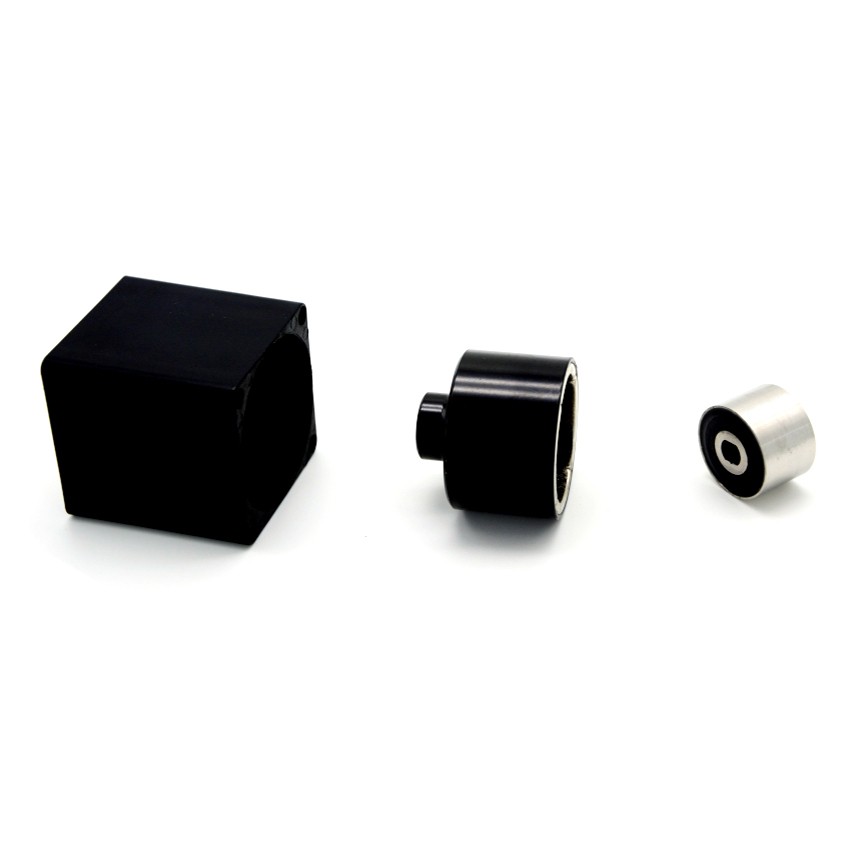
Permanent Magnetic Coupling is a type of coupling that uses the principles of magnetism to transfer torque and power between two shafts without any physical contact. It consists of two parts - an outer drive magnet and an inner magnet assembly. The outer magnet is connected to the driving shaft while the inner magnet is connected to the driven shaft. The magnetic force between these two magnets transmits the torque between the two shafts without any mechanical contact. Unlike traditional couplings, permanent magnetic couplings are maintenance-free, have no wearing parts, and provide a completely hermetic seal between the two shafts, making them ideal for use in applications that require a high degree of cleanliness and reliability.
Benefits of Permanent Magnetic Coupling
Leak-free operation
Since there is no physical contact between the two halves of the magnetic coupling, there is no chance of any leaks. This is especially beneficial in applications where fluids need to be handled carefully, such as in chemical processing industries.
Wide range of applications
Magnetic couplings can be used in a wide range of applications, including chemical processing, oil and gas, pharmaceuticals, and water treatment. They can be used to transfer fluids of varying viscosity, including corrosive and abrasive fluids.
High efficiency
Permanent magnetic couplings offer high power transmission efficiency and reduce energy loss due to friction.
Increased safety
Magnetic couplings eliminate the need for seals and other mechanical components, which reduces the chance of component failure, reduces maintenance, and increases safety.
Reduced noise
Due to the absence of any physical contact between the two halves of the magnetic coupling, there is typically less noise and vibration in the system.
Low maintenance
As there are no internal moving parts, the magnetic coupling requires minimal maintenance. This reduces operating costs and increases uptime.


Why Choose Us
Expertise and Experience
Our team of experts have years of experience in delivering high quality services to our clients. We hire only the best professionals who have a proven track record of delivering exceptional results.
Competitive Pricing
We offer competitive pricing for our services without compromising on quality. Our prices are transparent, and we do not believe in hidden charges or fees.
Customer Satisfaction
We are committed to delivering high quality services that exceed our clients' expectations. We strive to ensure that our clients are satisfied with our services and work closely with them to ensure their needs are met.
One-stop service
We promise to provide you with the fastest reply, the best price, the best quality, and the most complete after-sales service.

Magnetic coupling is actually an outer magnetic round rotor and an inner rotor combined. both rotors are built with permanent magnets aligned north and south (north faced magnets near south face magnets and so on). While the outer rotor rotates clockwise, the inner rotor will follow because north pole faced magnets will attract the opposite (south aligned) magnet in the inner rotor.
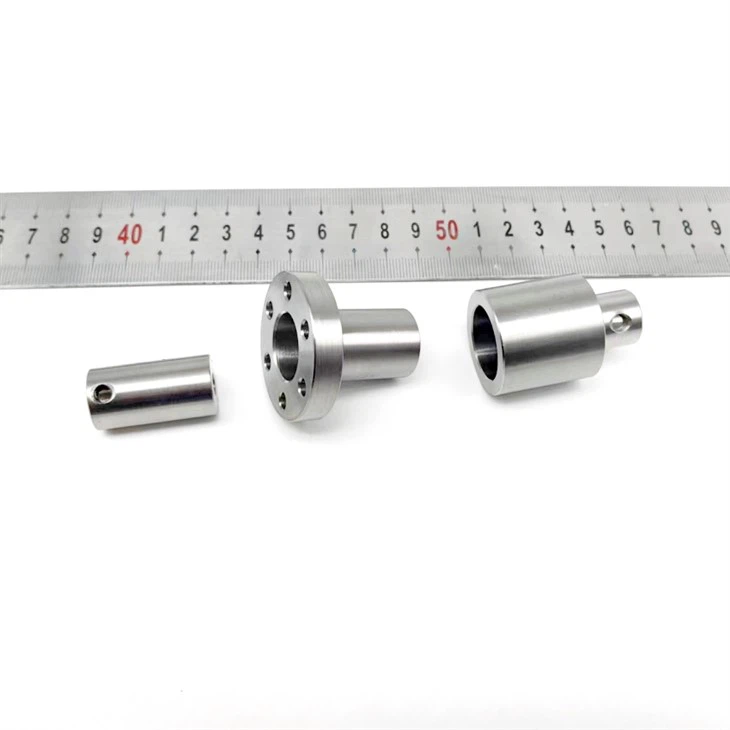
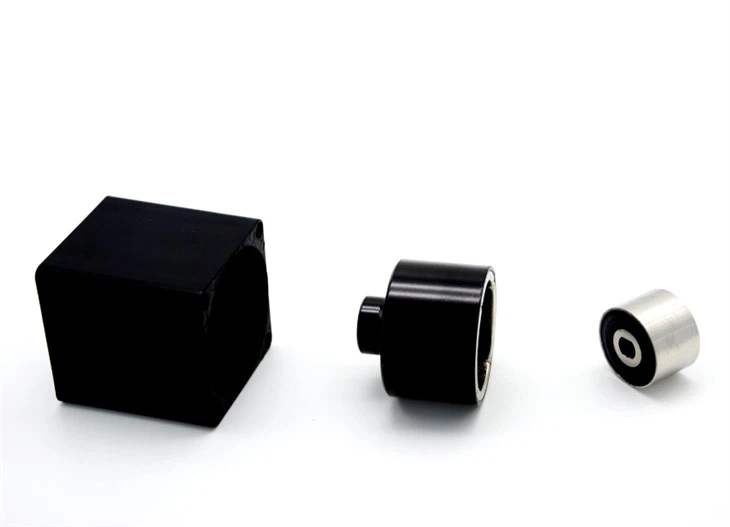
Inner and outer rotors can be designed in different ways to match your company requirement. Please have a look in the different types of inner and outer rotors. please contact us for more information.
Features
Magnetic torque transmission, clean and efficient.
Big transmission torque, with small size.
Stable properties, wear free, long life time.
Magnetic coupling are widely used to solve leakage problems in industrial pumps, reaction kettles, valves, hydraulic
Permanent Magnetic Coupling Types


While all magnetic couplings use the same magnetic properties and basic mechanical forces, there are two types that differ by design.
The two main types include:
Disc-type couplings featuring two face-to-face disc halves embedded with a series of magnets where torque is transferred across the gap from one disc to the other
Synchronous-type couplings such as permanent magnet couplings, coaxial couplings and rotor couplings where an internal rotor is nested inside of an external rotor and permanent magnets transfer torque from one rotor to the other
In addition to the two main types, magnetic couplings includes spherical, eccentric, spiral and nonlinear designs. These magnetic coupling alternatives aid in the use of torque and vibration, specifically used in applications for biology, chemistry, quantum mechanics, and hydraulics.
In the simplest terms, magnetic couplings work using the fundamental concept that opposite magnetic poles attract. The attraction of the magnets transmits torque from one magnetized hub to another (from the driving member of the coupling to the driven member). Torque describes the force that rotates an object. As external angular momentum is applied to one magnetic hub, it drives the other by transmitting torque magnetically between the spaces or through a non-magnetic containment barrier such as a dividing wall.
The amount of torque generated by this process is determined by variables such as:
Working temperature
Environment in which processing occurs
Magnetic polarization
Number of pole pairs
Dimensions of pole pairs, including gap, diameter and height
Relative angular offset of the pairs
Shift of the pairs
Depending on the alignment of the magnets and discs or rotors, the magnetic polarization is radial, tangential or axial. Torque is then transferred to one or more moving parts.

Magnetic couplings are highly efficient and effective for numerous above-ground applications including:
- Robotics
- Chemical engineering
- Medical instruments
- Machine installation
- Food processing
- Rotary machines
Currently, magnetic couplings are prized for their effectiveness when submerged in water. Motors encased in a non-magnetic barrier within liquid pumps and propeller systems allow the magnetic force to operate the propeller or parts of the pump in contact with liquid. Water shaft failure caused by the invasion of water in a motor housing is avoided by spinning a set of magnets in a sealed container.
As the technology improves, magnetic couplings become more prevalent as replacements for variable speed drives in pumps and fan motors. An example of significant industrial use is motors within large wind turbines.
Permanent Magnetic Coupling MATERIAL SELECTION
Selecting the correct permanent magnet material and grade is critical in any magnet design. There are a few key parameters that should be carefully considered when evaluating the right material selection for your application.
Maximum Operating Temperature: Determine the maximum operating temperature for your applications. Permanent magnet materials have specific operating temperature limits.
Maximum Energy Product: Select the permanent magnet material that best 'fits' your application requirements. Increased energy product will typically reduce the maximum operating temperature.
Intrinsic Coercivity (resistance to demagnetization): Select a material that will perform in your application's environment. the intrinsic coercitivty must be high enough to withstand the demagnetization forces inherent in the application.
Like all other couplings, magnetic couplings are designed to transfer torque from one shaft to another. But what sets magnetic couplings apart, is that they do this without a physical mechanical connection. This makes them suitable for fluid pumping applications since the connection can be made through thin barriers, which help maintain a hermetically sealed rotary feedthrough.
Another advantage magnetic couplings have over their physical brethren, is that since there are no contacting parts in the coupling, wear is virtually nonexistent. Magnetic couplings also have a built in safety feature where, in the event of an overload on the coupling, it will shift to the next position and keep going. Since the couplings use permanent magnets, no external power source is needed.
Magnetic couplings do have their share of disadvantages. Magnetic couplings can typically only handle light torque loads and applications with either gradual starts, or very low rotational inertia of the driven side of the system. They are also rather large in diameter, considering their relatively light torque load. The couplings also have moderate radial loads on support bearings.

An electromagnet is a kind of magnet that produces a magnetic field by means of an electric current. The rapid dissipation of the magnetic field upon cutting the electric current is the distinctive feature of electromagnets. A soft iron core is usually the component of an electromagnet; an electric current passing through it causes the core to become magnetic.
On the contrary, a permanent magnet is inherently magnetized and maintains its magnetic field persistently. The term 'permanent' reflects the magnet's ability to retain its magnetic properties without losing them once magnetized, and its polarity remains fixed.
Despite these commonalities, electromagnets and permanent magnets exhibit notable differences. A key distinction lies in the control of the magnetic field.
The magnetic field strength of an electromagnet can be manipulated by adjusting the current flowing through its coils. In contrast, permanent magnets have a static magnetic field strength that cannot be altered.
Further exploration of the disparities between electromagnets and permanent magnets can be elucidated based on various parameters.
Our Factory
Our magnets are mainly applied to motors and generators, such as Servo motors, Linear motors, Wind power generators, Automotive drive motors, Compressor motors, Audio equipment, Home theater, Instrumentation, Medical equipment, Automotive sensors, Wind turbines and Magnetic tools etc.

FAQ
Hot Tags: permanent magnetic coupling, China permanent magnetic coupling manufacturers, suppliers, factory, Magnetic Shaft Coupling, Magnetic Disk Couplings, Mag Drive Coupling, Permanent Magnetic Coupling, Linear Magnetic Couplings, Linear Magnetic Couplings


