


Hey there! As a supplier of Alnico Disc Magnets, I often get asked about the shape tolerance of these nifty little magnets. So, I thought I'd take a few minutes to break it down for you.
First off, let's talk about what Alnico Disc Magnets are. Alnico is an alloy made up of aluminum (Al), nickel (Ni), and cobalt (Co), along with some other elements. These magnets are known for their high magnetic strength, excellent temperature stability, and good corrosion resistance. They're used in a wide range of applications, from electric motors and generators to sensors and loudspeakers.
Now, when it comes to shape tolerance, it's all about how closely the actual shape of the magnet matches the desired or specified shape. In the case of Alnico Disc Magnets, we're usually talking about things like the diameter, thickness, and flatness of the disc.
Diameter Tolerance
The diameter of an Alnico Disc Magnet is one of the most critical dimensions. Depending on the application, the tolerance for the diameter can vary quite a bit. For some high - precision applications, we might be looking at a tolerance of ±0.01 mm or even less. That's incredibly precise! But for more general - purpose applications, a tolerance of ±0.1 mm or ±0.2 mm could be acceptable.
Let's say you're using an Alnico Disc Magnet in a small electric motor. The motor's design might require the magnet to fit snugly into a specific housing. If the diameter is too large, the magnet won't fit at all. If it's too small, it might rattle around, causing vibrations and reducing the motor's efficiency. So, getting that diameter within the right tolerance is crucial.
Thickness Tolerance
The thickness of the Alnico Disc Magnet is another important factor. Similar to the diameter, the tolerance for thickness can vary based on the application. In some cases, a tolerance of ±0.05 mm might be needed, while in others, ±0.2 mm could work.
For example, if you're using the magnet in a sensor, the thickness can affect the magnetic field strength and the way the sensor operates. A magnet that's too thick might generate a stronger magnetic field than the sensor is designed to handle, leading to inaccurate readings. On the other hand, a magnet that's too thin might not produce a strong enough field, also causing problems.
Flatness Tolerance
Flatness is also a key aspect of shape tolerance for Alnico Disc Magnets. A flat magnet ensures that it can be properly mounted and that the magnetic field is distributed evenly. We usually measure flatness in terms of how much the surface deviates from a perfectly flat plane.
For most applications, a flatness tolerance of ±0.02 mm to ±0.05 mm is common. If the magnet isn't flat, it can cause issues when it's being assembled into a device. It might not make proper contact with other components, which can lead to performance problems.
How We Control Shape Tolerance
At our company, we use a combination of advanced manufacturing techniques and quality control measures to ensure that our Alnico Disc Magnets meet the required shape tolerances.
During the manufacturing process, we start with high - quality raw materials. We carefully control the melting and casting process to ensure that the alloy has the right composition and structure. After casting, the magnets go through a series of machining operations, such as grinding and polishing, to achieve the desired shape and dimensions.
We also have a rigorous quality control system in place. We use precision measuring instruments, like calipers, micrometers, and coordinate measuring machines (CMMs), to check the dimensions of the magnets at various stages of production. If a magnet doesn't meet the specified tolerance, we either re - machine it or reject it.
Comparing with Other Alnico Magnet Shapes
It's interesting to compare the shape tolerance requirements of Alnico Disc Magnets with other Alnico magnet shapes, like Alnico Rod Magnet and Alnico Ring Magnet.
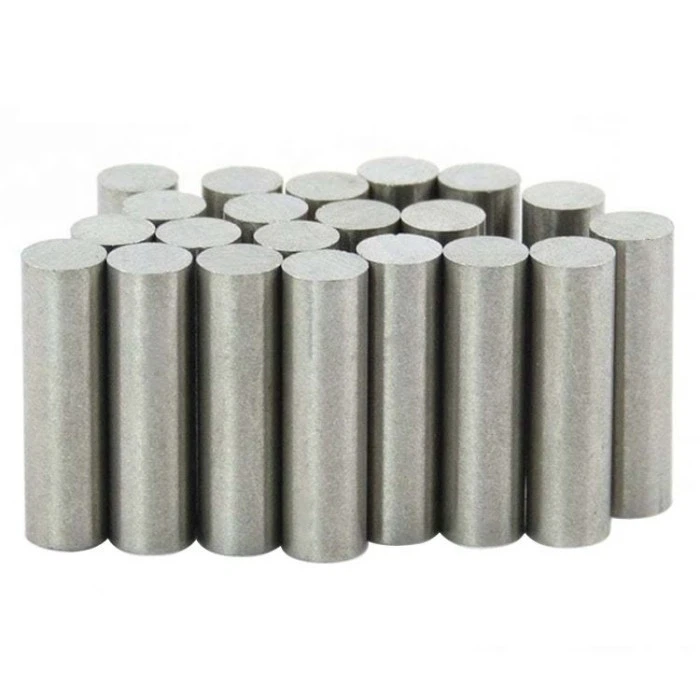
Alnico Rod Magnets typically have different tolerance requirements for their diameter and length. The length tolerance can be more forgiving in some applications, but the diameter tolerance is often just as critical as in the case of disc magnets. Rod magnets are commonly used in applications where a linear magnetic field is needed, such as in some types of actuators.
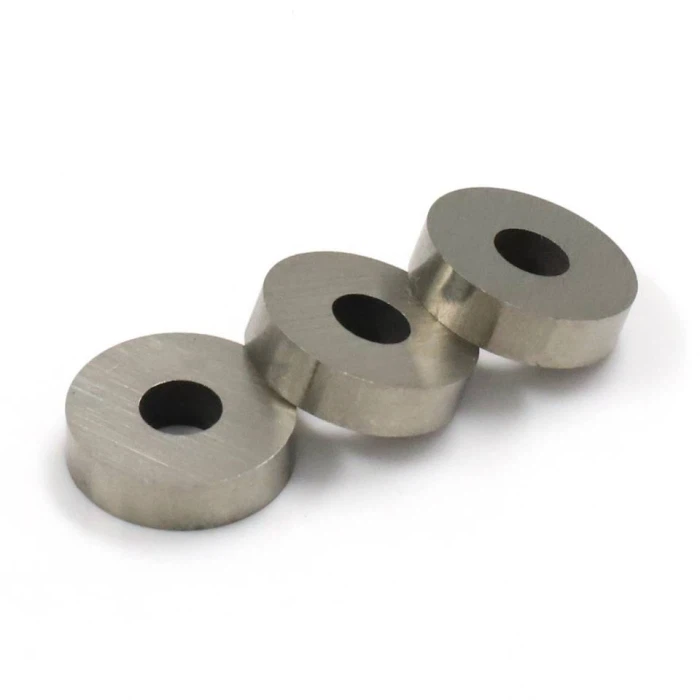
Alnico Ring Magnets, on the other hand, have additional tolerance considerations related to the inner and outer diameters, as well as the width of the ring. These magnets are often used in applications where a circular magnetic field is required, like in some types of sensors and motors. You can learn more about them on our Alnico Ring Magnet page.
Why Shape Tolerance Matters
You might be wondering why all this talk about shape tolerance is so important. Well, as I mentioned earlier, the shape of the magnet can have a significant impact on its performance in a given application.
A magnet that's out of tolerance can lead to a whole host of problems. It can cause mechanical issues, like improper fitting or excessive wear. It can also affect the magnetic properties of the magnet, leading to reduced efficiency, inaccurate readings, or even complete failure of the device it's used in.
Contact Us for Your Alnico Disc Magnet Needs
If you're in the market for high - quality Alnico Disc Magnets with precise shape tolerances, we're here to help. Whether you need a small batch for prototyping or a large - scale production order, we have the expertise and capabilities to meet your requirements.
We can work with you to understand your specific application and determine the right shape tolerances for your magnets. So, don't hesitate to reach out to us for a quote or to discuss your project in more detail. You can find more information about our Alnico Disc Magnet offerings on our website.
References
- "Magnetics Handbook" - A comprehensive guide on magnetic materials and their properties.
- Industry standards and specifications for Alnico magnets published by relevant professional organizations.


