


Alnico rod magnets are a staple in various industries, known for their high magnetic strength and excellent temperature stability. As a trusted supplier of these magnets, I often encounter questions regarding their properties, and one that comes up quite frequently is about their density. In this blog post, we'll dive deep into the density of Alnico rod magnets, its implications, and how it relates to the performance of these remarkable magnetic components.
Understanding Alnico Magnets
Before we delve into the density, it's essential to understand what Alnico magnets are. Alnico is an alloy composed primarily of aluminum (Al), nickel (Ni), and cobalt (Co), along with other elements such as iron, copper, and titanium in smaller quantities. The unique combination of these elements imparts specific magnetic and physical properties to the magnets.
Alnico magnets are categorized into two main types: cast and sintered. Cast Alnico magnets are formed by melting the alloy ingredients and pouring them into molds, resulting in a more complex shape and higher magnetic properties. Sintered Alnico magnets, on the other hand, are made by compacting fine alloy powders under high pressure and then sintering them at a high temperature. They typically have a more uniform structure and are used in applications where precision is required.
Density of Alnico Rod Magnets
The density of a material is defined as its mass per unit volume, typically measured in grams per cubic centimeter (g/cm³) or kilograms per cubic meter (kg/m³). For Alnico rod magnets, the density can vary depending on the exact composition of the alloy and the manufacturing process.

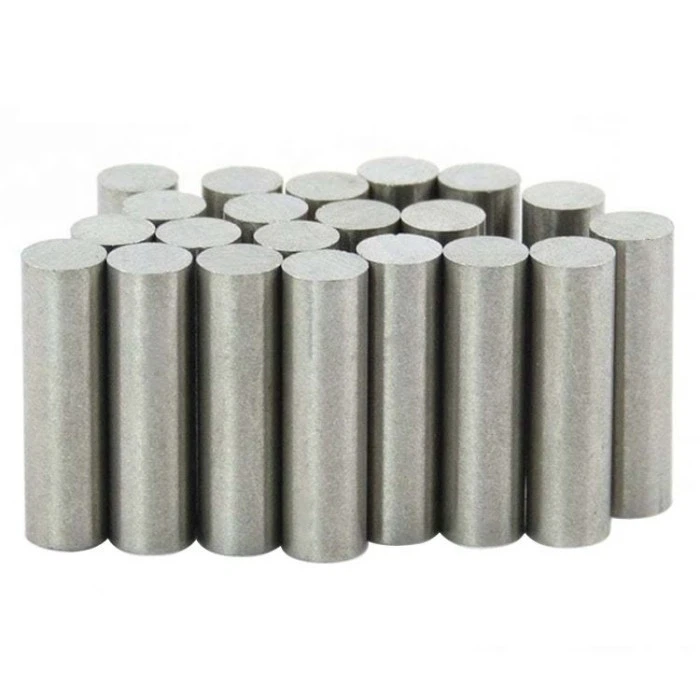
- Cast Alnico Magnets: Cast Alnico magnets generally have a density ranging from approximately 7.2 to 7.3 g/cm³. This relatively high density is due to the alloy's composition, which includes heavy metals like cobalt and nickel. The casting process also contributes to the compactness of the material, resulting in a higher mass per unit volume.
- Sintered Alnico Magnets: Sintered Alnico magnets typically have a slightly lower density, ranging from around 7.0 to 7.1 g/cm³. This difference in density can be attributed to the sintering process, which may result in a more porous structure compared to cast magnets. However, the density can still be quite consistent across different sintered Alnico products, making them suitable for applications where precision is crucial.
The density of an Alnico rod magnet is an important property as it affects several aspects of its performance and usability.
Implications of Density
- Weight and Handling: The density of an Alnico rod magnet directly influences its weight. Heavier magnets can be more challenging to handle, especially in applications where weight is a critical factor, such as aerospace or portable electronics. On the other hand, the high density can also provide stability and durability, making them suitable for applications where the magnet needs to withstand mechanical stress.
- Magnetic Performance: The density of the magnet can also impact its magnetic performance. A higher density generally indicates a more compact arrangement of the magnetic domains within the material, which can lead to stronger magnetic fields. However, the relationship between density and magnetic performance is complex and also depends on other factors such as the composition of the alloy and the manufacturing process.
- Cost: The cost of Alnico rod magnets is often related to their density. Higher density magnets typically require more raw materials, which can increase the production cost. Additionally, the manufacturing processes for high-density magnets may also be more complex, further contributing to the cost. Therefore, it's important to consider the density requirements based on the specific application and budget constraints.
Applications of Alnico Rod Magnets
Alnico rod magnets are used in a wide range of applications across various industries, thanks to their unique combination of magnetic properties and density. Here are some common applications:
- Electrical Engineering: In electrical motors and generators, Alnico rod magnets are used to generate magnetic fields that convert electrical energy into mechanical energy and vice versa. The high density and magnetic strength of these magnets make them suitable for high-power applications.
- Audio Equipment: Alnico magnets are often used in speakers and microphones due to their ability to produce clear and high-quality sound. The density of the magnet affects the speaker's performance by influencing the movement of the diaphragm and the overall efficiency of the sound production.
- Sensors and Instruments: Alnico rod magnets are used in various sensors and instruments, such as magnetic sensors, compasses, and flow meters. The precise magnetic properties and density of these magnets allow for accurate measurement and detection of magnetic fields.
As a Supplier
As a supplier of Alnico rod magnets, we understand the importance of providing high-quality products that meet the specific requirements of our customers. We offer a wide range of Alnico rod magnets with different densities, sizes, and magnetic properties to suit various applications. Whether you need a cast or sintered magnet, we can provide you with the best solution based on your needs.
In addition to our standard product offerings, we also offer custom manufacturing services. If you have unique requirements for your Alnico rod magnets, such as a specific density or shape, our experienced team of engineers can work with you to develop a custom solution. We use advanced manufacturing techniques and equipment to ensure the highest level of precision and quality in our products.
Conclusion and Call to Action
In conclusion, the density of an Alnico rod magnet is a crucial property that affects its weight, magnetic performance, and cost. Understanding the density and its implications can help you make informed decisions when selecting the right magnet for your application. At our company, we are committed to providing high-quality Alnico rod magnets and excellent customer service. If you are interested in purchasing Alnico Rod Magnets, Alnico Ring Magnets, or Alnico Disc Magnets, or if you have any questions about our products, please don't hesitate to contact us. We look forward to discussing your requirements and working with you to find the perfect magnetic solution.
References
- Handbook of Permanent Magnets: Theory and Applicatio. CRC Press.
- Magnetic Materials and Their Applications. John Wiley & Sons.


