


Neodymium disc magnets are among the most powerful permanent magnets available on the market today, renowned for their exceptional magnetic strength and versatility. As a supplier of these remarkable magnets, I've witnessed firsthand their widespread applications across various industries, from electronics and automotive to renewable energy and medical devices. One of the key properties that make neodymium disc magnets so unique is their anisotropy. In this blog post, we'll delve into what anisotropy means in the context of neodymium disc magnets, why it matters, and how it impacts their performance.
Understanding Anisotropy
Anisotropy refers to the property of a material having different physical properties in different directions. In the case of neodymium disc magnets, anisotropy is a crucial characteristic that determines their magnetic behavior. Unlike isotropic materials, where the properties are the same in all directions, anisotropic neodymium disc magnets have a preferred direction of magnetization, known as the easy axis.
The anisotropy of neodymium disc magnets is a result of their crystal structure. Neodymium magnets are typically made from a sintered powder of neodymium, iron, and boron (NdFeB). During the manufacturing process, the powder is compacted and then sintered at high temperatures. This process aligns the crystal grains in the magnet, creating a highly ordered structure with a distinct easy axis.
The Significance of Anisotropy in Neodymium Disc Magnets
The anisotropy of neodymium disc magnets plays a vital role in their performance. Here are some of the key benefits:
- Enhanced Magnetic Strength: The alignment of the crystal grains along the easy axis allows the magnetic moments of the individual atoms to align more effectively, resulting in a stronger magnetic field. This is why anisotropic neodymium disc magnets are significantly more powerful than their isotropic counterparts.
- Improved Coercivity: Coercivity is a measure of a magnet's resistance to demagnetization. Anisotropic neodymium disc magnets have high coercivity, which means they can maintain their magnetic properties even in the presence of external magnetic fields or high temperatures. This makes them ideal for applications where stability and reliability are critical.
- Directional Magnetization: The easy axis of an anisotropic neodymium disc magnet provides a clear direction for magnetization. This allows manufacturers to precisely control the magnetic field orientation, which is essential for many applications, such as motors, generators, and magnetic sensors.
Applications of Anisotropic Neodymium Disc Magnets
The unique properties of anisotropic neodymium disc magnets make them suitable for a wide range of applications. Here are some examples:
- Electronics: Neodymium disc magnets are used in various electronic devices, such as hard disk drives, speakers, and headphones. Their high magnetic strength and directional magnetization enable smaller and more efficient designs.
- Automotive: In the automotive industry, neodymium disc magnets are used in electric motors, sensors, and actuators. Their high coercivity and thermal stability make them ideal for use in harsh environments.
- Renewable Energy: Anisotropic neodymium disc magnets are a key component in wind turbines and electric vehicles. Their powerful magnetic fields help to convert mechanical energy into electrical energy more efficiently.
- Medical Devices: Neodymium disc magnets are used in medical imaging equipment, such as MRI machines, as well as in therapeutic devices, such as magnetic therapy bracelets. Their high magnetic strength and precision magnetization are essential for accurate diagnosis and treatment.
Comparing Anisotropic Neodymium Disc Magnets with Other Magnet Types
When choosing a magnet for a specific application, it's important to consider the properties of different magnet types. Here's a comparison of anisotropic neodymium disc magnets with some other common magnet materials:
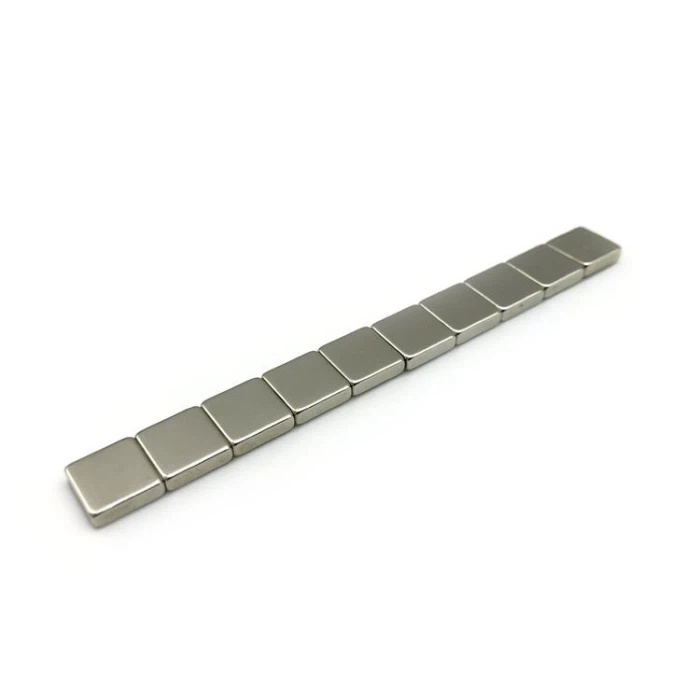

- Alnico Magnets: Alnico magnets are made from an alloy of aluminum, nickel, and cobalt. They have relatively low coercivity and are more prone to demagnetization compared to neodymium disc magnets. However, they have high remanence and can operate at high temperatures.
- Ferrite Magnets: Ferrite magnets are made from iron oxide and other elements. They are inexpensive and have good corrosion resistance, but their magnetic strength is significantly lower than that of neodymium disc magnets.
- Samarium Cobalt Magnets: Samarium cobalt magnets are similar to neodymium disc magnets in terms of their high magnetic strength and coercivity. However, they are more expensive and have a lower energy product.
Conclusion and Call to Action
In conclusion, the anisotropy of neodymium disc magnets is a fundamental property that sets them apart from other magnet materials. Their high magnetic strength, improved coercivity, and directional magnetization make them ideal for a wide range of applications. As a supplier of Neodymium Disc Magnets, we offer a comprehensive range of anisotropic neodymium disc magnets to meet the diverse needs of our customers.
If you're looking for high-quality neodymium disc magnets for your next project, we'd love to hear from you. Our team of experts can help you choose the right magnet for your specific application and provide you with customized solutions. Contact us today to discuss your requirements and start exploring the possibilities of anisotropic neodymium disc magnets.
References
- "Magnetism and Magnetic Materials" by David Jiles
- "Handbook of Magnetic Materials" edited by Klaus H. J. Buschow


