


As a supplier of Halbach Arrays, I've witnessed firsthand the numerous technological advantages and broad application prospects of this innovative magnetic structure. However, in an era where environmental concerns are at the forefront, it's essential to also explore the environmental impacts of Halbach Arrays.
1. Magnetic Materials and Their Environmental Footprint
Halbach Arrays are typically constructed using high - performance permanent magnets, such as neodymium - iron - boron (NdFeB) magnets. The extraction and refining of the rare - earth elements used in these magnets have significant environmental implications.
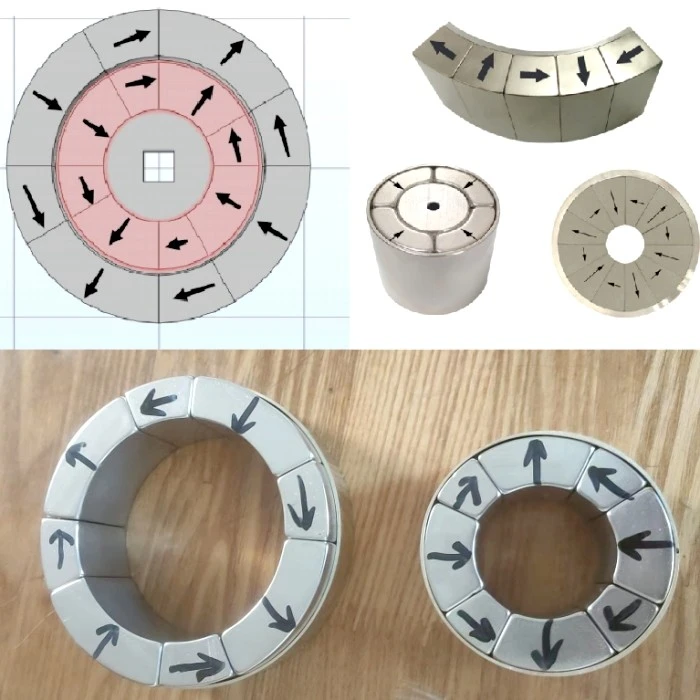

Rare - earth mining often involves large - scale open - pit operations. These operations can lead to severe deforestation, as large areas of land need to be cleared to access the ore deposits. The removal of vegetation disrupts local ecosystems, destroying habitats for countless plant and animal species. Biodiversity is greatly reduced as a result, with species being displaced or driven to extinction in some cases.
The refining process of rare - earth elements is also highly polluting. It requires the use of large amounts of water, which is then contaminated with heavy metals and radioactive substances. For example, thorium, a radioactive element, is often associated with rare - earth ore deposits. When the water used in the refining process is discharged without proper treatment, it can contaminate surface and groundwater sources, posing a serious threat to human health and the environment. Polluted water can lead to the death of aquatic life, and when consumed by humans, it can cause various diseases, including cancer.
However, as a responsible Halbach Array supplier, we are committed to sourcing our magnetic materials from suppliers who adhere to strict environmental standards. We encourage and support the development of more sustainable mining and refining technologies in the industry. By working with these environmentally - conscious partners, we aim to reduce the negative environmental impacts associated with the raw materials of our products. You can find out more about our specifically sourced Halbach Array Magnet.
2. Energy Consumption During Manufacturing
The manufacturing process of Halbach Arrays is energy - intensive. From the initial shaping and machining of the magnets to the final assembly, a significant amount of electrical energy is required. The energy sources used for this manufacturing process often come from non - renewable fossil fuels, such as coal, oil, and natural gas. The burning of these fossil fuels releases large amounts of greenhouse gases, such as carbon dioxide (CO₂), into the atmosphere. These emissions are a major contributor to global warming and climate change, which have far - reaching consequences for the environment, including rising sea levels, more extreme weather events, and disruption of ecological systems.
To mitigate this issue, we are constantly exploring ways to improve the energy efficiency of our manufacturing processes. We are investing in the research and development of new manufacturing techniques that require less energy. For example, we are looking into advanced machining technologies that can reduce the energy needed for shaping the magnets. Additionally, we are gradually transitioning to renewable energy sources, such as solar and wind power, to meet our energy requirements. By doing so, we can significantly reduce our carbon footprint and contribute to a more sustainable future. And for details on our advanced Halbach Array Assembly processes aiming at energy - efficiency, you can visit our website.
3. Waste Generation and Recycling
During the manufacturing of Halbach Arrays, waste is inevitably generated. This includes scrap magnets, machining chips, and other by - products. If not properly managed, this waste can have a negative impact on the environment. Scrap magnets, for example, contain rare - earth elements and heavy metals, which can leach into the soil and water if disposed of in landfills.
We take waste management seriously and have implemented a comprehensive recycling program. We strive to recycle as much of the waste generated during the manufacturing process as possible. The recycled rare - earth materials can then be reused in the production of new magnets, reducing the need for further mining and refining. This not only conserves natural resources but also reduces the environmental impact associated with raw material extraction.
In addition, we are also involved in research and development efforts to improve the recyclability of our products. We are working on developing new magnet designs and manufacturing processes that make it easier to separate and recover the valuable materials from end - of - life Halbach Arrays. Our Cylindrical Halbach Array also follows these sustainable recycling principles for waste reduction.
4. Potential Benefits to the Environment
Despite the environmental challenges associated with the production of Halbach Arrays, they also offer several significant environmental benefits in certain applications.
One of the most notable applications is in electric vehicles (EVs). Halbach Arrays are used in the motors of EVs to improve their efficiency. Compared to traditional motors, motors with Halbach Arrays can convert a higher percentage of electrical energy into mechanical energy, reducing energy losses. This means that EVs can travel longer distances on a single charge, reducing the overall energy consumption of the transportation sector. As the transportation sector is a major contributor to greenhouse gas emissions, the use of Halbach Arrays in EVs can help to mitigate climate change by reducing CO₂ emissions.
In addition, Halbach Arrays are also used in magnetic levitation (maglev) trains. Maglev trains use magnetic forces to levitate and propel the train, eliminating the friction between the wheels and the tracks. This results in a much more energy - efficient and quieter mode of transportation. The high - efficiency of maglev trains powered by Halbach Arrays can contribute to a significant reduction in energy consumption and air pollution compared to traditional trains.
5. Conclusion and Call to Action
In conclusion, while Halbach Arrays present some environmental challenges, especially in terms of raw material extraction, energy consumption, and waste management, they also offer great potential for environmental benefits in applications such as electric vehicles and maglev trains. As a supplier of Halbach Arrays, we are actively taking steps to minimize the negative environmental impacts of our products and maximize their positive contributions.
We are committed to continuous improvement in our environmental performance. We will continue to invest in research and development to find more sustainable ways of producing and using Halbach Arrays. We also encourage our customers to join us in this sustainability journey.
If you are interested in our high - quality Halbach Arrays and want to discuss potential purchases, please do not hesitate to contact us. We look forward to working with you to create a more sustainable future through the use of advanced magnetic technology.
References
- "Rare Earth Elements: Essential for High - Tech, Dirty to Mine" by Science Daily.
- "Environmental Impact of Electric Vehicle Motors" by The Journal of Sustainable Energy.
- "Advances in Magnetic Levitation Technology and Its Environmental Implications" by Transportation Research Board.


