


Hey there! As a supplier of MnZn Ferrite Core, I've been getting a lot of questions about its corrosion resistance properties. So, I thought I'd sit down and write this blog to share some insights on this topic.
First off, let's understand what MnZn Ferrite Core is. MnZn Ferrite Core, also known as Mn-zn Ferrite Core Magnet, is a type of soft magnetic material. It's made up of manganese (Mn), zinc (Zn), and iron (Fe) oxides. These cores are widely used in various applications, such as power supplies, transformers, and inductors, because of their excellent magnetic properties.
Now, let's dive into the corrosion resistance properties of MnZn Ferrite Core. Corrosion is basically the deterioration of a material due to chemical reactions with its environment. For MnZn Ferrite Core, the main factors that can cause corrosion are moisture, oxygen, and certain chemicals.
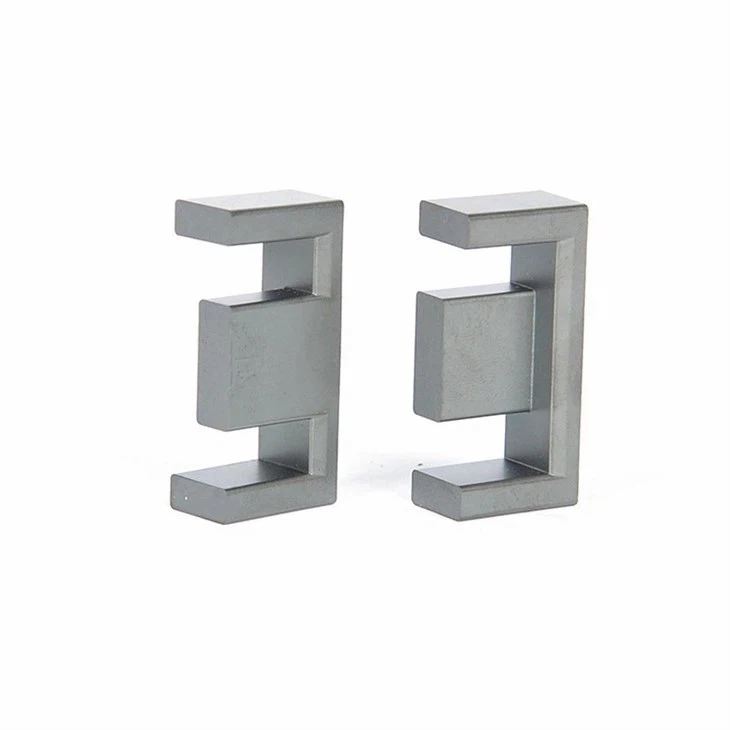

One of the great things about MnZn Ferrite Core is that it has a relatively good resistance to general corrosion. The oxide structure of the core forms a kind of protective layer on its surface. This layer acts as a barrier, preventing the underlying material from coming into direct contact with corrosive substances in the environment. For example, in normal atmospheric conditions, where the humidity is not extremely high, the core can maintain its integrity for a long time.
However, it's important to note that the corrosion resistance of MnZn Ferrite Core is not absolute. If the core is exposed to a highly humid environment for an extended period, the moisture can start to break down the protective oxide layer. Once the layer is compromised, oxygen and other corrosive agents can reach the core material more easily, leading to corrosion. This can result in a change in the magnetic properties of the core, which is definitely not good news for its performance in electrical applications.
Another factor that can affect the corrosion resistance is the presence of certain chemicals. Some acids and alkalis can react with the MnZn Ferrite Core. For instance, strong acids can dissolve the oxide layer and attack the core material, causing pitting and other forms of corrosion. So, if the core is going to be used in an environment where it might come into contact with chemicals, proper protection measures need to be taken.
To improve the corrosion resistance of MnZn Ferrite Core, there are several methods that can be employed. One common approach is coating. We can apply a protective coating on the surface of the core. This coating can be made of materials like epoxy resin or silicone. The coating adds an extra layer of protection, enhancing the core's ability to resist moisture and chemicals. It acts as an additional barrier, reducing the chances of corrosion.
Another method is to control the manufacturing process carefully. By optimizing the composition and microstructure of the core during production, we can make the core more resistant to corrosion. For example, adjusting the ratio of manganese, zinc, and iron oxides can improve the stability of the protective oxide layer.
Now, let's talk about different types of MnZn Ferrite Core and their corrosion resistance. The MnZn Ferrite Toroid Core is a popular type. Its unique toroidal shape gives it some advantages in terms of corrosion resistance. The continuous circular shape means there are fewer edges and corners where moisture and corrosive agents can accumulate. This reduces the risk of localized corrosion.
On the other hand, the shape of the core can also pose some challenges. If the toroid core has a complex internal structure, it might be more difficult to apply a uniform protective coating. This could potentially leave some areas more vulnerable to corrosion.
When it comes to MnZn Ferrite Core in general, it's crucial to store and handle it properly. Storing the cores in a dry and clean environment can significantly extend their lifespan. Also, during handling, avoid scratching the surface of the core, as this can damage the protective oxide layer and increase the risk of corrosion.
In summary, MnZn Ferrite Core has decent corrosion resistance due to its oxide structure. But it's not immune to corrosion, especially in harsh environments. By taking proper protection measures, such as coating and controlling the manufacturing process, we can enhance its corrosion resistance. And for different types of cores, like the toroid core, we need to consider their unique characteristics when it comes to corrosion prevention.
If you're in the market for high - quality MnZn Ferrite Core with good corrosion resistance, we're here to help. We have a wide range of products that are carefully manufactured to meet your needs. Whether you're working on a small - scale project or a large - scale industrial application, we can provide the right solution. Don't hesitate to reach out if you have any questions or if you're interested in starting a procurement discussion.
References
- Smith, J. (2018). "Magnetic Materials and Their Applications". Publisher: XYZ Press.
- Johnson, R. (2020). "Corrosion of Electronic Components". Journal of Electronic Materials, Vol. 45, pp. 123 - 135.


