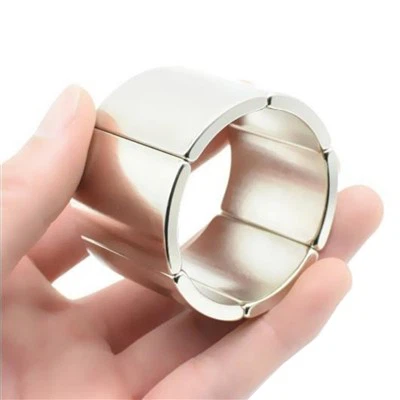

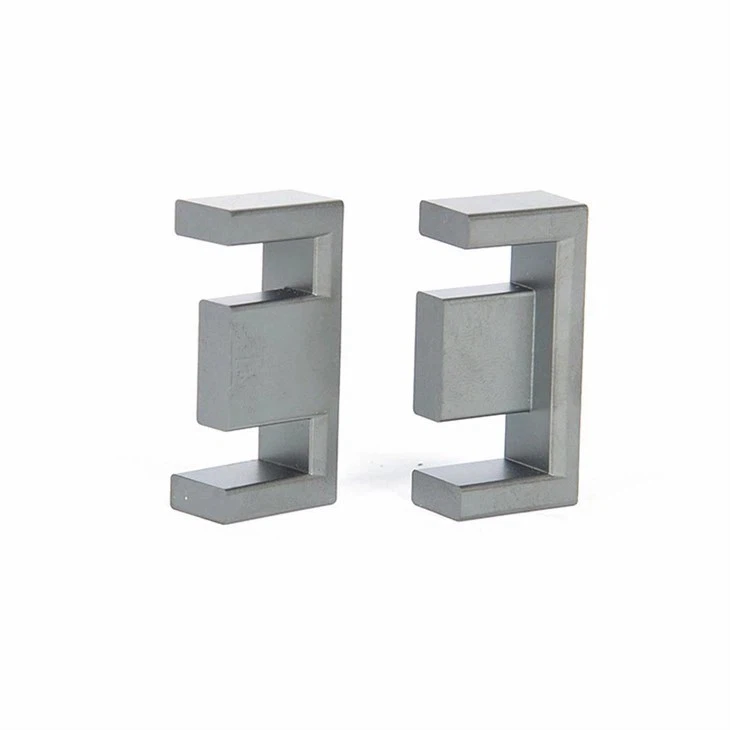
Chongqing Great Wall Technology Co., Ltd. is one of the leading manufacturers and suppliers of mn-zn ferrite core magnet in China, also supports customized service. Welcome to wholesale high quality mn-zn ferrite core magnet for sale here from our factory.
Mn-Zn Ferrite Core Magnet are a class of soft magnetic materials that have very good electrical, magnetic and optical properties. The properties of MnZn ferrites include high value of resistivity, permeability, permittivity, saturation magnetization, low power losses and coercivity.Ap
Why Choose Us
Expertise And Experience
Our team of experts have years of experience in delivering high quality services to our clients. We hire only the best professionals who have a proven track record of delivering exceptional results.
Competitive Pricing
We offer competitive pricing for our services without compromising on quality. Our prices are transparent, and we do not believe in hidden charges or fees.
Customer Satisfaction
We are committed to delivering high quality services that exceed our clients' expectations. We strive to ensure that our clients are satisfied with our services and work closely with them to ensure their needs are met.
One-Stop Service
We promise to provide you with the fastest reply, the best price, the best quality, and the most complete after-sales service.
Mn-Zn ferrite core magnets have several advantages, including.
Moderately strong magnetic field: They generate magnetic fields that are stronger than ferrite or alnico magnets but weaker than neodymium iron boron permanent magnets.
Low cost: Mn-Zn ferrite core magnets are relatively inexpensive compared to other magnetic materials.
Good temperature stability: They have good temperature stability and can maintain their magnetic properties at temperatures below their Curie temperature.
Versatile applications: These magnets are widely used in transformers, inductors, motors, and magnetic recording devices due to their moderate magnetic properties and low cost.
Mn-Zn ferrite core magnets are a cost-effective alternative for applications that require moderate magnetic properties.
What are the Main Ingredients in Mn-Zn Ferrite Core Magnets?
Mn-Zn ferrite core magnets are composed of manganese (Mn), zinc (Zn), and iron (Fe) oxide. These three elements are the primary ingredients in the production of these magnets. Other elements may also be present in small amounts to modify the magnetic properties or enhance certain characteristics of the magnet.
The combination of manganese, zinc, and iron oxide forms a ferrite crystal structure, which gives these magnets their magnetic properties. The exact composition and proportion of the ingredients can vary depending on the specific application and desired magnetic properties of the magnet. By adjusting the concentration of manganese and zinc, the magnetic properties of the ferrite can be tailored to achieve different magnetic strengths and Curie temperatures.
Mn-Zn ferrite core magnets are relatively inexpensive, have good magnetic properties, and are widely used in various applications, including transformers, inductors, motors, and magnetic recording devices. If you have any specific questions about the composition or properties of Mn-Zn ferrite core magnets, I'd be happy to provide more information.
How Are Mn-Zn Ferrite Core Magnets Manufactured?
Mn-Zn ferrite core magnets are manufactured through a process called powder metallurgy, which involves several key steps.
Raw Material Preparation: The raw materials for Mn-Zn ferrite are manganese oxide (MnO), zinc oxide (ZnO), iron oxide (Fe2O3), and a binder. These materials are weighed and mixed together in precise proportions to achieve the desired magnetic properties.
Ball Milling: The mixture is then subjected to ball milling, where it is ground into a fine powder. This process breaks down the larger particles into finer ones, ensuring a uniform particle size distribution.
Granulation: After ball milling, the powder is granulated to form small pellets or granules. This step helps in controlling the flow of the powder during the pressing stage and improves the final shape of the magnet.
Pressing: The granulated powder is pressed into the desired shape under high pressure. This can be done using either isostatic pressing, where the powder is subjected to equal pressure from all directions, or uniaxial pressing, where the pressure is applied along one axis. The pressure compacts the powder and forms a "green" body, which is porous and has the basic shape of the final product.
Sintering: The green body is then sintered in a furnace at temperatures exceeding 1000°C (1832°F). During sintering, the individual powder particles bond together, forming a dense and solid material. The sintering process also aligns the magnetic domains within the ferrite structure, enhancing the magnet's magnetic properties.
Machining: After sintering, the magnet may require further machining to achieve precise dimensions or to remove any surface imperfections. Machining can be done using various techniques such as grinding, drilling, or cutting.
Coating: To protect the surface from corrosion and enhance handling properties, Mn-Zn ferrite magnets are often coated with a layer of epoxy resin, nickel,锌, or other protective coatings.
Magnetization: Finally, the magnets are magnetized by applying a strong magnetic field, which aligns the magnetic moments of the material, giving the magnet its permanent magnetic properties.
This manufacturing process results in Mn-Zn ferrite core magnets that have good temperature stability and moderate magnetic properties, making them suitable for a variety of applications such as electric motors, speakers, and transformers.

The magnetic field strength of Mn-Zn ferrite core magnets can vary depending on factors such as the composition, shape, and size of the magnet. However, these magnets are known for their moderate magnetic field strength. They generate magnetic fields that are weaker than those of neodymium iron boron permanent magnets but stronger than ferrite or alnico magnets.
The magnetic field strength of Mn-Zn ferrite core magnets is measured in units of tesla (T) or gauss (G). typical values for Mn-Zn ferrite core magnets can range from 0.1 T to 0.3 T, depending on the specific application and requirements.
It's important to note that the magnetic field strength of a magnet can be affected by temperature, demagnetization, and other factors. Additionally, the magnetic field strength may vary depending on the orientation and position of the magnet.
Mn-Zn ferrite core magnets can be affected by temperature, although the extent of the impact depends on the specific composition and properties of the magnet. Generally, ferrite magnets have a relatively low Curie temperature, which is the temperature at which the magnetic properties of the material start to degrade. As the temperature increases, the magnetic moment of the ferrite magnet decreases, leading to a reduction in its magnetic field strength. This effect becomes more pronounced at higher temperatures. However, the temperature dependence of ferrite magnets is relatively gradual, and they can still maintain their magnetic properties at temperatures below their Curie temperature.
Mn-Zn ferrite core magnets are often used in applications where moderate magnetic properties are required and temperature stability is not a critical factor. In some cases, ferrite magnets may be heat-treated to modify their magnetic properties or improve their resistance to temperature changes.
If temperature stability is a concern, other magnetic materials such as neodymium iron boron permanent magnets or samarium cobalt permanent magnets may be more suitable, as they have higher Curie temperatures and are less affected by temperature changes.

Mn-Zn ferrite core magnets, also known as hexaferrites, are a type of soft magnetic material composed of manganese and zinc. These materials are characterized by their high permeability, low hysteresis losses, and relatively high electrical resistivity. Due to these properties, Mn-Zn ferrite cores are widely used in a variety of electronic and electrical applications, including.
Power Transformers: Mn-Zn ferrite cores are used to manufacture power transformers for AC applications. Their high permeability allows for efficient energy transfer with minimal losses.
Pulse and RF Transformers: These ferrite cores are employed in pulse transformers and RF transformers due to their ability to handle high frequencies and their low loss.
Inductors: Mn-Zn ferrite cores are utilized in the construction of inductors for filtering, choking, and timing applications in electronic circuits.
Magnetic Shielding: They can be used to produce magnetic shielding materials that protect sensitive electronic components from external magnetic fields.
Current Transformers: These ferrite cores are also used in current transformers to measure and monitor high currents in electrical systems with minimal insertion loss.
Variable Autotransformers: Mn-Zn ferrite cores can be part of variable autotransformers, which allow adjustment of voltage levels in AC circuits.
Switched-mode Power Supplies (SMPS): In SMPS, these ferrite cores are used to construct the inductors and transformers necessary for efficient power conversion.
Magnetic Recording: Mn-Zn ferrite materials are used in the magnetic heads of tape recorders and other magnetic recording devices due to their excellent magnetic properties.
Antennas: These ferrite cores are used in the construction of loop antennas for AM radio receivers and other communication systems.
Mn-Zn ferrite cores are favored in these applications because of their combination of high magnetic performance and cost-effectiveness. Their high electrical resistivity also minimizes eddy current losses, which is particularly important at high frequencies.
Are There any Safety Considerations When Handling Mn-Zn Ferrite Core Magnets?
When handling Mn-Zn ferrite core magnets, there are a few safety considerations to keep in mind. Here are some general safety tips.
Magnet strength: Although the magnetic field strength of ferrite magnets is moderate compared to neodymium iron boron permanent magnets, they still pose a risk of magnetic attraction. Avoid getting fingers or other body parts caught between magnets or near magnetic objects, as they can be pinched or crushed.
Small parts: Mn-Zn ferrite core magnets may have small dimensions or sharp edges, so be cautious when handling them to prevent injury.
Storage and disposal: Store magnets in a secure location to prevent unauthorized access by children or others who may not be aware of the potential dangers.dispose of magnets properly to avoid potential harm to others or the environment.
Near electronic devices: Ferrite magnets can affect electronic devices such as credit cards, pacemakers, and hard drives. Keep magnets away from these devices to avoid potential damage or interference.
Working environment: When handling magnets in a work environment, follow safety procedures and use appropriate personal protective equipment (PPE) if necessary.
How Do Mn-zn Ferrite Core Magnets Compare In Cost To Other Magnetic Materials?
Mn-Zn ferrite core magnets, also known as hexaferrites, are generally considered to be one of the more economical options among permanent magnet materials. Their cost-effectiveness stems from the abundance of the raw materials (manganese and zinc) and the relatively straightforward manufacturing process involved in producing ferrite magnets.
When comparing Mn-Zn ferrite to other magnetic materials such as neodymium-iron-boron (NdFeB) magnets or samarium-cobalt (SmCo) magnets, Mn-Zn ferrite is significantly less expensive. NdFeB magnets are known for their high energy product and strong magnetic fields, but they come at a higher price point due to the rarity and cost of neodymium and cobalt. SmCo magnets also offer high performance but are even more expensive because of the scarcity of samarium and the complex manufacturing process.
Aluminum-nickel-cobalt (Alnico) magnets fall somewhere in the middle of the cost spectrum. They provide good magnetic stability and are less costly than SmCo but more expensive than ferrites.
The choice between different magnetic materials involves a balance between performance requirements and cost. For applications where high magnetic strength and performance are not critical, and cost is a major consideration, Mn-Zn ferrite is often the preferred choice. However, for applications requiring maximum magnetic energy and performance, such as electric motors, generators, and high-end consumer electronics, more expensive materials like NdFeB or SmCo might be necessary despite their higher cost.
Are Mn-Zn Ferrite Core Magnets Recyclable?


Mn-Zn ferrite core magnets are recyclable. These magnets are composed of mainly iron, manganese, and zinc, which are abundant elements in the earth's crust. Recycling Mn-Zn ferrite core magnets helps reduce waste and conserve resources.
Recycling of ferrite magnets typically involves crushing, grinding, and separation processes to recover the magnetic powder. The magnetic powder can then be used to produce new ferrite magnets or other magnetic products.
The recyclability of Mn-Zn ferrite core magnets depends on factors such as the purity of the magnetic powder and the presence of any contaminants. If the magnetic powder is contaminated or has been mixed with other materials, it may require additional processing to purify before it can be used again.
If you have a large amount of Mn-Zn ferrite core magnets that need to be recycled, it's recommended to contact a recycling facility or manufacturer that specializes in recycling magnetic materials. They can provide guidance on the proper recycling process and ensure that the magnets are properly handled and disposed of in an eco-friendly manner. Recycling Mn-Zn ferrite core magnets helps contribute to sustainable waste management and resource conservation.
Mn-Zn ferrite core magnets can have a slight impact on electronic devices, especially those that are sensitive to magnetic fields. Here are some potential effects of Mn-Zn ferrite core magnets on electronic devices.
Data corruption: Strong magnetic fields generated by ferrite magnets can potentially cause data corruption in magnetic storage media such as hard drives, magnetic tapes, or credit cards. This can result in loss of data or corruption of stored information.
Interference with electronics: Ferrite magnets can produce magnetic fields that may interfere with the operation of certain electronic devices, such as sensors, compasses, or GPS systems. This can lead to inaccurate readings or malfunctioning of the device.
EMI (Electromagnetic Interference): Strong magnetic fields can generate electromagnetic interference (EMI), which can affect the performance of nearby electronics. This can cause noise or signal interference in audio equipment, radios, or electronic circuits.
To minimize the impact of Mn-Zn ferrite core magnets on electronic devices, it's important to take the following precautions:
Keep magnets away from electronic devices: Avoid placing magnets near sensitive electronic equipment to reduce the risk of magnetic interference.
Store electronic devices properly: Store electronic devices in a shielded or magnetic-field-free environment to prevent exposure to magnetic fields.
Use shielded cables: Use shielded cables to reduce the effects of magnetic fields on electronic signals transmission.
Test and validate: Before using ferrite magnets in an electronic device, it's advisable to test and validate their impact on the device's performance to ensure compatibility and reliable operation.
Mn-Zn ferrite core magnets have moderate magnetic fields compared to other magnetic materials such as neodymium iron boron permanent magnets. However, even weak magnetic fields can have an impact on certain electronic devices, so it's important to take appropriate precautions to minimize the risk of interference or data corruption. If you have specific concerns about the impact of these magnets on a particular electronic device, it's recommended to consult the manufacturer's guidelines or perform tests to evaluate the potential effects.
Can Mn-Zn Ferrite Core Magnets Be Magnetized and Demagnetized?

Mn-Zn ferrite core magnets can indeed be magnetized and demagnetized. They are permanent magnets, which means they possess a stable magnetic field once they are magnetized. However, their ability to retain a magnetic charge is lower compared to other types of permanent magnets such as neodymium-iron-boron (NdFeB) or samarium-cobalt (SmCo) magnets due to their lower coercivity.
Magnetization of Mn-Zn ferrite magnets typically occurs during the manufacturing process, where they are exposed to a strong magnetic field that aligns their magnetic domains, resulting in a net magnetic moment. Once the material is fully magnetized, it becomes a permanent magnet.
Demagnetization can happen under certain conditions.
Heating: Exposing Mn-Zn ferrite magnets to temperatures above their Curie point (approximately 460°C for Mn-Zn ferrites) will cause the material to lose its magnetic properties as the thermal energy disrupts the alignment of the magnetic domains. Upon cooling below the Curie point, the material will not regain its original magnetization unless it is remagnetized.
Strong magnetic fields: Applying a magnetic field opposite to the direction of the magnet's polarity can gradually reduce its magnetic strength. If this opposing magnetic field is strong enough and applied for a sufficient duration, it can demagnetize the ferrite.
Physical Shock: Subjecting the magnet to physical impacts or vibrations can also lead to demagnetization, as it can disrupt the ordered arrangement of the magnetic domains within the material.
To restore the magnetization of an Mn-Zn ferrite magnet that has been demagnetized, one would need to re-expose it to a strong external magnetic field, a process known as remagnetization or recharging. This is often done using specialized equipment that can generate the required magnetic flux density.
It is worth noting that Mn-Zn ferrite magnets are generally more resistant to demagnetization than soft ferrite magnets due to their higher coercivity. This makes them suitable for applications where the magnet needs to maintain its magnetic properties over time without the need for constant re-magnetization.
Our Factory
Our magnets are mainly applied to motors and generators, such as Servo motors, Linear motors, Wind power generators, Automotive drive motors, Compressor motors, Audio equipment, Home theater, Instrumentation, Medical equipment, Automotive sensors, Wind turbines and Magnetic tools etc.

FAQ
Q: What is the composition of Mn-Zn ferrite?
Q: What are the characteristic properties of Mn-Zn ferrite?
Q: What are the common applications of Mn-Zn ferrite cores?
Q: How does the temperature affect the performance of Mn-Zn ferrite cores?
Q: What is the difference between Mn-Zn ferrite and Ni-Zn ferrite?
Q: Can Mn-Zn ferrite cores be used in high-frequency applications?
Q: Are there any environmental considerations for Mn-Zn ferrite cores?
Q: What is the difference between NiZn and MnZn ferrite?
Q: What is a ferrite core magnet?
Q: What is zinc ferrite used for?
Q: What is the permeability of manganese zinc ferrite?
Q: What are the different types of ferrite magnets?
Q: What is the permeability of MnZn ferrite?
Initial relative permeability (at 25 degrees Centigrade) can range from several hundred to twenty thousand.
Q: What is a disadvantage of a ferrite core?
Ge- nerally speaking, the advantage of this material is that it can have very high permeability and low losses, and can work at high frequencies. The disadvantage is that it is easily saturated (its saturation flux density is typically < 0.5 T).
Q: What is the magnetic property of zinc ferrite?
Q: Is manganese ferrite magnetic?
Q: Are ferrite magnets safe?
Q: Do ferrite cores actually work?
Q: Does ferrite have high permeability?
Q: What is a ferrite core also known as?
Hot Tags: mn-zn ferrite core magnet, China mn-zn ferrite core magnet manufacturers, suppliers, factory, MnZn Ferrite Core, MnZn Ferrite Toroid Core, Mn Zn Ferrite Core, ,