


As a reputable supplier of magnetic rotors, I understand the significance of proper storage for these essential components. Magnetic rotors are widely used in various industries, including automotive, aerospace, and manufacturing, due to their unique magnetic properties and ability to convert electrical energy into mechanical energy. In this blog post, I will share some valuable insights on how to store a magnetic rotor properly to ensure its longevity and optimal performance.
Understanding the Basics of Magnetic Rotors
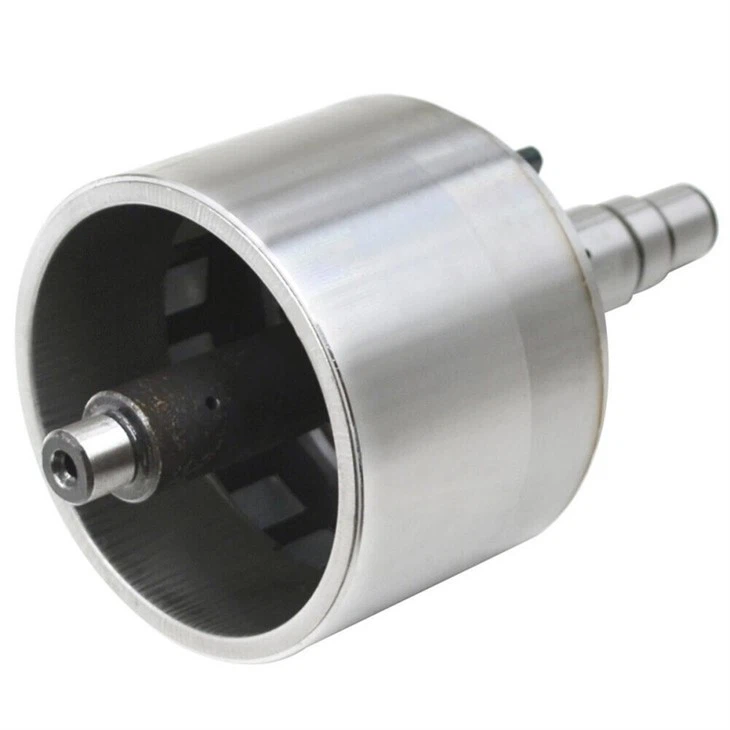
Before delving into the storage guidelines, it's essential to have a basic understanding of magnetic rotors. Magnetic rotors are typically composed of a core made of ferromagnetic material, such as iron or steel, and permanent magnets attached to the core. These magnets create a magnetic field that interacts with the stator's magnetic field, causing the rotor to rotate.
There are different types of magnetic rotors available in the market, each with its own unique characteristics and applications. Some common types include the Flywheel Magnet Rotor, Neodymium Magnet Rotor, and AC Motor Magnetic Rotor. Understanding the specific type of magnetic rotor you are dealing with is crucial for determining the appropriate storage conditions.
Factors Affecting Magnetic Rotor Storage
Several factors can affect the storage of magnetic rotors, including temperature, humidity, magnetic fields, and mechanical stress. Let's take a closer look at each of these factors:
Temperature
Extreme temperatures can have a significant impact on the performance and lifespan of magnetic rotors. High temperatures can cause the magnets to lose their magnetic properties, a phenomenon known as demagnetization. On the other hand, low temperatures can make the magnets brittle and more prone to cracking. Therefore, it's essential to store magnetic rotors in a temperature-controlled environment within the recommended range specified by the manufacturer.
Humidity
Humidity can also pose a threat to magnetic rotors, especially if they are made of materials that are susceptible to corrosion. Moisture can cause rust and oxidation, which can damage the magnets and the rotor's core. To prevent moisture damage, it's important to store magnetic rotors in a dry environment with low humidity levels. Using desiccants or moisture-absorbing materials can also help maintain a dry storage environment.
Magnetic Fields
Magnetic rotors are sensitive to external magnetic fields, which can interfere with their magnetic properties and cause demagnetization. Therefore, it's crucial to store magnetic rotors away from other magnetic sources, such as large electrical appliances, magnets, and magnetic storage devices. If possible, store magnetic rotors in a magnetic shielding container to minimize the effects of external magnetic fields.
Mechanical Stress
Mechanical stress can also damage magnetic rotors, especially if they are subjected to excessive vibration, shock, or impact during storage or transportation. To prevent mechanical damage, it's important to handle magnetic rotors with care and store them in a secure and stable location. Using protective packaging materials, such as foam or rubber, can also help cushion the rotors and prevent them from being damaged.
Proper Storage Guidelines for Magnetic Rotors
Based on the factors mentioned above, here are some general guidelines for storing magnetic rotors properly:
Clean the Rotors
Before storing magnetic rotors, it's important to clean them thoroughly to remove any dirt, debris, or contaminants that may have accumulated on the surface. Use a mild detergent and a soft cloth to clean the rotors, and avoid using abrasive materials or solvents that may damage the magnets or the rotor's core.
Inspect the Rotors
After cleaning the rotors, inspect them carefully for any signs of damage or wear. Look for cracks, chips, or other defects in the magnets or the rotor's core, and replace any damaged components if necessary. It's also a good idea to check the magnetic strength of the rotors using a magnetometer to ensure that they are still within the acceptable range.

Choose the Right Storage Location
Select a storage location that is clean, dry, and temperature-controlled. Avoid storing magnetic rotors in areas that are prone to flooding, extreme temperatures, or high humidity levels. If possible, store the rotors in a dedicated storage cabinet or rack to keep them organized and protected.
Use Protective Packaging
To prevent mechanical damage during storage and transportation, it's important to use protective packaging materials, such as foam, rubber, or cardboard boxes. Wrap the rotors individually in protective materials and place them in a sturdy box or container. Make sure to label the box with the type of rotor, the quantity, and any other relevant information.
Store the Rotors Properly
When storing magnetic rotors, it's important to keep them in a stable and secure position to prevent them from moving or shifting. Avoid stacking the rotors on top of each other, as this can cause mechanical stress and damage the magnets. Instead, store the rotors in a horizontal position or use a storage rack that is designed specifically for magnetic rotors.
Monitor the Storage Conditions
Regularly monitor the storage conditions to ensure that they are within the recommended range. Check the temperature and humidity levels using a thermometer and a hygrometer, and make any necessary adjustments to the storage environment. It's also a good idea to inspect the rotors periodically for any signs of damage or wear.
Conclusion
Proper storage of magnetic rotors is essential for maintaining their performance and lifespan. By following the guidelines outlined in this blog post, you can ensure that your magnetic rotors are stored in a safe and secure environment, free from the effects of temperature, humidity, magnetic fields, and mechanical stress.
If you have any questions or need further information about magnetic rotor storage or any other aspect of magnetic rotors, please feel free to contact us. We are a leading supplier of high-quality magnetic rotors, and we are committed to providing our customers with the best possible products and services. Whether you are looking for a Flywheel Magnet Rotor, Neodymium Magnet Rotor, or AC Motor Magnetic Rotor, we have the expertise and experience to meet your needs. Contact us today to discuss your requirements and learn more about our products and services.
References
- Handbook of Magnetic Materials, edited by Karl H. J. Buschow
- Magnetic Materials and Their Applications, by David Jiles
- Magnetic Fields: A Comprehensive Introduction, by David K. Cheng


