


Hey there! As a supplier of Alnico Ring Magnets, I've seen my fair share of issues when it comes to these nifty little things cracking. It's a pain in the neck, not just for us suppliers but also for you, the customers. So, I thought I'd share some tips on how to prevent Alnico ring magnets from cracking.
Understanding Alnico Ring Magnets
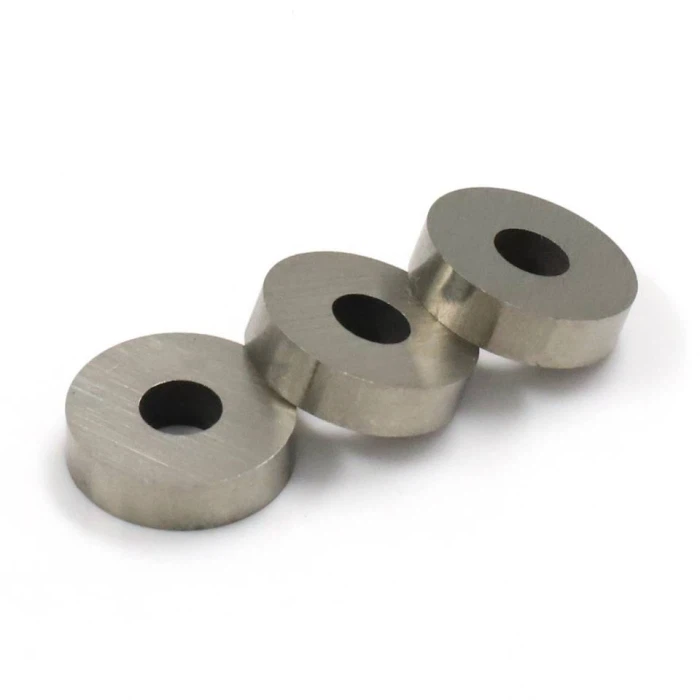
First off, let's talk a bit about what Alnico ring magnets are. Alnico is an alloy made up of aluminum (Al), nickel (Ni), and cobalt (Co), along with some other elements. These magnets are known for their high magnetic strength and good temperature stability. They're used in a wide range of applications, from electric motors and generators to sensors and loudspeakers. You can find out more about them on our Alnico Ring Magnet page.
Why Do Alnico Ring Magnets Crack?
Before we get into the prevention methods, it's important to understand why these magnets crack in the first place. There are a few common reasons:
Thermal Stress
Alnico magnets have a relatively high coefficient of thermal expansion. This means that when they're exposed to rapid temperature changes, they can expand or contract quickly. This rapid expansion or contraction can create internal stress within the magnet, leading to cracks. For example, if you take a magnet that's been stored in a cold environment and suddenly expose it to a high - temperature environment, it's at risk of cracking.
Mechanical Impact
These magnets are brittle, and a strong mechanical impact can easily cause them to crack. Dropping a magnet, hitting it with a hard object, or applying excessive force during installation can all lead to cracks.
Improper Machining
During the manufacturing process, if the machining is not done correctly, it can introduce stress concentrations in the magnet. This can make the magnet more prone to cracking, especially under normal operating conditions.
Prevention Methods
Temperature Management
One of the most important things you can do to prevent cracking is to manage the temperature of the magnets. Here are some tips:
- Gradual Temperature Changes: Avoid exposing the magnets to rapid temperature changes. If you need to change the temperature of the magnet, do it gradually. For example, if you're moving a magnet from a cold storage area to a warmer working environment, let it warm up slowly.
- Insulation: Use insulation materials to protect the magnets from extreme temperatures. This can help to maintain a more stable temperature around the magnet and reduce the risk of thermal stress.
- Thermal Monitoring: In applications where the temperature can vary significantly, consider using thermal monitoring devices. This way, you can keep an eye on the temperature and take appropriate action if it gets too high or too low.
Handling and Installation
Proper handling and installation are crucial to prevent mechanical damage to the magnets.
- Gentle Handling: Always handle the magnets gently. Avoid dropping them or hitting them against hard surfaces. When moving the magnets, use appropriate tools and equipment to ensure a smooth transfer.
- Proper Installation: Follow the manufacturer's installation instructions carefully. Make sure that the magnet is installed in a way that minimizes stress. For example, use proper mounting hardware and ensure that the magnet is properly aligned.
- Shock Absorption: In applications where the magnet may be subject to vibrations or shocks, use shock - absorbing materials. This can help to reduce the impact on the magnet and prevent cracking.
Quality Manufacturing
As a supplier, we take great care in the manufacturing process to ensure the quality of our magnets. However, you can also play a role in ensuring that you're getting high - quality magnets.
- Choose a Reputable Supplier: Make sure you're buying from a supplier with a good reputation for quality. A reliable supplier will have strict quality control measures in place during the manufacturing process.
- Inspect the Magnets: Before using the magnets, inspect them carefully for any signs of damage or stress. If you notice any cracks or other defects, don't use the magnet and contact the supplier.
Other Related Magnets
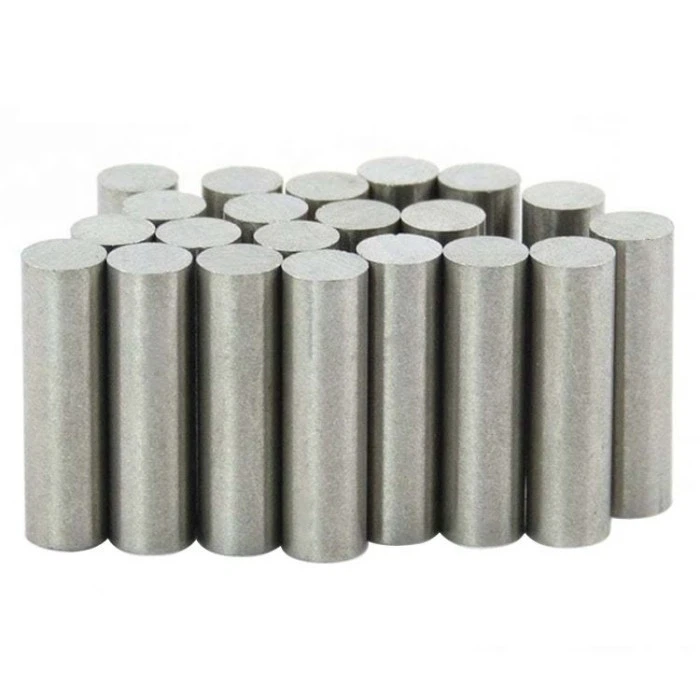
Alnico ring magnets are just one type of Alnico magnet. We also offer Alnico Rod Magnet and Alnico Disc Magnet. The same principles of preventing cracking apply to these magnets as well. They also have similar properties and are used in various applications.
Conclusion
Preventing Alnico ring magnets from cracking requires a combination of proper temperature management, careful handling and installation, and using high - quality magnets. By following these tips, you can extend the lifespan of your magnets and ensure that they perform well in your applications.
If you're interested in purchasing Alnico ring magnets or have any questions about preventing cracking, feel free to reach out to us. We're here to help you make the most of these great magnets.
References
- "Magnetics Handbook" - A comprehensive guide on magnetic materials and their properties.
- Industry research papers on the manufacturing and application of Alnico magnets.


