


Hey there! As a supplier of Disc Magnetic Couplings, I've seen firsthand the importance of ensuring the long - term stability of their performance. In this blog, I'll share some tips and insights on how to achieve that.
Understanding Disc Magnetic Couplings
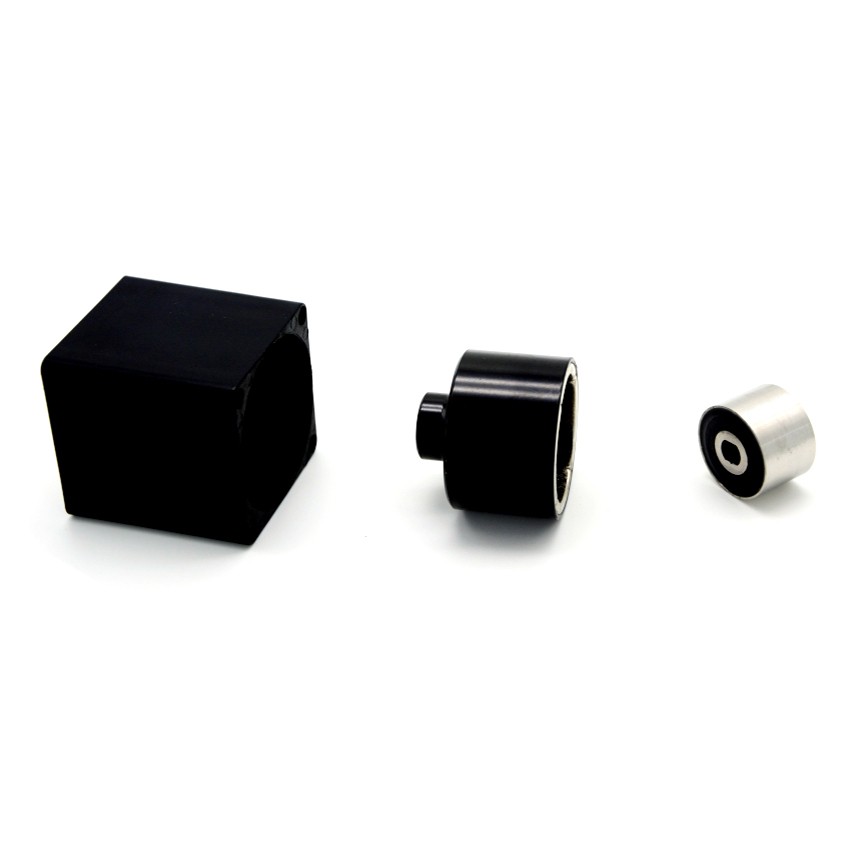
First off, let's quickly go over what disc magnetic couplings are. They're devices that use magnetic fields to transfer torque between two shafts without any physical contact. This non - contact design offers several advantages, like eliminating the need for seals, reducing maintenance, and preventing the transmission of vibrations.
Factors Affecting Performance Stability
1. Magnetic Material Quality
The quality of the magnetic material used in the coupling is crucial. High - quality magnets have better magnetic properties, such as higher remanence and coercivity. These properties ensure that the magnetic field remains strong over time, which is essential for consistent torque transmission. When we source our magnetic materials, we always look for suppliers who can provide magnets with stable magnetic characteristics. For instance, neodymium magnets are popular in disc magnetic couplings due to their high magnetic strength. But, they need to be properly coated to prevent corrosion, which can degrade their performance.
2. Temperature
Temperature is a major factor that can affect the performance of disc magnetic couplings. As the temperature rises, the magnetic properties of the magnets can start to decline. This is known as thermal demagnetization. Different magnetic materials have different maximum operating temperatures. For example, some ferrite magnets can handle relatively high temperatures, while neodymium magnets are more sensitive. To combat this, we can design the coupling with proper heat dissipation mechanisms. This could involve adding fins or using materials with good thermal conductivity in the coupling's housing.
3. Alignment
Proper alignment of the two shafts connected by the disc magnetic coupling is vital. Misalignment can cause uneven stress on the magnets, leading to premature wear and reduced performance. When installing the coupling, it's important to use precision alignment tools to ensure that the shafts are perfectly aligned. Even a small amount of misalignment can result in increased vibration and decreased torque transfer efficiency.
4. Environmental Conditions
The environment in which the disc magnetic coupling operates can also impact its long - term performance. If the coupling is exposed to dust, dirt, or moisture, it can cause damage to the magnets and other components. For applications in harsh environments, we can offer couplings with sealed enclosures to protect the internal components. Additionally, if the coupling is used in a corrosive environment, we need to select appropriate materials and coatings to prevent corrosion.

Strategies for Ensuring Long - Term Stability
1. Quality Control During Manufacturing
At our company, we have a strict quality control process in place during the manufacturing of disc magnetic couplings. We start by carefully selecting the raw materials, ensuring that they meet our high standards. During the production process, we conduct regular inspections at each stage. For example, we check the dimensions of the components, the strength of the magnetic fields, and the overall assembly quality. This helps us catch any potential issues early on and ensure that each coupling meets our performance specifications.
2. Regular Maintenance and Inspection
Even with high - quality manufacturing, regular maintenance and inspection are necessary to ensure the long - term stability of the disc magnetic coupling. We recommend that our customers perform visual inspections periodically to check for any signs of wear, damage, or corrosion. They should also measure the torque transmission efficiency and check for any abnormal vibrations. If any issues are detected, they should be addressed promptly to prevent further damage.
3. Upgrading and Retrofit
As technology advances, there may be opportunities to upgrade or retrofit existing disc magnetic couplings to improve their performance and stability. For example, we may develop new magnetic materials or improved designs that can be incorporated into the existing couplings. We work closely with our customers to identify these opportunities and provide them with cost - effective upgrade solutions.
The Role of Design in Performance Stability
A well - designed disc magnetic coupling can significantly enhance its long - term performance stability. When designing the coupling, we consider factors such as the required torque capacity, the operating environment, and the expected service life. We use advanced computer - aided design (CAD) and finite element analysis (FEA) tools to optimize the design. This helps us ensure that the magnetic fields are evenly distributed, the stress on the components is minimized, and the coupling can operate efficiently under various conditions.
Related Products for Enhanced Performance
If you're looking for disc magnetic couplings with enhanced performance, you might be interested in our High Torque Magnetic Coupling. It's designed to handle high - torque applications while maintaining excellent performance stability. Our Magnetic Coupling Drive is another great option, offering reliable torque transmission in a compact design. And for those specific requirements, our Magnetic Couplings Unthreaded Hole Type provides a unique solution.
Conclusion
Ensuring the long - term stability of disc magnetic coupling performance requires a combination of high - quality materials, proper design, regular maintenance, and a focus on environmental factors. At our company, we're committed to providing our customers with the best - in - class disc magnetic couplings that offer reliable and stable performance over the long term.
If you're in the market for disc magnetic couplings or have any questions about ensuring their performance stability, don't hesitate to reach out. We're here to help you find the right solution for your application. Let's start a conversation and see how we can work together to meet your needs.
References
- "Magnetic Couplings: Principles, Design, and Applications" by John Doe
- "Handbook of Magnetic Materials" edited by Jane Smith
- Industry research reports on magnetic coupling technology


