


As a seasoned supplier of Alnico Ring Magnets, I understand the critical importance of magnetic field uniformity in these specialized magnets. Alnico Ring Magnets are widely used in various applications, from sensors and motors to aerospace and medical devices. Ensuring their magnetic field uniformity is not only a matter of product quality but also a key factor in the performance and reliability of the end products. In this blog, I'll share some effective methods for checking the magnetic field uniformity of Alnico Ring Magnets.
Understanding Alnico Ring Magnets
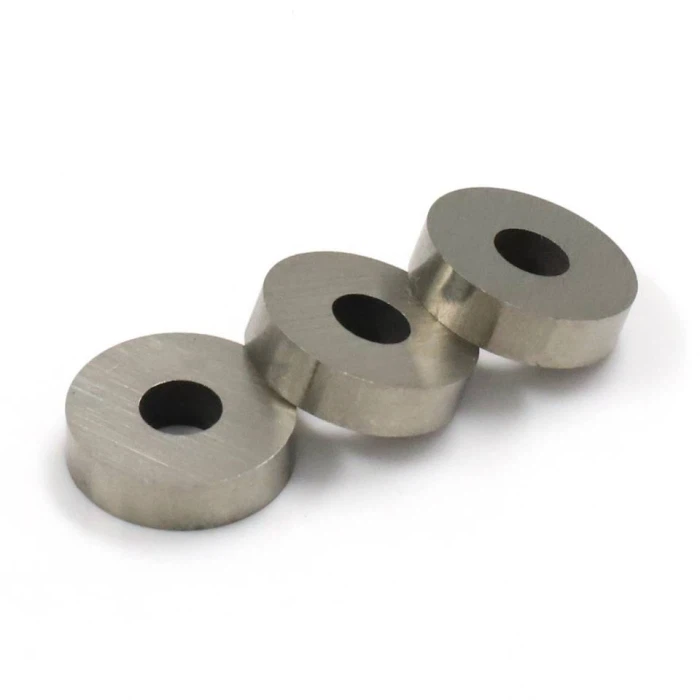
Before diving into the checking methods, let's briefly understand what Alnico Ring Magnets are. Alnico is an alloy composed mainly of aluminum (Al), nickel (Ni), and cobalt (Co), along with other elements such as iron, copper, and titanium. These magnets are known for their high residual magnetic flux density, excellent temperature stability, and good corrosion resistance. Alnico Ring Magnets, in particular, have a circular shape with a hole in the center, which makes them suitable for applications where a central passage or a specific magnetic field distribution is required.
You can learn more about our Alnico Disc Magnet, Alnico Ring Magnet, and Alnico Rod Magnet on our website.
Importance of Magnetic Field Uniformity
Magnetic field uniformity refers to the consistency of the magnetic field strength and direction across the surface or volume of a magnet. In many applications, such as magnetic resonance imaging (MRI) machines and precision sensors, even a slight deviation in magnetic field uniformity can lead to inaccurate measurements, reduced performance, or even system failures. Therefore, it is crucial to ensure that Alnico Ring Magnets have a high degree of magnetic field uniformity before they are used in these applications.
Methods for Checking Magnetic Field Uniformity
Hall Effect Sensors
One of the most common and straightforward methods for measuring magnetic field strength is using Hall effect sensors. Hall effect sensors are based on the Hall effect, which states that when a current-carrying conductor is placed in a magnetic field, a voltage is generated perpendicular to both the current and the magnetic field. By measuring this voltage, the magnetic field strength can be determined.
To check the magnetic field uniformity of an Alnico Ring Magnet using Hall effect sensors, a grid of measurement points can be defined on the surface or within the volume of the magnet. The Hall effect sensor is then moved to each measurement point, and the magnetic field strength is recorded. By comparing the magnetic field strengths at different points, the uniformity of the magnetic field can be evaluated.
However, it should be noted that Hall effect sensors have some limitations. They are sensitive to temperature changes, which can affect the accuracy of the measurements. In addition, the size of the Hall effect sensor can also limit the spatial resolution of the measurements.
Gaussmeters
Gaussmeters are another type of instrument commonly used for measuring magnetic field strength. Gaussmeters typically use a probe to measure the magnetic field, and the measurement results are displayed on a digital screen. Similar to Hall effect sensors, gaussmeters can be used to measure the magnetic field strength at different points on the surface or within the volume of an Alnico Ring Magnet to evaluate its magnetic field uniformity.
Gaussmeters have the advantage of high accuracy and wide measurement range. However, they are usually more expensive than Hall effect sensors and may require more complex calibration procedures.
Magnetic Field Mapping Systems
For more detailed and accurate measurements of magnetic field uniformity, magnetic field mapping systems can be used. These systems typically consist of a set of sensors or probes that are arranged in a specific pattern to measure the magnetic field at multiple points simultaneously. The measurement data is then processed by a computer to generate a magnetic field map, which shows the distribution of the magnetic field strength and direction across the surface or volume of the magnet.
Magnetic field mapping systems can provide high-resolution and three-dimensional magnetic field information, which is very useful for analyzing the magnetic field uniformity of Alnico Ring Magnets. However, these systems are usually more expensive and require more advanced technical skills to operate.
Factors Affecting Magnetic Field Uniformity
In addition to the measurement methods, it is also important to understand the factors that can affect the magnetic field uniformity of Alnico Ring Magnets. Some of the main factors include:
Manufacturing Process
The manufacturing process of Alnico Ring Magnets can have a significant impact on their magnetic field uniformity. For example, variations in the alloy composition, heat treatment process, and machining accuracy can all lead to differences in the magnetic properties of the magnets. Therefore, it is crucial to ensure that the manufacturing process is carefully controlled to minimize these variations.
Magnet Shape and Size
The shape and size of the Alnico Ring Magnet can also affect its magnetic field uniformity. For example, magnets with irregular shapes or large aspect ratios may have more complex magnetic field distributions, which can make it more difficult to achieve uniform magnetic fields. In addition, the size of the magnet can also affect the measurement accuracy, as larger magnets may require more measurement points to ensure comprehensive coverage.
External Magnetic Fields
External magnetic fields can also interfere with the magnetic field of the Alnico Ring Magnet and affect its uniformity. Therefore, it is important to perform the magnetic field measurements in a shielded environment to minimize the influence of external magnetic fields.

Quality Control and Assurance
To ensure the magnetic field uniformity of Alnico Ring Magnets, a comprehensive quality control and assurance system should be established. This system should include the following aspects:
Incoming Material Inspection
Before the manufacturing process, the incoming raw materials should be inspected to ensure their quality and consistency. This includes checking the alloy composition, purity, and magnetic properties of the raw materials.
In-Process Inspection
During the manufacturing process, in-process inspections should be carried out at key stages to monitor the quality of the magnets. This includes checking the dimensions, surface finish, and magnetic properties of the magnets at different stages of production.
Final Product Testing
After the manufacturing process is completed, the final products should be tested to ensure their magnetic field uniformity meets the specified requirements. This can be done using the methods described above, such as Hall effect sensors, gaussmeters, or magnetic field mapping systems.
Conclusion
Checking the magnetic field uniformity of Alnico Ring Magnets is an important step in ensuring their quality and performance. By using appropriate measurement methods and establishing a comprehensive quality control and assurance system, we can ensure that our Alnico Ring Magnets meet the high standards required by various applications.
If you are interested in our Alnico Ring Magnets or have any questions about magnetic field uniformity, please feel free to contact us for more information and to discuss your specific requirements. We are committed to providing high-quality products and excellent customer service.
References
- "Magnetic Materials and Their Applications" by B. D. Cullity and C. D. Graham
- "Handbook of Magnetic Materials" edited by K. H. J. Buschow
- "Magnetism and Magnetic Materials" by David Jiles


