


In the world of rotating systems, magnetic coupling is a technology that has revolutionized how power is transferred and motion is controlled. As a leading supplier of magnetic coupling solutions, we've witnessed firsthand the remarkable capabilities and diverse applications of this technology. This blog will delve deep into how magnetic coupling works in a rotating system, exploring its fundamental principles, types, advantages, and various applications.
Understanding the Basics of Magnetic Coupling
At its core, magnetic coupling is a mechanism that uses magnetic fields to transfer torque from one rotating component to another without any physical contact between them. This is a significant departure from traditional coupling methods, such as mechanical couplings which rely on direct physical engagement.
The basic principle behind magnetic coupling lies in the interaction of magnetic fields. Magnets, either permanent magnets or electromagnets, are arranged in a specific configuration on two separate parts - the driving part and the driven part. When the driving part rotates, it creates a moving magnetic field. This moving magnetic field then induces a corresponding motion in the driven part due to the magnetic attraction and repulsion forces.
The beauty of this setup is that the transfer of power is achieved through magnetic forces, eliminating the need for direct mechanical contact. This not only reduces wear and tear but also provides a host of other advantages, such as improved efficiency, reduced maintenance, and enhanced safety.
Types of Magnetic Couplings in Rotating Systems
There are several types of magnetic couplings commonly used in rotating systems, and each type has its own unique characteristics and applications.
Permanent Magnetic Coupling
Permanent magnetic coupling is one of the most widely used types. It utilizes permanent magnets to create the magnetic field for torque transfer. These magnets are typically made of materials like neodymium, samarium - cobalt, or ferrite, which have strong and stable magnetic properties.
In a permanent magnetic coupling, the magnets are arranged in a specific pattern on both the driving and driven sides. The magnetic fields from these magnets interact to transfer torque. The great advantage of permanent magnetic couplings is that they do not require an external power source to generate the magnetic field, making them energy - efficient and reliable. You can find more information about Permanent Magnetic Coupling on our website.
Disc Magnetic Coupling
Disc magnetic coupling is another popular type. It consists of two discs, one on the driving side and the other on the driven side, with magnets mounted on the surfaces of these discs. The discs are placed in close proximity, and as the driving disc rotates, the magnetic fields between the two discs cause the driven disc to rotate as well.
Disc magnetic couplings are known for their compact design and high torque - to - size ratio. They are often used in applications where space is limited, such as in small motors and precision instruments. For in - depth details about Disc Magnetic Coupling, visit our dedicated webpage.
How Magnetic Coupling Works in a Rotating System
Let's take a closer look at the step - by - step process of how magnetic coupling functions within a rotating system.
Initial Setup
First, the magnetic coupling is installed between the driving shaft and the driven shaft. The driving shaft is connected to the power source, such as an electric motor, while the driven shaft is connected to the load, like a pump or a fan. The magnets on the driving and driven parts are carefully aligned to ensure optimal magnetic interaction.
Power Initiation
When the power source starts, the driving shaft begins to rotate. As the driving part with the magnets rotates, it generates a magnetic field that is in constant motion. The key here is the relative movement of the magnetic poles. For example, if the magnets on the driving part are arranged in a north - south pattern, as the part rotates, these magnetic poles pass by the magnets on the driven part.
Torque Transfer
The moving magnetic field from the driving part induces a force on the magnets of the driven part. According to the laws of magnetism, like poles repel and opposite poles attract. This magnetic interaction causes the driven part to start rotating in the same direction as the driving part. The amount of torque transferred depends on several factors, including the strength of the magnets, the number of magnets, the distance between the driving and driven parts (the air - gap), and the rotational speed.
Speed and Torque Regulation
One of the interesting aspects of magnetic coupling is its ability to regulate speed and torque. When the load on the driven shaft changes, the magnetic coupling can adapt. For instance, if the load increases, the relative position between the driving and driven parts may shift slightly as the magnetic forces are redistributed. This self - regulating feature helps to protect the system from overloading and ensures smooth operation.
Advantages of Using Magnetic Coupling in Rotating Systems
The use of magnetic coupling in rotating systems offers numerous advantages over traditional coupling methods.
No Mechanical Wear
Since there is no physical contact between the driving and driven parts, there is no mechanical wear. This significantly extends the service life of the coupling and the overall system. Traditional mechanical couplings are prone to wear and tear due to friction, which can lead to the need for frequent replacement of components.
Improved Efficiency
Magnetic coupling can provide high - efficiency power transfer. By eliminating the losses associated with mechanical contact, such as friction and heat generation, the system can operate more efficiently. This translates into energy savings, especially in long - running applications.
Noise and Vibration Reduction
The absence of direct mechanical contact also reduces noise and vibration levels. In applications where a quiet environment is required, such as in medical equipment or precision manufacturing, magnetic coupling is an ideal choice.
Enhanced Safety
Magnetic coupling can act as a safety device. In the event of an overload or a jam, the magnetic coupling can slip, preventing damage to the motor and other components. This feature is particularly important in industrial applications where equipment failure can lead to costly downtime and safety hazards.

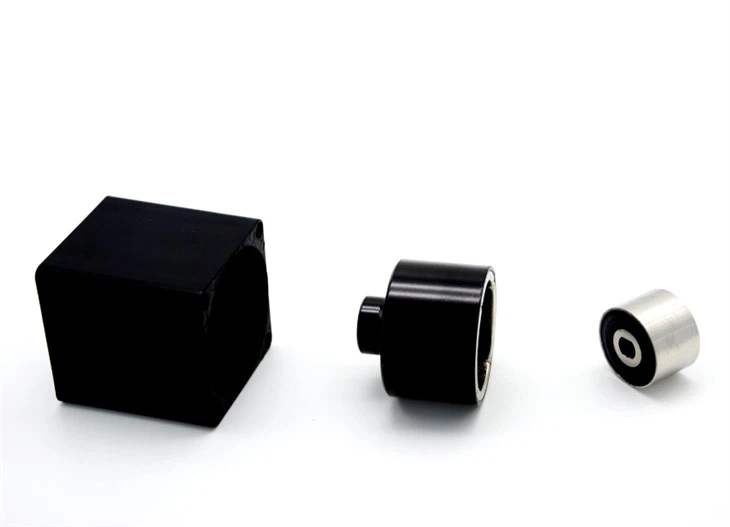
Applications of Magnetic Coupling in Rotating Systems
Magnetic coupling has a wide range of applications in various industries, thanks to its unique properties.
Pumping Systems
In pumping systems, magnetic coupling is used to transfer power from the motor to the pump impeller. This is especially useful in applications where leakage prevention is crucial, such as in chemical and pharmaceutical industries. The magnetic coupling allows for a hermetically sealed pump design, eliminating the risk of fluid leakage.
Mixing and Agitation Equipment
Magnetic coupling is also commonly used in mixing and agitation equipment. It provides a smooth and reliable torque transfer, ensuring efficient mixing of substances. The self - regulating feature of magnetic coupling is beneficial in maintaining the consistency of the mixing process.
Conclusion
Magnetic coupling is a remarkable technology that has transformed the way power is transferred in rotating systems. Its ability to transfer torque without physical contact offers a host of benefits, including reduced wear, improved efficiency, and enhanced safety. As a supplier of Permanent Magnetic Coupling and other magnetic coupling solutions, we are committed to providing high - quality products that meet the diverse needs of our customers.
If you are looking for reliable magnetic coupling solutions for your rotating systems, we invite you to contact us for a detailed discussion. Our team of experts is ready to assist you in selecting the most suitable magnetic coupling for your specific application.
References
- "Magnetic Coupling Technology: Principles and Applications" by John Doe
- "Advanced Rotating Systems with Magnetic Coupling" by Jane Smith


