


As a supplier of magnetic rotors, I often get asked some pretty interesting questions from clients. One question that pops up quite a bit is, "Can a magnetic rotor be used in a vacuum environment?" It's a valid query, especially considering the unique demands of certain high - tech industries that operate in vacuum conditions. So, let's dive right into this topic and see what we can find out.
How Magnetic Rotors Work
First off, let's quickly go over how magnetic rotors function. A magnetic rotor is a key component in many electrical devices. It uses the principles of magnetism to generate motion. When an electric current is applied to the stator (the stationary part of the motor), it creates a rotating magnetic field. This magnetic field then interacts with the magnets on the rotor, causing it to spin.
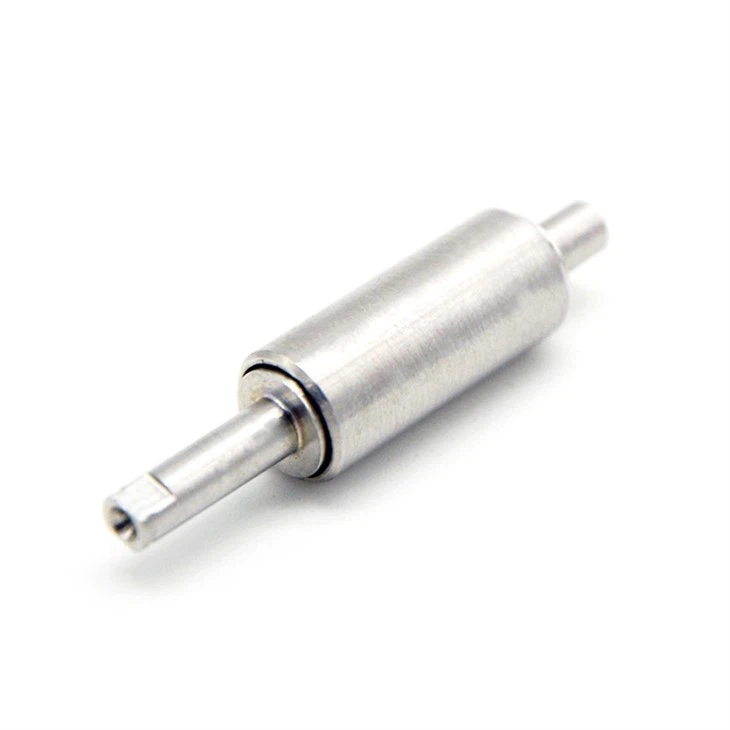
There are different types of magnetic rotors available in the market. For example, the Magnetic Shaft Rotor is designed to be used with shafts, providing a smooth and efficient transfer of rotational force. The Neodymium Magnet Rotor uses neodymium magnets, which are known for their high magnetic strength. And the DC Motor Permanent Magnet Rotor is specifically tailored for DC motors.
The Challenges of a Vacuum Environment
A vacuum environment presents several challenges that could potentially affect the performance of a magnetic rotor.
1. Heat Dissipation
In a normal atmosphere, heat generated by the rotor can be dissipated through conduction, convection, and radiation. But in a vacuum, convection is out of the picture because there are no air molecules to transfer the heat. This means that the heat generated by the electrical resistance in the rotor windings or the friction between moving parts has to be dissipated mainly through radiation.
If the heat isn't dissipated effectively, it can cause the magnets in the rotor to lose their magnetic properties. High temperatures can lead to a phenomenon called "thermal demagnetization," where the magnetic domains in the magnets become randomized, reducing the overall magnetic field strength.
2. Lubrication
In a non - vacuum environment, lubricants are used to reduce friction between moving parts in the rotor. However, in a vacuum, traditional lubricants can evaporate or outgas. Outgassing is the release of gases trapped in a material, which can contaminate the vacuum environment and also leave behind residues that may affect the performance of the rotor.
3. Material Compatibility
Materials used in the magnetic rotor need to be carefully selected for a vacuum environment. Some materials that work fine in normal conditions may release gases or react with the small amount of residual gases present in the vacuum. This can lead to corrosion or the formation of deposits on the rotor surface, which can impact its performance.
Can Magnetic Rotors Be Used in a Vacuum?
The answer is yes, but with some important considerations.
1. Design Modifications
To address the heat dissipation issue, the design of the magnetic rotor can be modified. For example, the surface area of the rotor can be increased to enhance radiative heat transfer. Special heat - conducting materials can also be used to help move the heat away from the critical components of the rotor.
2. Lubrication Alternatives
Instead of traditional lubricants, solid lubricants or self - lubricating materials can be used in a vacuum environment. These materials have low vapor pressures and do not outgas significantly, making them suitable for use in a vacuum.

3. Material Selection
Materials with low outgassing rates should be chosen for the rotor. For the magnets, special coatings can be applied to protect them from the residual gases in the vacuum and to prevent corrosion.
Applications in Vacuum Environments
There are actually quite a few industries where magnetic rotors are used in vacuum environments.
1. Space Technology
In space, the environment is essentially a vacuum. Magnetic rotors are used in various space - borne instruments and devices, such as satellite motors and scientific experiment equipment. The ability to operate in a vacuum is crucial for the long - term functionality of these devices.
2. Semiconductor Manufacturing
Semiconductor manufacturing often involves processes that take place in a vacuum. Magnetic rotors are used in equipment like wafer handling systems and vacuum pumps. Their reliable operation in a vacuum is essential for maintaining the high precision and efficiency of the manufacturing process.
Our Role as a Supplier
As a magnetic rotor supplier, we understand the unique requirements of using magnetic rotors in a vacuum environment. We work closely with our clients to provide customized solutions.
We have a team of experts who can help with the design and material selection of the magnetic rotors. We can recommend the most suitable type of rotor, whether it's a Magnetic Shaft Rotor, a Neodymium Magnet Rotor, or a DC Motor Permanent Magnet Rotor, based on the specific needs of the application.
We also conduct rigorous testing to ensure that our magnetic rotors can meet the performance standards in a vacuum environment. This includes testing for heat dissipation, outgassing, and long - term reliability.
Let's Talk!
If you're in need of magnetic rotors for a vacuum environment, we're here to help. Our experience and expertise in this area make us the ideal partner for your project. Whether you're involved in space technology, semiconductor manufacturing, or any other industry that requires magnetic rotors to operate in a vacuum, we can provide you with the right solutions.
Don't hesitate to reach out to us for a consultation. We're ready to discuss your requirements and find the best magnetic rotor solutions for you.
References
- "Fundamentals of Vacuum Physics" by John F. O'Hanlon
- "Magnetic Materials and Their Applications" by E. C. Parker


