


In the realm of modern engineering and technology, magnetic rotors play a pivotal role in a wide array of applications, from small-scale electronic devices to large industrial machinery. As a supplier of magnetic rotors, I've witnessed firsthand the diverse requirements and unique characteristics of different types of magnetic rotors. This blog post aims to delve into the various types of magnetic rotors, exploring their features, applications, and the factors that set them apart.
Understanding the Basics of Magnetic Rotors
Before we dive into the different types, it's essential to understand what a magnetic rotor is and how it functions. A magnetic rotor is a component that rotates within a magnetic field, converting electrical energy into mechanical energy or vice versa. It typically consists of a core made of magnetic material, such as iron or steel, and permanent magnets or electromagnets attached to the core. When an electric current is applied to the rotor, it creates a magnetic field that interacts with the external magnetic field, causing the rotor to rotate.
Types of Magnetic Rotors
1. Magnetic Shaft Rotor
The Magnetic Shaft Rotor is a type of rotor that is commonly used in applications where precise control of rotation is required. It consists of a shaft with permanent magnets attached to it, which creates a magnetic field that interacts with the stator's magnetic field. This interaction causes the shaft to rotate, providing a smooth and efficient means of transferring mechanical energy.
One of the key advantages of the magnetic shaft rotor is its high torque density, which allows it to generate a large amount of torque in a compact size. This makes it ideal for use in applications such as robotics, electric vehicles, and industrial automation, where space is often limited. Additionally, the magnetic shaft rotor offers excellent speed control and low noise operation, making it a popular choice for applications that require precise and quiet performance.
2. Flywheel Magnet Rotor
The Flywheel Magnet Rotor is another type of magnetic rotor that is commonly used in applications where energy storage and transfer are required. It consists of a flywheel with permanent magnets attached to it, which stores energy in the form of rotational kinetic energy. When the flywheel is connected to a power source, it accelerates, storing energy in its rotating mass. When the power source is disconnected, the flywheel continues to rotate, releasing the stored energy and providing a source of power.
One of the main advantages of the flywheel magnet rotor is its high energy density, which allows it to store a large amount of energy in a relatively small space. This makes it ideal for use in applications such as uninterruptible power supplies (UPS), hybrid electric vehicles, and renewable energy systems, where energy storage is crucial. Additionally, the flywheel magnet rotor offers fast response times and high efficiency, making it a reliable and cost-effective solution for energy storage and transfer.
3. DC Motor Permanent Magnet Rotor
The DC Motor Permanent Magnet Rotor is a type of rotor that is commonly used in direct current (DC) motors. It consists of a core with permanent magnets attached to it, which creates a magnetic field that interacts with the stator's magnetic field. This interaction causes the rotor to rotate, providing a means of converting electrical energy into mechanical energy.
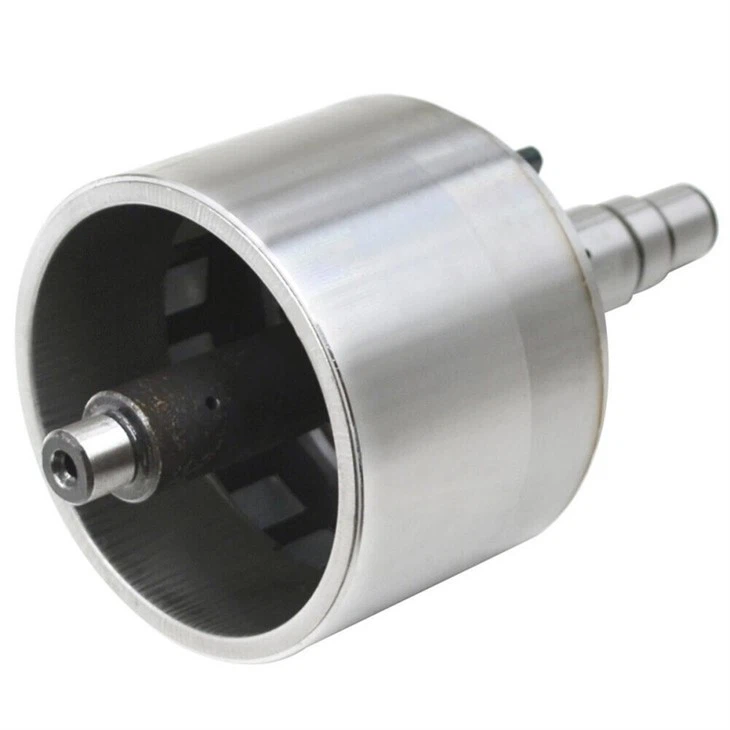

One of the key advantages of the DC motor permanent magnet rotor is its high efficiency, which allows it to convert a large percentage of the electrical energy into mechanical energy. This makes it ideal for use in applications such as electric fans, power tools, and automotive accessories, where energy efficiency is important. Additionally, the DC motor permanent magnet rotor offers excellent speed control and low maintenance requirements, making it a popular choice for a wide range of applications.
Factors Affecting the Performance of Magnetic Rotors
In addition to the type of magnetic rotor, several other factors can affect its performance. These factors include the magnetic material used, the design of the rotor, and the operating conditions.
Magnetic Material
The magnetic material used in the rotor plays a crucial role in determining its performance. Different magnetic materials have different magnetic properties, such as magnetic strength, coercivity, and remanence. The choice of magnetic material depends on the specific application requirements, such as the desired torque, speed, and efficiency.
Rotor Design
The design of the rotor also affects its performance. Factors such as the shape, size, and number of magnets used can have a significant impact on the magnetic field distribution and the overall performance of the rotor. A well-designed rotor can optimize the magnetic field distribution, reducing losses and improving efficiency.
Operating Conditions
The operating conditions, such as temperature, humidity, and vibration, can also affect the performance of the magnetic rotor. High temperatures can cause the magnetic material to lose its magnetic properties, while humidity can lead to corrosion and degradation of the rotor. Vibration can also cause mechanical stress on the rotor, leading to premature failure.
Conclusion
In conclusion, there are several different types of magnetic rotors, each with its own unique features and applications. The Magnetic Shaft Rotor is ideal for applications that require precise control of rotation, the Flywheel Magnet Rotor is suitable for energy storage and transfer, and the DC Motor Permanent Magnet Rotor is commonly used in DC motors. When choosing a magnetic rotor, it's important to consider the specific application requirements, as well as the factors that can affect its performance.
As a supplier of magnetic rotors, we understand the importance of providing high-quality products that meet the specific needs of our customers. We offer a wide range of magnetic rotors, including the ones mentioned above, and we can also customize rotors to meet your unique requirements. If you're interested in learning more about our magnetic rotors or would like to discuss your specific needs, please don't hesitate to contact us. We look forward to the opportunity to work with you and provide you with the best magnetic rotor solutions for your applications.
References
- [1] "Magnetic Materials and Their Applications" by E. C. Stoner and E. P. Wohlfarth
- [2] "Electric Motors and Drives: Fundamentals, Types, and Applications" by Austin Hughes and Bill Drury
- [3] "Handbook of Magnetic Materials" edited by K. H. J. Buschow


