



Chongqing Great Wall Technology Co., Ltd. is one of the leading manufacturers and suppliers of sintered neodymium iron boron permanent magnet in China, also supports customized service. Welcome to wholesale high quality sintered neodymium iron boron permanent magnet for sale here from our factory.
Sintered NdFeB (Neodymium Iron Boron) magnets are a type of permanent magnet made of an alloy of neodymium, iron, and boron. These magnets are known for their high magnetic strength, resistance to demagnetization, and relatively low cost compared to other high-performance magnets.
Why Choose Us
Expertise And Experience
Our team of experts have years of experience in delivering high quality services to our clients. We hire only the best professionals who have a proven track record of delivering exceptional results.
Competitive Pricing
We offer competitive pricing for our services without compromising on quality. Our prices are transparent, and we do not believe in hidden charges or fees.
Customer Satisfaction
We are committed to delivering high quality services that exceed our clients' expectations. We strive to ensure that our clients are satisfied with our services and work closely with them to ensure their needs are met.
One-Stop Service
We promise to provide you with the fastest reply, the best price, the best quality, and the most complete after-sales service.
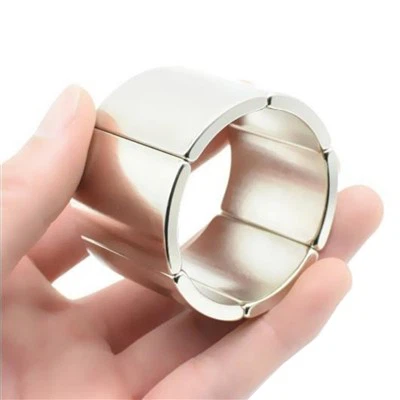
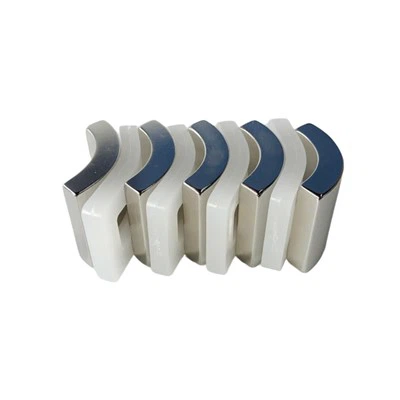


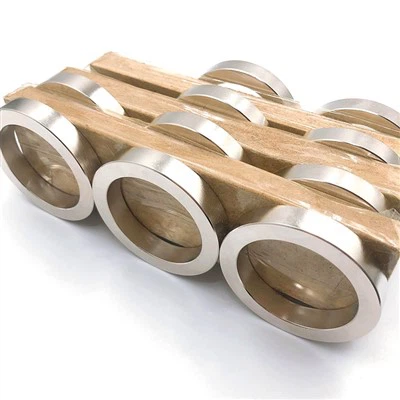


Let us talk about neodymium iron boron permanent magnets. NdFeB for short.
Alloys based on these three elements are used to create the most powerful permanent magnets available commercially.
What makes neodymium-based magnets so special?
NdFeB magnets generate very strong magnetic fields and are extremely resistant to demagnetisation. Through careful modification of the composition, using various additives, magnets capable of operating at above 200 degrees celsius can be created.
Where are they found?
Neodymium, iron and boron are all found in the earth's crust. Neodymium is known as a rare earth element, which is not rare at all, but the properties make it difficult to process. It can be found in appreciable quantities in, for example, China, Russia, United States, Brazil, India and Australia.
Neodymium is one of 17 chemical elements in the periodic table that are classed as rare earth elements.
How are NdFeB magnets made?
The raw materials are heated in an induction furnace melted and cast to give the alloy. Once cooled, the alloy is crushed and milled to create a coarse granular powder. The powder is then jet-milled to a fine size and pressed in a magnetic field to orientate the particles. After being pressed into their desired form, the compacts are sintered to full density coated (if required) and then finally magnetised.
What are they used for?
NdFeB magnets are used for a variety of applications including high performance motors, magnetic separation, magnetic resonance imaging, sensors, and loudspeakers. They have become increasingly popular in the last few years in the shift towards a greener future. Wind turbines, electric vehicles and electric bikes all rely on these magnets.
Do you have to be careful when handling a NdFeB magnet?
Yes. These magnets are seriously strong, you would not want your fingers trapped in the middle of them. You also need to keep them away from credit cards, watches, heart pacemakers and televisions as they can damage the magnetic field of certain items.
How Neodymium NdFeB Magnets are Made
The Method of Manufacture of Neodymium NdFeB Magnets (Neodymium Iron Boron Magnets) is as follows.
The Neodymium metal element is initially separated from refined Rare Earth oxides in an electrolytic furnace. The "Rare Earth" elements are lanthanoids (also called lanthanides), and the term arises from the uncommon oxide minerals used to isolate the elements. Although the term "Rare Earth" is used, it does not mean that the chemical elements are scarce. Rare Earth elements are abundant, e.g. Neodymium element is more common than gold. The Neodymium, Iron and Boron are measured and put in a vacuum induction furnace to form an alloy. Other elements are added, as required, for specific grades, e.g. Cobalt, Copper, Gadolinium and Dysprosium (e.g. to assist with corrosion resistance). The mixture is melted due to the high-frequency heating and melting.
In simplified terms, the "Neo" alloy is like a cake mixture, with each factory's recipe for each grade. The resultant melted alloy is then cooled to form ingots of alloy. The alloy ingots are then broken down by hydrogen decrepitation (HD) or hydrogenation disproportionation desorption and recombination (HDDR), and jet milled down in a nitrogen and argon atmosphere to a micron-sized powder (about 3 microns or less in size). This Neodymium powder is then fed into a hopper to allow the pressing of magnets.
Methods Of Pressing The Powder
There are three main methods of pressing the powder – axial and transverse pressing. Die pressing requires tooling to make a cavity slightly larger than the necessary shape (because sintering causes shrinkage of the magnet). The Neodymium powder enters the die cavity from the hopper and is then compacted in the presence of an externally applied magnetic field. The external field is either applied parallel to the compacting force (this axial pressing is not so standard) or perpendicular to the compaction direction (called transverse pressing). Transverse pressing gives higher magnetic properties for the Neodymium NdFeB Magnets.
The third method of pressing is isostatic pressing. The NdFeB powder is put into a rubber mould and into a sizeable fluid-filled container, increasing the fluid's pressure. Again, an external magnetising field is present, but the NdFeB powder is compacted from all sides. Isostatic pressing gives the best possible magnetic performance for Neodymium Iron Boron. The methods employed vary depending on the grade of "Neo" required and are decided by the manufacturer.
Magnetising Field
A solenoid coil set on either side of the compacting powder creates the external magnetising field. The magnetic domains of the NdFeB powder align with the applied magnetising field – the more homogenous the applied field, the more homogenous the magnetic performance of the Neodymium magnet. As the die presses the Neodymium powder, the direction of magnetisation is locked in place – the Neodymium magnet has been given a preferred direction of magnetisation. It is called anisotropic (if no external field were applied, it would be possible to magnetise the magnet in any direction, which is called isotropic, but the magnetic performance would be much lower than that of an anisotropic magnet and is usually confined to bonded magnets).
Rare Earth magnets exhibit uniaxial magnetocrystalline anisotropy, i.e. they have a unique axis crystal structure corresponding with the easy axis of magnetisation. In the case of Nd2Fe14B, the easy axis of magnetisation is the c-axis of the complex tetragonal structure. In the presence of an external magnetising field, it aligns along the c-axis, becoming capable of being fully magnetised to saturation with very high coercivity.
The Sintering Process
Before the pressed NdFeB magnet is released, it is given a demagnetising pulse to leave it unmagnetised. The compacted magnet is termed a 'green' magnet – it is easy to force to crumble apart, and its magnetic performance is not good. The 'green' Neodymium magnet is sintered to give it its final magnetic properties.
The sintering process is carefully monitored (a strict temperature and time profile have to be applied) and occurs in an inert (oxygen-free) atmosphere (e.g. argon). If oxygen is present, the resultant oxides destroy the magnetic performance of the NdFeB. The sintering process also causes shrinkage of the magnet as the powder fuses together. The shrinkage gives a magnet close to the required shape, but the shrinkage is usually uneven (e.g. a ring may shrink to become an oval).
At the end of the sintering process, a final rapid quench is applied to cool the magnet rapidly. This minimises the unwanted production of 'phases' (in simplified terms, variants of the alloy with poor magnetic properties) that occur below the sintering temperature. A rapid quench maximises the magnetic performance of NdFeB. Because the sintering process causes an uneven shrinkage, the shape of the Neodymium magnet will not be to the required dimensions.
Tolerances and Dimensions
The next stage is to machine the magnets to the required tolerances. Because machining is needed, the Neodymium magnets are made slightly larger when pressed, e.g. larger outer diameter, smaller inner diameter and taller for a ring magnet. Standard magnet dimensional tolerances are +/-0.1mm, although +/-0.05mm is achievable at extra cost. The possibility of even tighter tolerances depends on the shape and size of the magnet and may not be possible.
For note, the Neodymium magnet is rigid. Cutting holes in NdFeB with a standard drill or carbide tip will blunt the drill bit. Diamond-cutting tools (CNC diamond grinding wheels, diamond drills, etc.) and wire-cutting machines (EDM) must be used. The NdFeB swarf powder produced during machining needs to be cooled by liquid. Otherwise, it may spontaneously combust. For Neodymium block magnets, there may be cost savings in using much larger magnet blocks made by isostatic pressing and cutting them into smaller Neodymium blocks of the desired size. This is done for speed and mass production (where enough cutting and grinding machines are present) and is known as "slice and dice". Once the final dimensions for the magnet have been met by machining, the Neodymium magnet is given a protective coating. This is usually a Ni-Cu-Ni coating.
Coating
The magnet must be cleaned to remove any swarf/powder from machining. It is then dried thoroughly before being plated. It is imperative that the drying is thorough. Otherwise, water is locked into the plated Neodymium magnet, and the magnet will corrode from the inside out. The plating is very thin, e.g. 15-35 microns for Ni-Cu-Ni (1 micron is 1/1000mm).
The current range of coatings available are as follows:- Nickel-Copper-Nickel (Ni-Cu-Ni) [standard], Epoxy, Zinc (Zn), Gold (Au), Silver (Ag), Tin (Sn), Titanium (Ti), Titanium Nitride (TiN), Parylene C, Everlube, Chrome, PTFE ("Teflon"; white, black, grey, silvery), Ni-Cu-Ni plus Epoxy, Ni-Cu-Ni plus Rubber, Zn plus Rubber, Ni-Cu-Ni plus Parylene C, Ni-Cu-Ni plus PTFE, Tin (Sn) plus Parylene C, Zinc Chromate, Phosphate Passivation and Uncoated (i.e. bare – not recommended but is sometimes required by the customer).
Other coatings may be possible. It is not recommended to use the magnet without a protective layer.
Higher Hci Neodymium NdFeB magnets are said to be better at corrosion resistance, but this does not guarantee safe use when unplated. If necessary, plate the magnets after assembly (this is because any glue would adhere to the plating rather than the NdFeB magnet, so if the plating fails, the magnet becomes free). Removing the plating to allow better glue adhesion is possible. Still, corrosion resistance in the Neodymium magnet may be severely compromised during such a process unless great care is taken during assembly (protective sleeves may be worth considering to ensure the magnets stay in place, e.g. carbon fibre sleeve for rotors).
Sintered NdFeB Magnet Composition
Sintered NdFeB magnet contains three essential elements: rare earth neodymium, iron and boron. Nd atoms, coupling with ferromagnetic Fe atoms, help the magnet obtain high remanence Br and maximum energy product (BH)max, which makes it extraordinary compared with other permanent magnets. Although B element has only around 1 wt% in the magnet, it is necessary for the intermetallic phase stability, so the magnet has stable magnetic properties.
In commercial sintered NdFeB magnet, Nd element is usually partially substituted by other rare earth elements including praseodymium, dysprosium and terbium, etc. Because Nd and Pr elements usually coexist in ore and these two elements have similar physical and chemical properties, so it is more economic to produce PrNd alloy instead of pure Nd metal from ore and to use PrNd alloy as the raw material of magnet. As the Nd/Pr ratio in ore is around 4:1, so it is also around 4:1 in most commercial magnets. Dy and/or Tb element substitution for Nd element can remarkably increase the intrinsic coercivity Hcj or Hci due to their higher magnetocrystalline anisotropy field HA. The total content of Dy and Tb elements in the magnet is usually less than 10 wt% because of high cost and Br loss. In general, the total rare earth element content is around 30 wt% in the magnet, and its material cost accounts for around 70% of the magnet or even higher depending on specific rare earth element prices and contents.
Fe element can be substituted by some Co element to enhance the magnet thermal stability and corrosion resistance. Besides, a small amount of Al and Cu elements can be added to improve the magnet microstructure homogeneity to obtain higher Hcj and (BH)max.
In view of the scanning electron microscope (SEM) image, the darker gray areas are Nd2Fe14B grains, the average grain size is around 6-8 μm. The lighter gray areas surrounding the grains are Ni-rich grain boundaries, the average grain boundary thickness between adjacent grains is around 10 nm as shown in the transmission electron microscope (TEM) image.
http://www.advancedmagnets.com/wp-content/uploads/2018/12/sintered-ndfeb-magnet-microstructure-SEM-TEM.webp
In fact, the sintering process of sintered NdFeB magnet is a liquid phase sintering process. The grain boundary phase, with lower melting point than that of grain phase, will melt into liquid phase during sintering process and subsequent annealing process, it is vital to densify the magnet and improve its microstructure homogeneity for enhancing its magnetic properties.

The magnetic field strength of sintered neodymium iron boron permanent magnets can vary depending on factors such as the composition, shape, and size of the magnet. However, these magnets are known for their exceptionally high magnetic field strength. They can generate magnetic fields that are stronger than those of other magnetic materials, such as ferrite or alnico magnets.
The magnetic field strength of sintered neodymium iron boron permanent magnets is measured in units of tesla (T) or gauss (G). typical values for sintered neodymium iron boron permanent magnets can range from 1.0 T to 1.5 T, depending on the specific application and requirements.
It's important to note that the magnetic field strength of a magnet can be affected by temperature, demagnetization, and other factors. Additionally, the magnetic field strength may vary depending on the orientation and position of the magnet. If you need specific magnetic field strength values for a particular sintered neodymium iron boron permanent magnet, it's recommended to consult the manufacturer's specifications or perform measurements using a magnetic field meter or other suitable equipment.
Sintered neodymium iron boron (NdFeB) permanent magnets are indeed utilized in various medical applications due to their high magnetic strength and energy product. These magnets are composed of neodymium, iron, and boron, and they are manufactured through a process called sintering, which involves compacting and heating the powdered mixture under a high temperature to form a solid magnet.
The use of NdFeB magnets in medicine spans several areas, including.
Magnetic Resonance Imaging (MRI): MRI machines employ powerful superconducting magnets to generate detailed images of the inside of the human body. Although the primary magnets in MRIs are superconducting and not sintered NdFeB, NdFeB magnets can be found in certain components of the MRI system, such as gradient coils.
Particle Accelerators: In particle therapy for cancer treatment, NdFeB magnets are used in cyclotrons and synchrotrons to accelerate particles to high energies before directing them at tumors.
Linear Motors and Actuators: These are used in surgical instruments and robotic systems for precise control during minimally invasive surgeries. NdFeB magnets are preferred for their compact size and high output force per unit area.
Magnetic Stimulation: Transcranial magnetic stimulation (TMS) employs strong magnetic fields produced by NdFeB magnets to stimulate nerve cells in the brain and is used to treat certain mental health disorders like depression.
Immobilization Devices: Magnets can be used in braces and supports to immobilize limbs or joints during healing after injuries or surgery.
Separation and Sorting: NdFeB magnets are used in medical devices for separating blood components or sorting cells based on their magnetic properties.
When used in medical applications, the design and production of NdFeB magnets must adhere to stringent quality and safety standards to ensure compatibility with sensitive medical environments and patient safety. Additionally, the biocompatibility and potential toxicity of the materials used in the magnets must be carefully considered, especially if they come into contact with biological tissues or fluids.
Yes, sintered neodymium iron boron permanent magnets can be shaped into specific sizes and shapes. The manufacturing process of these magnets involves powder metallurgy, where magnetic powder is pressed into a mold and then sintered to form the final magnet. This process allows for the production of magnets in various shapes and sizes, including cylindrical, rectangular, square, and custom geometries.
During the manufacturing process, the magnetic powder is mixed with a binding agent to form a paste, which is then pressed into a mold. The mold can be designed to produce magnets in different shapes and sizes, depending on the specific requirements of the application. After pressing, the magnets are sintered in a high-temperature oven to bond the powder particles together and create a solid magnetic structure.
The ability to shape sintered neodymium iron boron permanent magnets into specific sizes and shapes makes them highly versatile and suitable for a wide range of applications. Custom-shaped magnets can be fabricated to fit specific equipment or assemblies, providing maximum magnetic performance and efficiency. If you have specific size and shape requirements for sintered neodymium iron boron permanent magnets, it's best to consult a manufacturer or supplier who can provide custom magnet solutions based on your needs.

Sintered NdFeB refers to a type of permanent magnet made from a combination of neodymium, iron, and boron powders, which are mixed together and then sintered (heated until they fuse together) to form a solid magnet. Sintered NdFeB magnets are known for their extremely high magnetic strength, which makes them useful in a wide range of applications, including computer hard drives, wind turbines, electric motors, and speakers.
Next is the introduction about the preparation process of sintered NdFeB magnets.
Raw material pretreatment.
Crushing, mixing, and pre-synthesis of raw materials such as neodymium, iron, and boron. During the crushing process, an air jet mill is usually used to crush the raw materials to an average particle size within the range of 3-5 μm. In the mixing process, mechanical or liquid-phase mixing can be used to evenly distribute the elements. The pre-synthesis process is mainly to improve the magnetic properties and reduce oxidation during subsequent sintering.
Pressing and forming.
The pre-treated raw material powder is pressed into the desired shape of the green compact using isostatic or uniaxial pressing methods. Organic binders and lubricants can be added to improve the forming performance.
Debinding and sintering.
The green compact is debinded to remove organic binders and lubricants. Debinding methods include thermal debinding, chemical debinding, and vacuum debinding. The sintering process is usually carried out in a vacuum or protective atmosphere sintering furnace, with a sintering temperature of generally 1080-1120℃ and a sintering time of 1-3 hours.
Magnetic field alignment and annealing.
The sintered magnet is aligned in a magnetic field to improve its magnetic properties. During the alignment process, the magnet is heated to about 850℃ in a high magnetic field (about 30-50 kOe), and then cooled to room temperature in the magnetic field. Annealing is mainly to eliminate stress and defects generated during the sintering process and is usually carried out in a vacuum or protective atmosphere furnace, with an annealing temperature of 450-550℃ and an annealing time of 2-10 hours. Machining, coating, and magnetization.
Sintered NdFeB
The magnet is machined by cutting and grinding to achieve the desired size and shape. Coating is usually performed using methods such as nickel plating, zinc plating, or gold plating to improve the magnet's corrosion resistance. Finally, the magnet is magnetized in a high magnetic field to achieve the desired magnetic pole distribution.
Our Factory
Our magnets are mainly applied to motors and generators, such as Servo motors, Linear motors, Wind power generators, Automotive drive motors, Compressor motors, Audio equipment, Home theater, Instrumentation, Medical equipment, Automotive sensors, Wind turbines and Magnetic tools etc.

FAQ
Q: What is Sintered Neodymium Iron Boron (NdFeB) Magnet?
Q: What are the Advantages of Sintered NdFeB Magnets?
Q: What are the Applications of Sintered NdFeB Magnets?
Q: What is the Maximum Operating Temperature for Sintered NdFeB Magnets?
Q: How do I Handle and Store Sintered NdFeB Magnets??
Q: Are Sintered NdFeB Magnets Environmentally Friendly?
Q: What Safety Precautions Should Be Taken When Working with Sintered NdFeB Magnets?
Q: Can neodymium bonded magnets be recycled?
Q: How should I clean neodymium bonded magnets?
Q: What are 3 methods of making magnets?
Magnets are made by exposing ferromagnetic metals like iron and nickel to magnetic fields. There are three methods of making magnets: (1) Single touch method (2) Double touch method (3) Using electric current.
Q: How can magnets be made artificially?
Q: How can you tell if something has been injection molded?
Q: Is injection molding expensive?
Q: How to make a magnet without electricity?
Q: What is the best method of making magnet?
Q: Can you make a magnet without using a magnetic material?
Q: What is the strongest magnet?
Q: Can a magnet pick up a battery?
Q: What is the best metal to use to make a magnet?
Q: How do you make electricity with only magnets?
Moving a magnet around a coil of wire, or moving a coil of wire around a magnet, pushes the electrons in the wire and creates an electrical current. Electricity generators essentially convert kinetic energy (the energy of motion) into electrical energy.
Hot Tags: sintered neodymium iron boron permanent magnet, China sintered neodymium iron boron permanent magnet manufacturers, suppliers, factory, Neodymium Disc Magnets, , , , Soft Magnetic Composite Materials, Halbach Array Magnet






