


Hey there! As a supplier of magnetic couplings, I've been getting tons of questions about the heat generation mechanism in these nifty devices. So, I thought I'd take some time to break it down for you all.
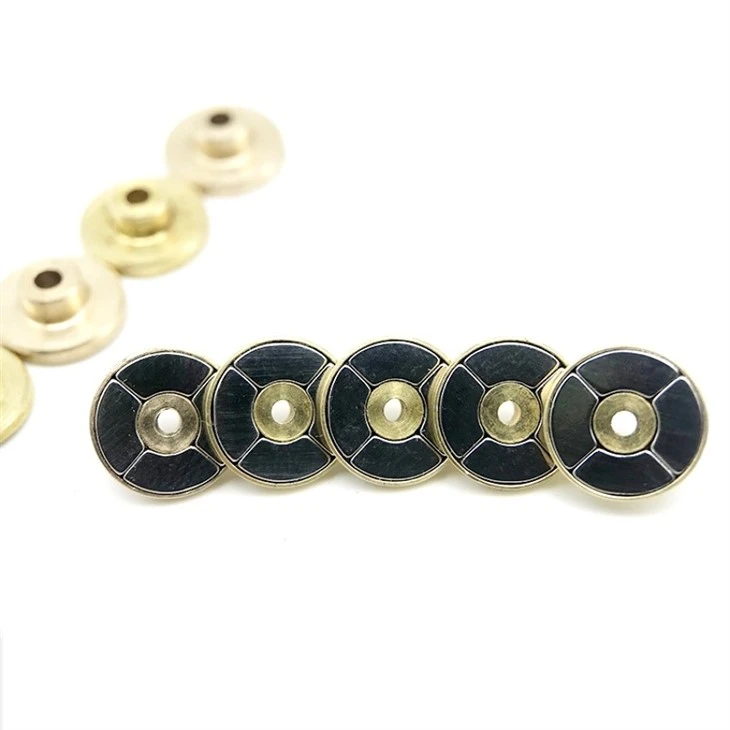
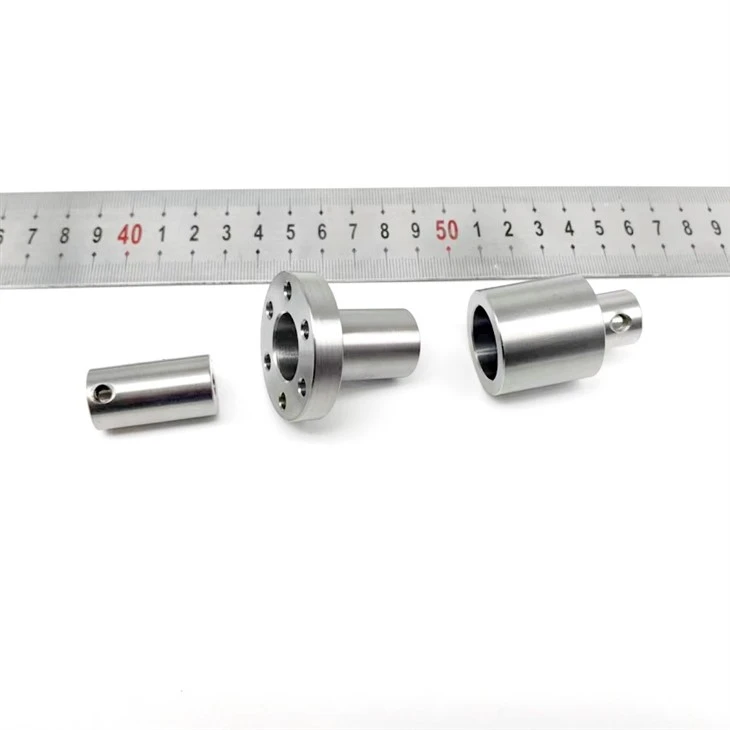
First off, let's talk a bit about what magnetic couplings are. They're used to transfer torque from one shaft to another without any physical contact. This is super useful in a bunch of applications, like pumps, mixers, and conveyors. There are different types of magnetic couplings out there, such as the Axial Magnetic Coupling, Permanent Neodymium Magnetic Drive Coupling, and Mag Drive Coupling. Each type has its own unique features, but they all work on the principle of magnetic fields to transfer power.
Now, let's dive into the heat generation mechanism. There are a few key factors that contribute to heat production in magnetic couplings.
Eddy Current Losses
One of the main culprits behind heat generation is eddy current losses. When the magnetic field in the coupling changes, it induces electric currents, known as eddy currents, in the conductive materials of the coupling. These eddy currents flow in closed loops within the material and encounter resistance. According to Joule's law (P = I²R, where P is power, I is current, and R is resistance), the power dissipated as heat is proportional to the square of the current and the resistance of the material.
The magnitude of eddy current losses depends on several factors. The strength of the magnetic field is a big one. A stronger magnetic field will induce larger eddy currents. Also, the frequency of the magnetic field changes matters. Higher frequencies lead to more rapid changes in the magnetic field, which in turn generate larger eddy currents. The conductivity of the material is another important factor. Materials with high conductivity, like copper and aluminum, are more prone to eddy current losses because they allow the eddy currents to flow more easily.
To reduce eddy current losses, we can use materials with lower conductivity or use laminated structures. Laminating the conductive parts of the coupling involves stacking thin layers of material separated by insulating layers. This disrupts the flow of eddy currents and reduces their magnitude, thereby minimizing heat generation.
Hysteresis Losses
Hysteresis losses also play a significant role in heat production. Hysteresis is the phenomenon where the magnetization of a ferromagnetic material lags behind the applied magnetic field. When the magnetic field in the coupling changes direction, the magnetic domains in the ferromagnetic material have to realign. This realignment process requires energy, and this energy is dissipated as heat.
The amount of hysteresis loss depends on the type of ferromagnetic material used. Different materials have different hysteresis loops, which represent the relationship between the magnetic field strength and the magnetization of the material. Materials with narrow hysteresis loops have lower hysteresis losses because less energy is required to realign the magnetic domains.
Friction and Mechanical Losses
Although magnetic couplings are designed to operate without physical contact between the driving and driven parts, there can still be some mechanical losses that contribute to heat generation. For example, there may be friction in the bearings that support the shafts. This friction converts mechanical energy into heat. Also, any misalignment between the shafts can cause additional stresses and vibrations, which can lead to increased mechanical losses and heat production.
Proper maintenance and alignment of the coupling and its associated components are crucial to minimize these mechanical losses. Using high - quality bearings with low friction coefficients can also help reduce heat generation due to mechanical losses.
Slip Losses
Slip is the difference in speed between the driving and driven parts of the magnetic coupling. When there is slip, the magnetic field has to work harder to transfer power from the driving side to the driven side. This extra work results in power losses, which are dissipated as heat.
The amount of slip depends on the load on the coupling. As the load increases, the slip also tends to increase. In some cases, if the load becomes too large, the coupling may experience excessive slip, which can lead to overheating and potentially damage the coupling. To prevent this, it's important to select a magnetic coupling with an appropriate torque rating for the application.
Impact of Heat on Magnetic Couplings
Excessive heat can have a negative impact on the performance and lifespan of magnetic couplings. High temperatures can cause the magnetic properties of the materials to degrade. For example, neodymium magnets, which are commonly used in magnetic couplings, can lose their magnetization at high temperatures. This can lead to a reduction in the torque - transmitting capacity of the coupling.
Heat can also cause thermal expansion of the materials in the coupling. This can change the clearances between the different parts of the coupling and may lead to misalignment or increased friction. Over time, the repeated thermal cycling can cause mechanical fatigue in the materials, which can eventually lead to component failure.
Cooling and Thermal Management
To deal with the heat generated in magnetic couplings, proper cooling and thermal management strategies are essential. One common approach is to use a cooling fluid, such as water or oil. The cooling fluid can be circulated through channels in the coupling to absorb the heat and carry it away. This helps maintain the temperature of the coupling within a safe operating range.
Another option is to use heat sinks. Heat sinks are devices with a large surface area that can dissipate heat into the surrounding environment. They are usually made of materials with high thermal conductivity, like aluminum. By attaching heat sinks to the coupling, we can increase the rate of heat transfer and reduce the temperature of the coupling.
Applications and Considerations
In different applications, the heat generation mechanism and its impact can vary. For example, in high - speed applications, the frequency of magnetic field changes is higher, which can lead to increased eddy current losses. In applications where the coupling is exposed to high ambient temperatures, the cooling requirements become even more critical.
When selecting a magnetic coupling for a specific application, it's important to consider the heat generation factors. You need to choose a coupling that can handle the expected heat load without experiencing performance degradation. Also, make sure to follow the manufacturer's recommendations for installation, operation, and maintenance to ensure optimal performance and longevity of the coupling.
Conclusion
So, there you have it - the heat generation mechanism in magnetic couplings. Eddy current losses, hysteresis losses, friction and mechanical losses, and slip losses all contribute to the production of heat. Understanding these factors is crucial for designing and using magnetic couplings effectively. By taking steps to reduce heat generation, such as using appropriate materials, minimizing slip, and implementing proper cooling strategies, we can ensure that magnetic couplings operate efficiently and have a long lifespan.
If you're in the market for a magnetic coupling and want to learn more about how to manage heat generation in your specific application, or if you have any other questions, don't hesitate to reach out. We're here to help you find the right magnetic coupling solution for your needs. Let's have a chat and see how we can work together to get you the best - performing magnetic coupling for your project.
References
- Grover, F. W. (1946). Inductance Calculations: Working Formulas and Tables. Dover Publications.
- Cullity, B. D., & Graham, C. D. (2008). Introduction to Magnetic Materials. Wiley.
- Chapman, S. J. (2012). Electric Machinery Fundamentals. McGraw - Hill.


