


Hey there! As a supplier of Flywheel Magnet Rotors, I often get asked about the noise levels associated with these nifty components. So, I thought I'd sit down and write this blog to share some insights with you all.
First off, let's understand what a flywheel magnet rotor is. It's a crucial part in many electrical and mechanical systems. It consists of a flywheel and a magnet rotor. The flywheel stores rotational energy, while the magnet rotor generates a magnetic field. This combination is used in a variety of applications, from small motors in household appliances to large industrial machinery.
Now, onto the main topic - noise levels. The noise produced by a flywheel magnet rotor can vary depending on several factors. One of the primary factors is the design of the rotor itself. A well - designed rotor with balanced magnets and a smooth surface is likely to produce less noise compared to a poorly designed one. When the magnets are not properly balanced, it can cause vibrations. These vibrations can then translate into audible noise.
Another factor is the speed at which the rotor spins. Generally, the faster the rotor spins, the more noise it will produce. This is because at higher speeds, the air resistance and the forces acting on the rotor increase. The air rushing around the spinning rotor creates a whistling or humming sound. Additionally, the mechanical stress on the components at high speeds can also lead to increased vibrations and noise.
The quality of the materials used in the construction of the flywheel magnet rotor also plays a significant role. High - quality materials, such as premium - grade magnets and strong, durable metals for the flywheel, tend to reduce noise. Inferior materials may not be able to withstand the forces during operation as well, leading to more wear and tear and, subsequently, more noise.
Let's talk about the different types of noise that a flywheel magnet rotor can produce. There's the aerodynamic noise, which I mentioned earlier. This is the sound created by the movement of air around the spinning rotor. It can range from a gentle hum to a loud whistling, depending on the speed and design.
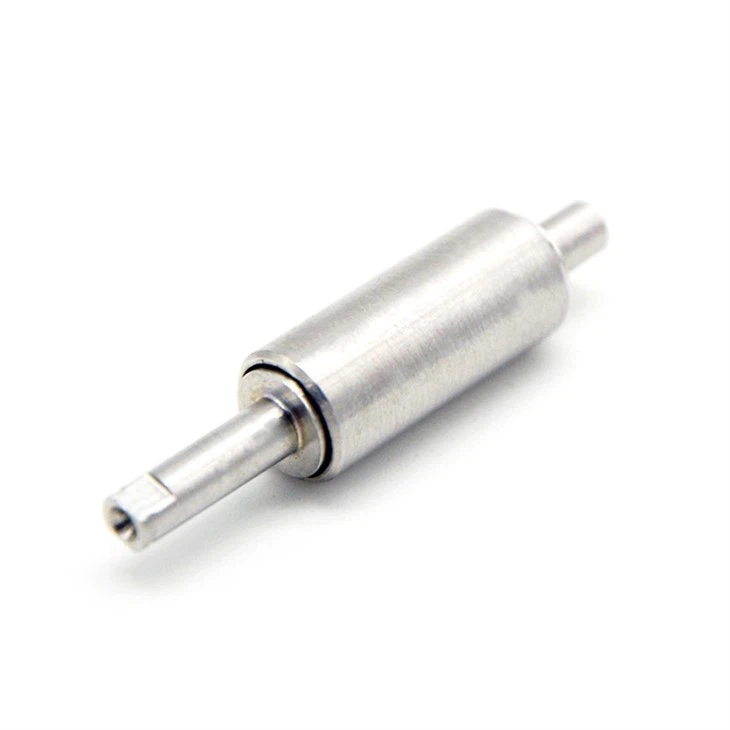

Then there's the mechanical noise. This can be caused by things like loose parts, misaligned components, or wear and tear on the bearings. For example, if the bearings are starting to wear out, they may produce a grinding or clicking sound. Loose magnets or a wobbly flywheel can also lead to rattling or thumping noises.
To reduce the noise levels of a flywheel magnet rotor, there are several strategies that can be employed. One common approach is to use noise - dampening materials. These materials can be placed around the rotor or incorporated into its design. They work by absorbing the vibrations and reducing the amount of noise that is transmitted.
Proper maintenance is also crucial. Regularly checking the rotor for loose parts, lubricating the bearings, and ensuring that all components are properly aligned can go a long way in reducing noise. If you notice any abnormal noise, it's important to address it promptly to prevent further damage.
Now, let me introduce you to some of the related products we offer. We have the Permanent Magnet Rotor Assembly, which is a high - performance option for various applications. It's designed to be efficient and reliable, and it can also help in reducing noise levels when used in the right setup.
Our Magnetic Shaft Rotor is another great choice. It's engineered to provide smooth operation and has been optimized to minimize noise. The design of the magnetic shaft rotor takes into account factors like balance and aerodynamics to ensure quiet performance.
For those in need of a rotor for AC motors, we have the AC Motor Magnetic Rotor. This rotor is specifically designed for AC motor applications and offers excellent performance with reduced noise.
If you're in the market for a flywheel magnet rotor or any of our related products, and you're concerned about noise levels, don't hesitate to reach out. We have a team of experts who can help you choose the right product for your specific needs and offer advice on how to keep the noise to a minimum. Whether you're a small business owner looking for a reliable rotor for your equipment or an engineer working on a large - scale project, we've got you covered.
In conclusion, understanding the noise levels associated with a flywheel magnet rotor is essential for ensuring smooth and quiet operation. By considering factors like design, speed, materials, and maintenance, you can effectively manage and reduce the noise. And if you're looking for high - quality rotors that are designed with noise reduction in mind, we're here to help. So, why not get in touch and start a conversation about your requirements? We're eager to assist you in finding the perfect solution for your needs.
References
- Engineering textbooks on electrical and mechanical systems
- Industry reports on magnetic rotor performance and noise reduction techniques


