

As a trusted supplier of Disc Magnetic Couplings, I understand the importance of proper storage to maintain the quality and performance of these crucial components. In this blog post, I will share some essential guidelines on how to store disc magnetic couplings properly, ensuring their longevity and reliability.
Understanding the Basics of Disc Magnetic Couplings
Before delving into storage methods, it's essential to have a basic understanding of disc magnetic couplings. These couplings use magnetic forces to transmit torque between two shafts without physical contact. They are widely used in various industries, including chemical, pharmaceutical, and food processing, due to their ability to provide a hermetic seal and eliminate the need for traditional shaft seals, which can leak and require maintenance.
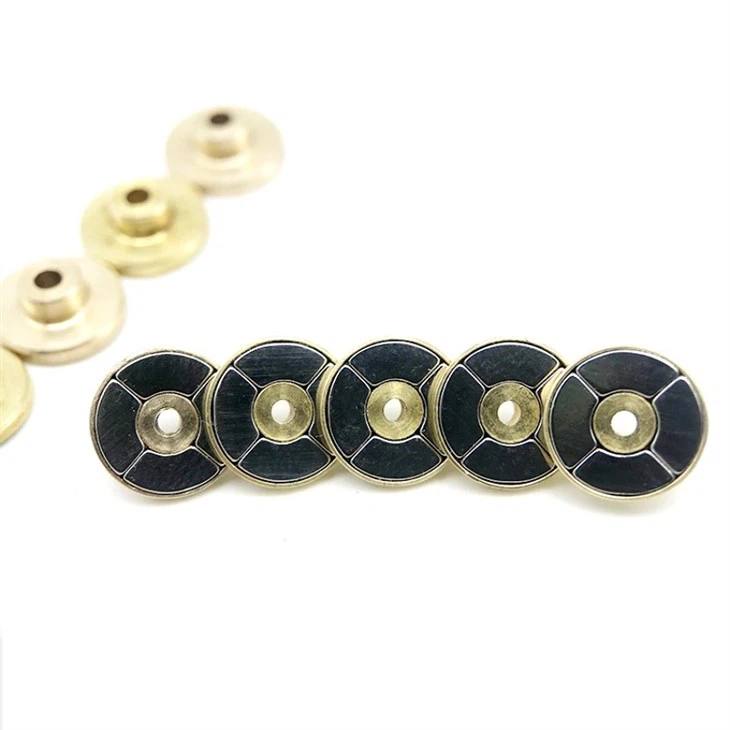
Disc magnetic couplings consist of two main components: a driving disc and a driven disc, each with a set of permanent magnets. The magnets on the driving disc create a magnetic field that interacts with the magnets on the driven disc, causing it to rotate. This non-contact design offers several advantages, such as reduced wear and tear, improved efficiency, and the ability to operate in harsh environments.
Factors Affecting the Storage of Disc Magnetic Couplings
Several factors can affect the storage of disc magnetic couplings, including temperature, humidity, and exposure to contaminants. Understanding these factors is crucial for implementing proper storage practices.
Temperature
Extreme temperatures can have a significant impact on the performance of disc magnetic couplings. High temperatures can cause the magnets to lose their magnetic properties, known as demagnetization, which can reduce the coupling's torque transmission capacity. On the other hand, low temperatures can make the materials more brittle, increasing the risk of damage during handling and installation.
It is recommended to store disc magnetic couplings in a temperature-controlled environment, ideally between 20°C and 30°C (68°F and 86°F). Avoid storing them in areas prone to extreme temperature fluctuations, such as near heaters, air conditioners, or direct sunlight.
Humidity
Humidity can also pose a threat to disc magnetic couplings. Moisture can cause corrosion on the metal components, which can weaken the coupling and reduce its lifespan. In addition, high humidity can promote the growth of mold and mildew, which can damage the magnets and other sensitive parts.
To prevent moisture damage, store disc magnetic couplings in a dry environment with a relative humidity below 60%. If the storage area is prone to high humidity, consider using a dehumidifier or desiccant packets to reduce the moisture level.
Contaminants
Exposure to contaminants, such as dust, dirt, and chemicals, can also affect the performance of disc magnetic couplings. These contaminants can accumulate on the magnets and other components, reducing the magnetic field strength and causing friction and wear.
To protect disc magnetic couplings from contaminants, store them in a clean and dust-free environment. Use sealed containers or bags to prevent dust and dirt from entering. Avoid storing them near sources of chemicals or other pollutants.
Proper Storage Practices for Disc Magnetic Couplings
Based on the factors mentioned above, here are some proper storage practices for disc magnetic couplings:
Clean the Couplings Before Storage
Before storing disc magnetic couplings, it is essential to clean them thoroughly to remove any dirt, debris, or contaminants. Use a mild detergent and a soft cloth to clean the surfaces of the couplings. Avoid using abrasive materials or harsh chemicals, as they can damage the magnets and other components.
Protect the Magnets
The magnets in disc magnetic couplings are the most critical components, and they need to be protected during storage. Avoid exposing the magnets to strong magnetic fields, as this can cause demagnetization. Keep the couplings away from other magnets or magnetic materials.
In addition, wrap the magnets with a protective material, such as foam or rubber, to prevent them from coming into contact with other objects and getting damaged. This will also help to reduce the risk of magnetic interference.
Store in a Suitable Container
Choose a suitable container for storing disc magnetic couplings. The container should be clean, dry, and sealed to prevent dust, dirt, and moisture from entering. You can use plastic bags, plastic containers, or metal boxes, depending on the size and quantity of the couplings.
Label the container with the type, size, and quantity of the couplings to make it easier to identify them later. This will also help to prevent mix-ups and ensure that you can find the right couplings when needed.
Store in a Vertical Position
To prevent the magnets from shifting or getting damaged, store disc magnetic couplings in a vertical position. This will help to maintain the alignment of the magnets and ensure that they do not come into contact with each other.
If you need to stack the couplings, use spacers or cushions between them to prevent them from rubbing against each other. This will also help to distribute the weight evenly and reduce the risk of damage.
Regularly Inspect the Couplings
Even if you store disc magnetic couplings properly, it is still important to regularly inspect them for any signs of damage or deterioration. Check the magnets for any cracks, chips, or signs of demagnetization. Inspect the metal components for any corrosion or wear.
If you notice any problems, take appropriate action immediately. This may include cleaning the couplings, replacing damaged components, or contacting the manufacturer for further assistance.
Conclusion
Proper storage of disc magnetic couplings is essential for maintaining their quality and performance. By understanding the factors that can affect their storage and implementing the proper storage practices, you can ensure that your couplings remain in good condition and are ready to use when needed.
As a supplier of [Disc Magnetic Couplings], I am committed to providing high-quality products and excellent customer service. If you have any questions or need further information about disc magnetic couplings or their storage, please do not hesitate to [contact me for procurement discussions]. I look forward to working with you to meet your magnetic coupling needs.
References
- "Magnetic Couplings: Principles, Design, and Applications" by John R. Melcher
- "Handbook of Magnetic Materials" edited by K. H. J. Buschow