


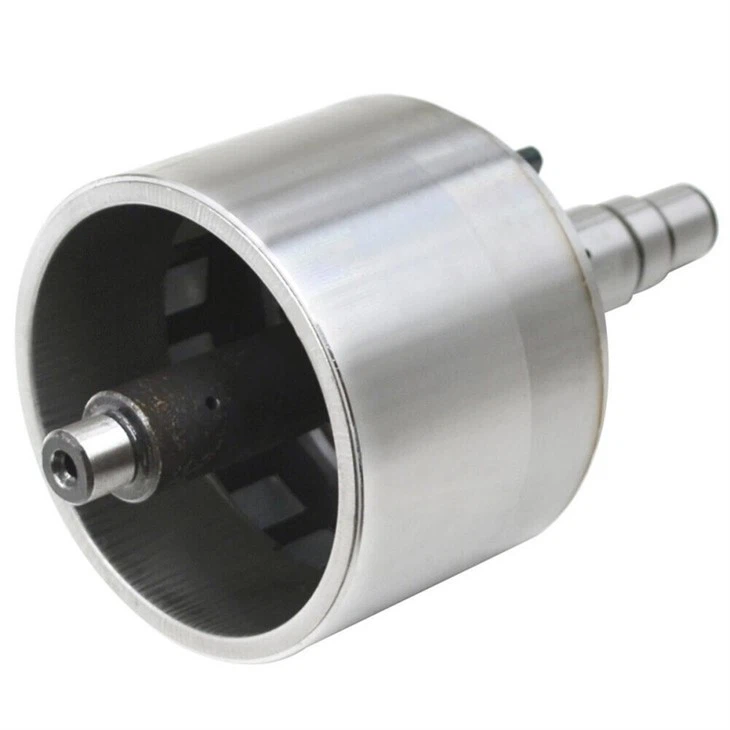
As a seasoned supplier of Magnetic Rotor Assemblies, I've witnessed firsthand the critical role these components play in various industries, from automotive to aerospace, and beyond. One of the most common challenges our clients face is dealing with excessive noise generated by magnetic rotor assemblies. In this blog post, I'll share some effective strategies to reduce this noise, drawing on our extensive experience and industry knowledge.
Understanding the Sources of Noise in Magnetic Rotor Assemblies
Before we dive into solutions, it's essential to understand the root causes of noise in magnetic rotor assemblies. Several factors can contribute to this issue:
- Electromagnetic Forces: The interaction between the magnetic fields in the rotor and stator can generate vibrations and noise. These forces can be particularly strong in high-speed or high-power applications.
- Mechanical Imbalances: Any imbalance in the rotor, such as uneven distribution of mass or misalignment, can cause vibrations that lead to noise. This is especially true in rotating machinery, where even small imbalances can have a significant impact.
- Friction and Wear: The contact between moving parts, such as bearings and shafts, can produce friction and wear, which in turn can generate noise. Over time, this wear can worsen, leading to increased noise levels.
- Resonance: When the natural frequency of the rotor assembly matches the frequency of the excitation forces, resonance can occur, resulting in amplified vibrations and noise.
Strategies to Reduce Noise in Magnetic Rotor Assemblies
Now that we understand the sources of noise, let's explore some practical strategies to minimize it:
1. Optimize Magnetic Design
- Proper Magnet Selection: Choosing the right type of magnet is crucial for reducing noise. Neodymium Magnet Rotor offer high magnetic strength and stability, which can help reduce electromagnetic vibrations. Additionally, magnets with low coercivity and high remanence can minimize magnetic losses and noise.
- Magnetic Shielding: Implementing magnetic shielding can help reduce the electromagnetic interference (EMI) and noise generated by the magnetic fields. Shielding materials, such as mu-metal or ferrite, can be used to surround the rotor assembly and block the magnetic fields from escaping.
- Magnetic Circuit Design: Optimizing the magnetic circuit design can also help reduce noise. By minimizing the air gap between the rotor and stator, and ensuring a uniform magnetic field distribution, we can reduce the electromagnetic forces and vibrations.
2. Improve Mechanical Balance
- Dynamic Balancing: Dynamic balancing is a critical process for reducing mechanical imbalances in the rotor assembly. By measuring the vibration levels and adding or removing weights at specific locations, we can achieve a more balanced rotor, which in turn can reduce noise.
- Precision Machining: Using precision machining techniques can ensure that the rotor components are manufactured to tight tolerances, reducing the likelihood of mechanical imbalances. This includes machining the shafts, bearings, and other components to the correct dimensions and surface finishes.
- Alignment: Proper alignment of the rotor and stator is essential for reducing noise. Misalignment can cause uneven loading on the bearings and other components, leading to increased vibrations and noise. Using alignment tools and techniques, such as laser alignment, can help ensure accurate alignment.
3. Minimize Friction and Wear
- Lubrication: Proper lubrication is essential for reducing friction and wear in the rotor assembly. Using high-quality lubricants, such as synthetic oils or greases, can help reduce friction and noise. Additionally, regular lubrication maintenance can ensure that the lubricant levels are maintained and that the lubricant is replaced when necessary.
- Bearing Selection: Choosing the right type of bearings is also crucial for reducing friction and noise. Magnetic Shaft Rotor with low-friction bearings, such as ball bearings or roller bearings, can help reduce noise. Additionally, using bearings with a high load capacity and low vibration levels can further minimize noise.
- Surface Treatments: Applying surface treatments, such as coatings or plating, can help reduce friction and wear on the rotor components. For example, a hard chrome plating can provide a smooth and wear-resistant surface, reducing friction and noise.
4. Avoid Resonance
- Frequency Analysis: Conducting a frequency analysis of the rotor assembly can help identify the natural frequencies and potential resonance points. By avoiding operating the rotor at these frequencies, or by modifying the design to change the natural frequencies, we can prevent resonance and reduce noise.
- Damping: Adding damping materials or devices to the rotor assembly can help absorb the vibrations and reduce resonance. For example, using rubber mounts or damping pads can help isolate the rotor from the surrounding structure, reducing the transmission of vibrations and noise.
Case Studies
To illustrate the effectiveness of these strategies, let's look at some real-world case studies:
Case Study 1: Automotive Electric Motor
A leading automotive manufacturer was experiencing excessive noise in their electric motors, which was affecting the overall performance and customer satisfaction. After conducting a detailed analysis, we identified that the noise was primarily caused by electromagnetic vibrations and mechanical imbalances in the rotor assembly.
To address these issues, we optimized the magnetic design by using Neodymium Magnet Rotor and improving the magnetic circuit design. We also performed dynamic balancing on the rotor to reduce mechanical imbalances. Additionally, we implemented a lubrication system to minimize friction and wear.
As a result of these improvements, the noise levels in the electric motors were significantly reduced, and the overall performance and reliability were improved. The automotive manufacturer was able to meet their noise reduction targets and enhance the customer experience.
Case Study 2: Aerospace Actuator
An aerospace company was facing noise issues in their actuators, which were critical for the operation of their aircraft. The noise was caused by a combination of electromagnetic forces, mechanical imbalances, and resonance.
To solve this problem, we optimized the magnetic design by using magnetic shielding and improving the magnetic circuit design. We also performed precision machining and alignment to reduce mechanical imbalances. Additionally, we added damping materials to the actuator to avoid resonance.
After implementing these solutions, the noise levels in the actuators were reduced to an acceptable level, and the aerospace company was able to meet their strict noise requirements. The improved performance and reliability of the actuators also helped to enhance the safety and efficiency of the aircraft.
Conclusion
Reducing the noise of a magnetic rotor assembly is a complex but achievable goal. By understanding the sources of noise and implementing the strategies outlined in this blog post, we can significantly reduce the noise levels and improve the performance and reliability of the rotor assembly.
As a Magnetic Rotor Assembly supplier, we are committed to providing our customers with high-quality products and solutions that meet their specific needs. If you're facing noise issues with your magnetic rotor assemblies, or if you're looking for ways to improve their performance, we'd love to hear from you. Contact us today to discuss your requirements and explore how we can help you reduce noise and achieve your goals.

References
- "Magnetic Materials and Their Applications" by E. C. Stoner and E. P. Wohlfarth
- "Mechanical Vibrations" by S. S. Rao
- "Electromagnetic Compatibility Engineering" by Henry W. Ott


