


Hey there! As a supplier of Neodymium Disc Magnets, I've seen firsthand how these little powerhouses are used in all sorts of cool applications, from high - tech gadgets to industrial machinery. But here's the thing: like all good things, neodymium disc magnets reach the end of their useful life at some point. And that's where recycling comes in. In this blog, I'm gonna share some tips on how to recycle neodymium disc magnets.
First off, why bother recycling? Well, neodymium is a rare - earth element. Mining these elements is not only costly but also has a significant environmental impact. It involves a lot of energy, water, and can lead to soil and water pollution. By recycling neodymium disc magnets, we can reduce the need for new mining, save energy, and cut down on environmental damage.
Step 1: Collection
The first step in recycling neodymium disc magnets is collecting them. If you're an industrial user, chances are you'll have a stockpile of used or damaged magnets. You can set up a dedicated collection area where employees can deposit old magnets. For consumers, it might be a bit trickier. You could encourage people to drop off their old electronics that contain neodymium disc magnets at a local recycling center or a collection point set up by your company.
It's important to handle these magnets with care during collection. Neodymium magnets are extremely strong, and if two magnets come too close to each other, they can snap together with great force, which can cause injuries or damage to the magnets themselves. You might want to use non - magnetic tools and keep the magnets separated during collection.
Step 2: Sorting
Once you've collected the neodymium disc magnets, the next step is sorting. Not all magnets are created equal, and different types of neodymium magnets may have different compositions. You'll need to separate the disc magnets from other shapes of neodymium magnets, like Neodymium Countersunk Magnet, Neodymium Arc Magnets, and Neodymium Block Magnet.
You also need to check for any signs of damage or contamination. Magnets that are cracked, chipped, or have been exposed to chemicals may require different recycling processes. For example, a magnet that has been corroded might need to have the corroded layer removed before further processing.
Step 3: Demagnetization
Neodymium disc magnets are very strong, and they need to be demagnetized before recycling. Demagnetization can be done in a few ways. One common method is to heat the magnets above their Curie temperature. The Curie temperature is the temperature at which a magnet loses its magnetic properties. For neodymium magnets, this temperature is usually around 310 - 400°C.
However, heating the magnets can be a bit tricky. You need to control the temperature carefully to avoid damaging the magnets or causing them to release harmful fumes. Another method is to use an alternating magnetic field. This field can disrupt the magnetic domains in the magnet, gradually reducing its magnetization.
Step 4: Separation of Components
After demagnetization, the next step is to separate the different components of the neodymium disc magnets. Neodymium magnets are typically made up of neodymium, iron, boron, and sometimes other elements like dysprosium or praseodymium.
One way to separate these components is through a chemical process. The magnets are dissolved in an acid solution, which breaks down the magnet into its individual elements. Then, through a series of chemical reactions and purification steps, the different elements can be separated and recovered.

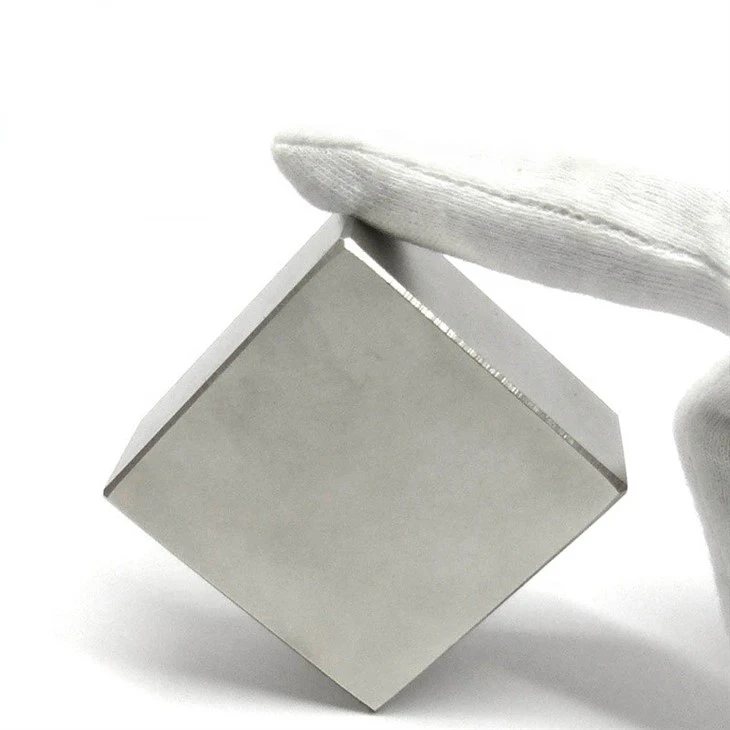
Another method is through physical separation. This can involve crushing the magnets into small pieces and then using techniques like magnetic separation or density separation to separate the different elements based on their physical properties.
Step 5: Purification and Re - processing
Once the different components have been separated, they need to be purified. The purification process removes any impurities or contaminants that may have been introduced during the recycling process. This can involve processes like filtration, distillation, or precipitation.
After purification, the recovered neodymium and other elements can be re - processed into new magnets. The re - processing usually involves melting the elements together in a furnace and then using a process called sintering to form new magnets. Sintering involves heating the mixture to a high temperature under pressure, which causes the particles to bond together and form a solid magnet.
Challenges in Recycling Neodymium Disc Magnets
Recycling neodymium disc magnets is not without its challenges. One of the biggest challenges is the complexity of the recycling process. As I mentioned earlier, the separation and purification of the different elements in the magnets require specialized equipment and expertise.
Another challenge is the cost. The recycling process can be expensive, especially when it comes to the energy required for heating and melting the magnets. This cost can sometimes make recycled neodymium magnets more expensive than newly mined ones.
There's also the issue of collection. It can be difficult to collect a large enough quantity of used neodymium disc magnets to make the recycling process economically viable. Many consumers may not be aware of the importance of recycling these magnets, or they may not know where to drop them off.
Our Role as a Supplier
As a supplier of neodymium disc magnets, we have a responsibility to promote recycling. We can educate our customers about the importance of recycling and provide them with information on how to recycle their old magnets.
We can also work with recycling facilities to improve the recycling process. By investing in research and development, we can find more efficient and cost - effective ways to recycle neodymium disc magnets.
And of course, we can offer incentives to our customers to recycle. For example, we could offer a discount on new magnets when customers return their old ones for recycling.
Contact for Procurement
If you're interested in purchasing high - quality neodymium disc magnets, we're here to help. We have a wide range of products to meet your needs, whether you're in the electronics industry, the automotive industry, or any other field that requires strong and reliable magnets. Reach out to us for more information and to start a procurement discussion.
References
- "Recycling of Rare - Earth Magnets: A Review" by various authors in a leading materials science journal.
- Industry reports on rare - earth element recycling and the neodymium magnet market.


